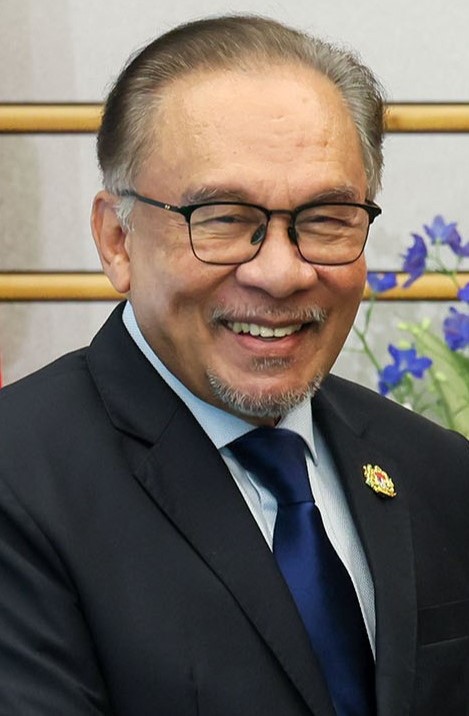
Prime Minister Anwar Ibrahim unveiled plans to substantially increase government support for grassroots community safety initiatives nationwide, announcing during a visit to Segamat that annual grants distributed to Neighbourhood Watch Areas (KRT) will rise to RM10,000 from their current allocation of RM6,000. The enhanced funding stream represents a 67 percent boost to resources available for community-led security efforts at the neighbourhood level, with the new grant structure taking effect from January 1, 2027.
The policy adjustment reflects growing recognition within the federal government of the critical role played by volunteer-based security networks in maintaining public safety across residential areas. KRTs, which function as community organisations responsible for monitoring and responding to security concerns at the neighbourhood level, have become increasingly important across both urban and rural Malaysian communities. By increasing the annual allocation, the government is signalling its commitment to empowering these grassroots organisations with greater financial capacity to carry out their mandate effectively.
The timing of the announcement carries particular significance for local governance and community engagement strategies. With Malaysia's demographic patterns showing increasing urbanisation in certain regions and sustained growth in suburban communities, the availability of enhanced funding could enable KRTs to invest in improved surveillance infrastructure, better communication systems among watch members, and expanded community awareness programmes. The RM4,000 annual increase per area may appear modest in absolute terms, yet aggregated across the hundreds of KRTs operating nationwide, the total budgetary commitment represents a meaningful reinvestment in decentralised security architecture.
For residents in residential areas where KRTs operate effectively, this funding boost presents an opportunity to strengthen existing initiatives or launch new ones. Many KRTs have traditionally operated on limited budgets, constraining their ability to purchase equipment, conduct training sessions for volunteer members, or facilitate regular community meetings and briefing sessions. The expanded allocation could enable greater professionalisation of neighbourhood watch operations, including investment in communication gadgets, basic surveillance technology, and resources for coordination with local police forces.
The implementation date of January 2027 provides a reasonable implementation window for administrative systems to be adapted to accommodate the new funding levels. Government agencies responsible for disbursing these grants will need to update their financial protocols and ensure that KRTs nationwide receive clear guidance on the enhanced allocation structures. This advance notice also allows KRTs to begin planning how they will utilise the additional funds, whether through infrastructure improvements, member training programmes, or enhanced community outreach activities.
From a broader policy perspective, the funding increase demonstrates the government's willingness to invest in community-based approaches to public safety rather than relying solely on conventional law enforcement mechanisms. KRTs have proven effective in many Malaysian communities at building social cohesion while simultaneously addressing security concerns through cooperative neighbourhood surveillance and community awareness efforts. By expanding financial resources, the government is essentially endorsing this decentralised model of community policing and neighbourhood security management.
The announcement also carries implications for urban governance at the local council and municipal levels. Enhanced KRT funding could facilitate better coordination between neighbourhood groups and local authority safety initiatives, creating more integrated approaches to managing security challenges at the community level. Municipal councils overseeing areas with active KRTs may find increased collaboration opportunities with better-resourced neighbourhood organisations, potentially leading to more coordinated responses to crime prevention and community safety concerns.
For Southeast Asian observers, Malaysia's investment in grassroots neighbourhood watch initiatives reflects broader regional trends in community-led security and social cohesion initiatives. Several neighbouring countries have similarly recognised that informal community security networks, when properly resourced and coordinated with formal law enforcement, can significantly enhance residents' sense of safety and foster stronger community bonds. The Malaysian approach of providing direct financial support to KRTs provides a model worthy of attention from regional policymakers seeking effective yet cost-efficient community security strategies.
The RM10,000 annual grant structure also acknowledges the volunteer nature of KRT participation. Members typically receive no direct compensation for their security monitoring and coordination efforts, relying instead on community spirit and civic responsibility. By increasing funding available to KRT organisations themselves, the government is indirectly supporting volunteer activities by enabling the purchase of resources and materials that make volunteer work more feasible and effective. This could help sustain volunteer participation levels in KRTs, which might otherwise face retention challenges if operational constraints become too burdensome.
Looking forward, the success of this funding initiative will likely depend on how effectively KRTs utilise the expanded resources and whether local communities perceive tangible improvements in neighbourhood security outcomes. If the enhanced grants prove successful in strengthening KRT operations and community safety perceptions, the government may consider further expansions to this funding commitment in subsequent budget cycles. Conversely, monitoring and evaluation of outcomes will be essential to ensuring that increased investment translates into genuine improvements in community security and residents' confidence in their neighbourhood watch organisations.