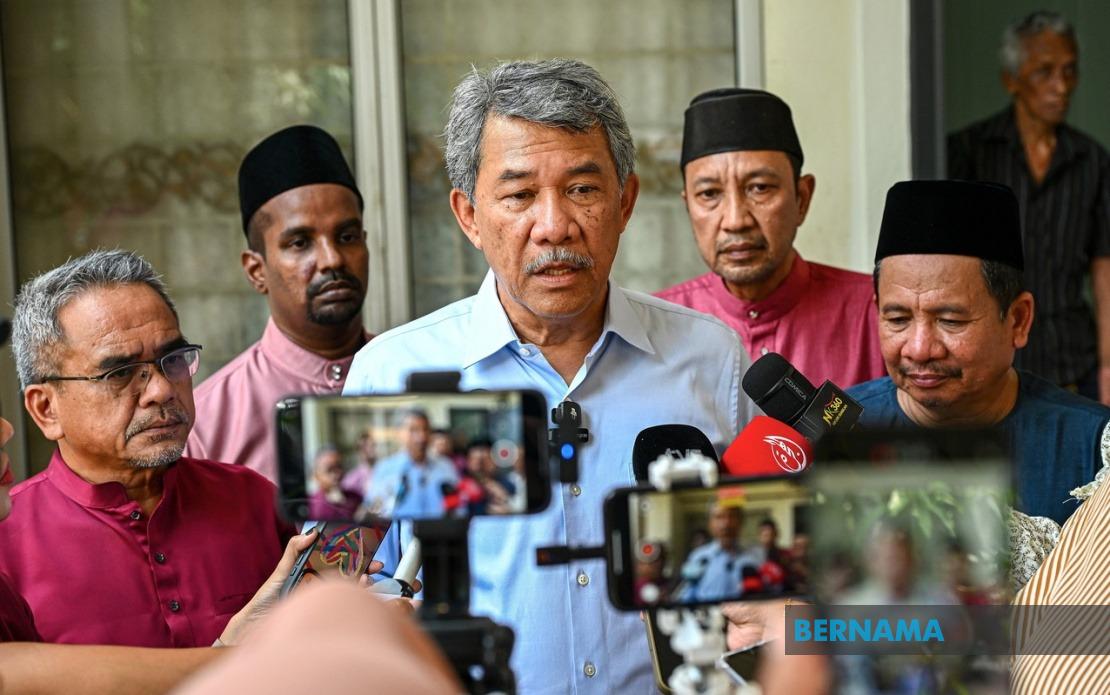
Malaysia will not expedite the return of Myanmar refugees to their homeland without first establishing that conditions are safe enough for them to reintegrate, Foreign Minister Datuk Seri Mohamad Hasan has declared. Speaking in Seremban after attending a Ziarah Kasih programme, he stressed that protecting the welfare and physical security of displaced persons must take precedence over administrative convenience or political pressure to clear the country of refugee populations.
The partnership between the United Nations High Commissioner for Refugees and Malaysia's Home Ministry will be fundamental to this approach, Mohamad Hasan explained. These agencies must jointly assess each individual's background and circumstances before approving their return, while simultaneously evaluating the security landscape in Myanmar to determine whether returnees face persecution, arbitrary detention, or other threats to their lives. This dual verification process represents a more methodical alternative to blanket repatriation schemes that lack individual case review.
Malaysia's Foreign Ministry has already begun coordinating with the Myanmar government through its embassy in Kuala Lumpur to arrange phased returns rather than a single mass movement. The minister has instructed the Secretary-General of the Foreign Affairs Ministry to manage these negotiations, establishing a timeline that prioritises gradual deportation over speed. This diplomatic engagement acknowledges that repatriation must be negotiated bilaterally and cannot be unilaterally imposed without the receiving nation's cooperation and assurances about absorbing returnees safely.
Recent international media reports had suggested that Myanmar's military-aligned government was prepared to accept 5,000 of its nationals currently residing in Malaysia through ship-based transport. However, Mohamad Hasan indicated that Malaysia rejects this compressed timeline and volume-based approach. Instead, the country plans to send back only those whose legal status as Myanmar nationals has been independently confirmed and whose individual cases present no red flags regarding potential danger upon return. The phased method allows authorities to monitor each batch's safe arrival and integration before proceeding with subsequent groups.
The minister highlighted that approximately 1,000 individuals have already been identified and prepared for repatriation, suggesting that this verified cohort could depart immediately without waiting for the full 5,000 figure to accumulate. By proceeding incrementally, Malaysia demonstrates a commitment to orderly processes that respect international humanitarian standards while still facilitating the eventual return of those whose residency is deemed irregular. This stance differentiates Malaysia's approach from countries facing pressure to conduct rapid deportations that prioritise clearing refugee camps over individual protections.
Within the broader ASEAN framework, Mohamad Hasan reiterated that member states view Myanmar's internal displacement crisis as a collective regional concern demanding unified solutions. The bloc's attention to refugee movements reflects anxieties about prolonged instability in Myanmar creating ongoing humanitarian burdens for neighbours, particularly Thailand and Malaysia, which have absorbed the largest populations. Coordination among ASEAN capitals allows for burden-sharing arrangements and negotiated diplomatic pressure on the Myanmar government to facilitate safe returns.
Crucially, the Foreign Minister stressed that ASEAN's Five-Point Consensus must remain the guiding framework for all regional interventions regarding Myanmar's crisis. This mechanism, established to promote dialogue and gradual democratisation, prioritises de-escalation and political settlement over external military intervention or economic sanctions that might worsen instability. By anchoring refugee policy within the Five-Point Consensus, Malaysia signals that repatriation efforts are not separate humanitarian acts but integral components of broader ASEAN strategy to resolve Myanmar's underlying political dysfunction.
The security assessment component of Malaysia's approach addresses a fundamental tension: many Myanmar nationals in Malaysia fled the 2021 military coup and its subsequent crackdowns on dissent. Verification processes must distinguish between economic migrants and political refugees, ensuring that those who face credible threats of persecution are not forcibly returned to dangerous situations. UNHCR's involvement provides international legitimacy and technical expertise for making such determinations according to the 1951 Refugee Convention, which Malaysia has not signed but whose principles inform its humanitarian considerations.
Practically, the staged repatriation approach also allows Myanmar's government time to establish reception and processing infrastructure for returnees. Sending large numbers simultaneously could overwhelm local administrative capacity, potentially causing chaos that endangers the very people Malaysia seeks to protect. Graduated returns enable officials in Yangon and other regions to prepare housing, employment verification, and security screening for incoming populations, improving the likelihood that returnees can resettle successfully rather than facing homelessness or renewed instability.
For Malaysia itself, this measured strategy reflects a delicate political balance. Public sentiment regarding refugee populations is mixed, with concerns about job competition and security coexisting with humanitarian sympathies. By demonstrating that repatriation is happening—just carefully and responsibly—the government can address public frustrations about refugee presence without sacrificing its regional reputation for upholding international humanitarian norms. This calculus is particularly important given Malaysia's own experience with displacement during the Rohingya crisis and its stated commitment to supporting ASEAN neighbours during regional emergencies.
The implications for Myanmar are equally significant. A repatriation process that prioritises safety sends a message to the military junta that Malaysia will not become a tool for rapidly emptying refugee camps without accountability. This creates incentive for Myanmar's government to improve conditions domestically to facilitate voluntary returns, rather than relying on coercive international deportations. The emphasis on verification and staged movement essentially conditions Myanmar's access to its overseas nationals on demonstrable improvements in rule of law and security sector restraint.
Looking ahead, this policy position will likely shape discussions within ASEAN and with international humanitarian organisations about managing ongoing displacement from Myanmar. As the crisis continues, neighbouring states must balance compassion with fiscal constraints and public opinion. Malaysia's framework—prioritising safety through verification, phasing returns, and maintaining diplomatic channels—offers a model for how regional nations can facilitate eventual repatriation without compromising the fundamental principle that human welfare must precede administrative efficiency.

