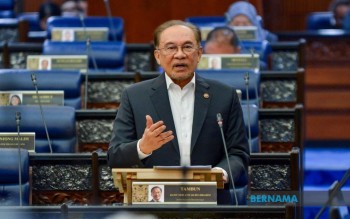
Malaysia's government will conduct a comprehensive assessment of establishing a national petroleum reserve, a strategic initiative aimed at protecting the country's energy stability as geopolitical tensions and international supply chain volatility intensify. Prime Minister Datuk Seri Anwar Ibrahim announced the decision following the National Energy Council Meeting No. 1 2026, which he chaired in Kuala Lumpur. The move reflects growing recognition that despite Malaysia's substantial hydrocarbon resources, maintaining strategic reserves is essential for navigating an unpredictable global energy landscape where sudden disruptions or geopolitical crises could jeopardise supply chains and domestic energy availability.
The petroleum reserve initiative must be understood within the broader context of Malaysia's energy transition strategy. The government is simultaneously pursuing an ambitious renewable energy expansion programme, with renewable capacity reaching 31 per cent of installed generating capacity as of December 2025. This parallel approach—strengthening both conventional energy security through reserves while accelerating the shift toward cleaner sources—reflects pragmatic policymaking that acknowledges the decades-long timeframe required to fully transition away from fossil fuels. Rather than viewing petroleum reserves and renewable energy expansion as contradictory, the government frames them as complementary components of a comprehensive energy resilience framework.
The Corporate Renewable Energy Supply Scheme (CRESS) has emerged as a cornerstone of Malaysia's clean energy transition, with recent installations of Battery Energy Storage System (BESS) technology significantly enhancing grid stability and reliability. Battery storage systems address a fundamental challenge in renewable energy adoption: the intermittency problem whereby solar and wind power generation fluctuates with weather conditions. By equipping CRESS with BESS infrastructure, Malaysia is moving beyond mere renewable capacity installation toward building a genuinely flexible and responsive electricity system capable of maintaining supply security even as fossil fuel dependence diminishes.
Transportation electrification represents another critical frontier in Malaysia's energy transition agenda. The government has committed substantial resources to rolling out electric public transport infrastructure nationwide, with 250 electric buses already operational and approximately 800 kilometres of rail network electrified across the country. These investments directly reduce petroleum demand in a sector historically dependent on diesel and petrol, creating measurable progress toward lower energy intensity and reduced carbon emissions. This expansion of electric transport infrastructure is particularly significant for urban centres where transport-related emissions substantially contribute to air quality degradation and energy consumption.
Biofuel development constitutes a third pillar of Malaysia's diversified energy strategy. The ongoing implementation of B15 biodiesel blending—a fuel mixture containing 15 per cent biodiesel from renewable sources mixed with conventional diesel—demonstrates commitment to sustainable alternative fuels without requiring complete vehicle fleet replacement. The planned Petronas biofuel hub in Pengerang, Johor, will position Malaysia as a significant regional producer of sustainable aviation fuels and other advanced biofuel products, leveraging the country's substantial palm oil sector while creating employment and export revenue opportunities. This initiative illustrates how Malaysia can align environmental objectives with economic development across multiple sectors.
Hydrogen energy represents an emerging frontier with particular relevance for Sarawak's economic development trajectory. Phase 1 of the hydrogen hub designed for the Autonomous Rapid Transit (ART) system in Sarawak is scheduled for completion by year-end 2026, marking Malaysia's entry into hydrogen technology infrastructure development at scale. Hydrogen offers particular advantages for heavy transport and industrial applications where electrification proves technically challenging or economically unfeasible. By establishing hydrogen demonstration projects, Malaysia positions itself ahead of many regional peers in developing expertise and infrastructure for what energy analysts increasingly view as essential for achieving net-zero emissions targets in hard-to-decarbonise sectors.
The interconnected nature of these energy initiatives reflects sophisticated strategic planning that recognises energy transition cannot occur uniformly across all sectors simultaneously. Heavy industry, aviation, shipping, and long-distance transport cannot simply switch to electricity given current battery technology constraints. Consequently, Malaysia's approach encompasses conventional fossil fuel security through reserves, renewable expansion, battery storage, biofuel development, and hydrogen infrastructure development. This portfolio approach substantially reduces the risk of energy policy failure by preventing over-reliance on any single technology or fuel source.
From a regional perspective, Malaysia's energy security preparations carry implications for Southeast Asian energy markets and stability. As a major energy producer and exporter, Malaysia's capacity to maintain reliable domestic supplies while exporting energy products contributes to regional energy balance. Neighbouring countries including Singapore, Thailand, and the Philippines depend partly on energy imports and regional supply networks, making Malaysian energy security relevant to broader Southeast Asian energy resilience. Disruptions to Malaysian supply would cascade across regional markets, creating price volatility and potential shortages affecting manufacturing competitiveness and development trajectories across the region.
The government's decision to study petroleum reserve creation also reflects lessons learned from recent global supply chain disruptions and the 2022 energy crisis triggered by geopolitical tensions. During that period, nations without adequate strategic reserves experienced acute energy price inflation and supply uncertainty that constrained economic growth. Malaysia's relatively stronger energy position—derived from domestic hydrocarbon production and growing renewable capacity—has proven advantageous, but complacency poses genuine risks. Strategic reserves function as insurance against unforeseen disruptions, providing buffers during crisis periods when normal market mechanisms may fail or supply routes become disrupted.
Implementing a national petroleum reserve will require significant capital investment, careful planning regarding storage infrastructure location and capacity, and clear governance frameworks defining reserve drawdown policies and strategic objectives. International experience from countries maintaining strategic petroleum reserves—including the United States, Japan, and South Korea—provides valuable precedents and lessons regarding optimal reserve volumes (typically measured as days or months of national consumption), storage technology selection, and coordination with international energy markets during shortage periods. Malaysia's emerging reserve strategy will likely draw on these international experiences while adapting approaches to local geographic, economic, and geopolitical circumstances.
The broader significance of these interconnected energy initiatives extends beyond technical energy sector considerations into macroeconomic competitiveness and long-term developmental prospects. Countries successfully navigating energy transitions while maintaining security and affordability will outcompete those experiencing energy disruptions, supply uncertainties, or excessive energy costs. Malaysia's multifaceted approach—combining security through reserves, clean energy expansion, advanced storage systems, sustainable biofuels, and emerging hydrogen infrastructure—demonstrates recognition that sustained economic growth and development depend fundamentally on reliable, affordable, and increasingly sustainable energy supply. The government's willingness to examine all available policy options, including petroleum reserves alongside aggressive renewable expansion, suggests sophisticated policymaking that rejects ideological constraints in favour of pragmatic solutions serving Malaysia's long-term national interests.

