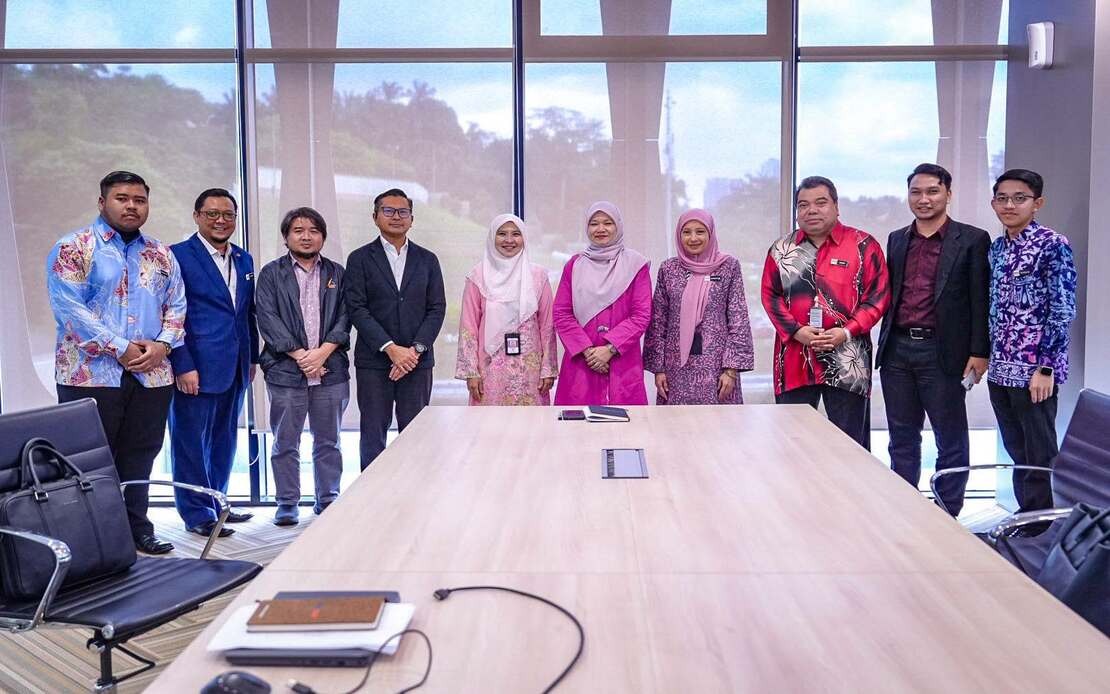
Education Minister Fadhlina Sidek has announced plans to implement nationwide advocacy initiatives focused on three critical pieces of child protection legislation: the Child Act 2001, the Anti-Bullying Act 2026, and the Sexual Offences Against Children Act 2017. The decision emerged from a high-level meeting with representatives from the Human Rights Commission of Malaysia (SUHAKAM), signalling renewed commitment to embedding legal awareness within Malaysia's education system.
The meeting, which included Children's Commissioner Dr Farah Nini Dusuki and Dr Mohd Al Adib Samuri from SUHAKAM, reflected growing recognition that schools must serve as frontline institutions for educating both students and educators about their rights and responsibilities under these laws. The collaborative approach between the Education Ministry and the independent human rights body underscores the government's intent to address longstanding concerns about child safety in educational environments through legislative knowledge and institutional reform.
Bullying and sexual harassment emerged as central concerns during the discussions, with both parties acknowledging the pressing need for targeted interventions. These issues have increasingly dominated Malaysia's educational discourse, with reports of student-on-student violence, cyberbullying, and inappropriate conduct creating heightened anxiety among parents and educators. By explicitly addressing these phenomena through statutory frameworks, the advocacy programmes aim to transform abstract legal concepts into tangible school policies and disciplinary procedures that students and staff can readily understand and apply.
The Anti-Bullying Act 2026, which represents Malaysia's most comprehensive legislative response to peer violence and harassment, will form a cornerstone of these awareness campaigns. Unlike earlier informal anti-bullying guidelines, this statute provides legal definitions, establishes clearer reporting mechanisms, and delineates consequences for perpetrators. Educational institutions will need to familiarize both administrators and students with these provisions, ensuring that bullying—whether physical, verbal, or digital—is consistently identified and addressed through appropriate channels rather than dismissed as ordinary childhood conflict.
Parallel emphasis on the Sexual Offences Against Children Act 2017 reflects heightened vigilance regarding predatory behaviour in schools. This legislation criminalizes a broad spectrum of conduct, from grooming to exploitation, and extends protection beyond traditional abuse categories. Teachers and school counsellors require thorough understanding of reporting obligations and investigative procedures, while students need age-appropriate education about consent, bodily autonomy, and support resources. The advocacy initiative thus addresses a knowledge gap that has historically hampered institutional responses to sexual misconduct.
The foundational Child Act 2001, meanwhile, establishes children's fundamental rights and sets out state obligations for their protection and development. An integrated advocacy approach incorporating all three statutes creates a comprehensive legal framework that schools can operationalize through training programmes, curriculum integration, and policy development. Rather than treating these laws as separate initiatives, the Education Ministry's approach recognizes their interconnectedness in creating protective environments.
Fadhlina's emphasis on strengthening collaboration between the Education Ministry and SUHAKAM suggests recognition that external scrutiny and expertise enhance institutional accountability. SUHAKAM's independence and investigative mandate position it as a valuable partner for ensuring that schools implement these laws meaningfully rather than superficially. Regular consultation between the two bodies can identify implementation gaps, monitor compliance, and recommend policy adjustments based on evidence of what works in Malaysian contexts.
The Minister's public commitment that child rights and welfare will remain a priority without compromise carries significance in a regional context where education systems sometimes balance child protection against other institutional interests. By framing these programmes as non-negotiable government policy rather than optional enhancement, Fadhlina signals that the Education Ministry will prioritize safeguarding even when doing so requires organizational change or resource allocation.
Implementing these advocacy programmes across Malaysia's diverse education sector presents considerable practical challenges. Rural and urban schools operate with varying resource constraints, teacher capacity differs substantially, and student populations span vastly different developmental stages and linguistic backgrounds. Effective rollout will require tailored implementation strategies, comprehensive teacher training, and culturally sensitive messaging that resonates across Malaysia's multicultural society. The programmes must avoid tokenistic compliance, ensuring instead that legislative knowledge translates into genuine behavioural and institutional change.
For parents and students, these initiatives offer concrete pathways for understanding their rights and reporting mechanisms. Awareness of the Anti-Bullying Act 2026 empowers students to formally document incidents rather than suffering in silence, while knowledge of sexual offence legislation helps young people recognize predatory behaviour and access protection. Teachers equipped with legislative awareness become more alert to warning signs and more confident in intervention, creating cumulative protective effects throughout school environments.
The timing of this announcement reflects Malaysia's broader push toward stronger child safeguarding frameworks. International pressure from bodies monitoring treaty compliance, combined with domestic advocacy from civil society and SUHAKAM, has elevated child protection on the policy agenda. Other Southeast Asian nations implementing similar legislative awareness programmes offer comparative lessons: successful initiatives combine formal training with ongoing school-level support, integrate legal concepts into existing curricula, and establish clear pathways for reporting and response.
Regional observers will watch how thoroughly the Education Ministry implements these programmes and whether measurable improvements in school safety follow. The announcement itself represents meaningful progress, but sustained institutional commitment, adequate funding, and teacher engagement will ultimately determine whether legislative awareness translates into transformed school cultures where children's rights become lived reality rather than theoretical entitlements.

