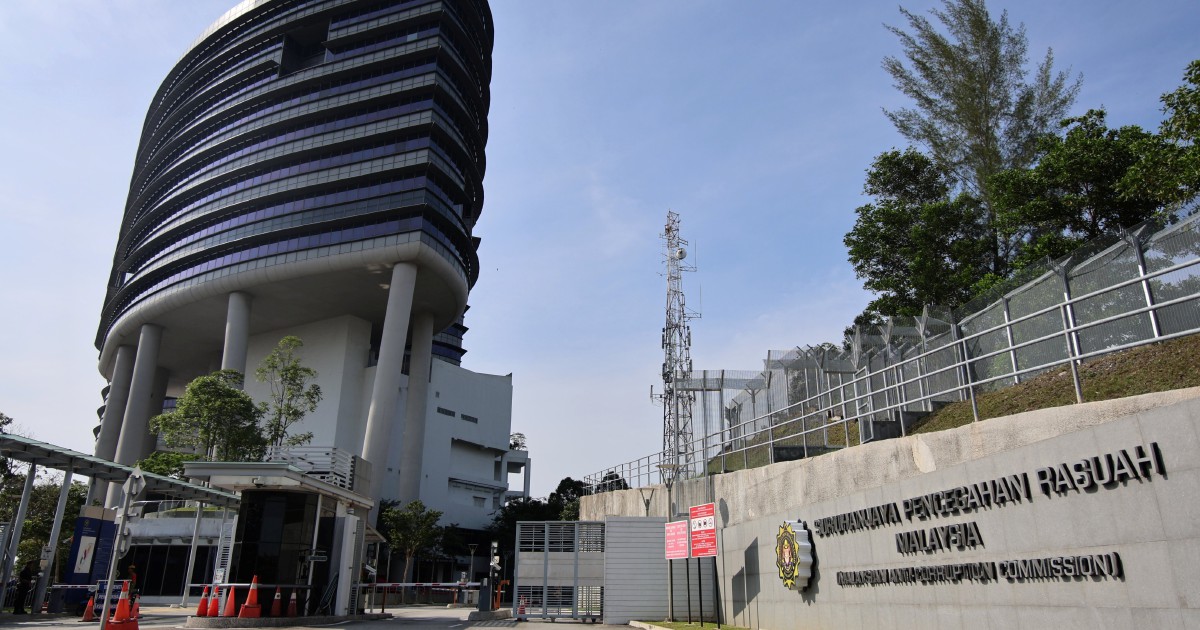
Malaysia is positioning itself as a champion of regional anti-corruption efforts as the Malaysian Anti-Corruption Commission prepares to convene the 22nd ASEAN Parties Against Corruption (ASEAN-PAC) Secretariat Meeting from July 28 to 30 in Melaka. The gathering represents a significant moment for Southeast Asia's coordinated response to one of the continent's most persistent governance challenges, with delegates from across the region expected to converge on the historic state to discuss strategic cooperation mechanisms and enforcement priorities.
The ASEAN-PAC mechanism stands as one of the region's primary institutional frameworks for addressing corruption, bringing together anti-corruption agencies and specialized bodies from member states to establish common standards and share investigative intelligence. By hosting this gathering, Malaysia reinforces its commitment to the broader ASEAN architecture while demonstrating MACC's increasingly prominent role within regional security and governance discussions. The Melaka location carries symbolic weight, positioning the industrial port state as a convergence point for Southeast Asian institutional dialogue.
Corruption remains a multifaceted threat to Southeast Asia's economic development and institutional integrity. The region continues to grapple with transnational bribery networks, embezzlement schemes spanning multiple jurisdictions, and corruption patterns embedded within procurement and concessional contracting systems. For Malaysia specifically, which has experienced high-profile corruption scandals in recent years involving state-linked entities and sovereign wealth funds, demonstrating regional leadership on this issue serves both domestic and diplomatic objectives. The conference provides MACC an opportunity to showcase institutional reforms and enhanced investigative capabilities implemented following various governance reviews.
The 22nd iteration of this secretariat meeting suggests a decade of sustained dialogue mechanisms, building upon foundations laid in earlier years. These recurring gatherings typically establish working groups focused on specialized domains—asset recovery, financial investigations, private sector corruption, and international cooperation protocols—allowing member states to develop harmonized approaches to complex cases. The consistency of these meetings underscores regional recognition that corruption transcends borders and demands collaborative architecture rather than isolated national enforcement.
Southeast Asian anti-corruption agencies increasingly confront challenges related to digital crime and cryptocurrencies, requiring coordination around emerging investigative techniques. Corruption schemes now frequently leverage offshore financial structures, trade-based money laundering through regional supply chains, and international business networks spanning multiple ASEAN states. Discussions at such secretariat meetings increasingly pivot toward updating institutional toolkits and sharing forensic intelligence about sophisticated concealment methods that single national agencies would struggle to penetrate independently.
The conference timing reflects broader geopolitical shifts within Southeast Asia. As the region navigates strategic competition from external powers, institutional coordination on governance matters strengthens ASEAN cohesion and demonstrates the association's capacity to address internal security challenges through indigenous frameworks. Anti-corruption cooperation also intersects with investor confidence and regional financial stability, making these technical secretariat meetings consequential for economic considerations beyond their nominal governance scope.
For Malaysia's MACC specifically, hosting this platform elevates institutional prominence at a moment when the agency has undertaken significant organizational modernization. Recent years have witnessed structural reforms, enhanced digital investigation capabilities, and expanded international liaison arrangements. The summit provides venues for MACC officials to brief regional counterparts on institutional developments while absorbing comparative experiences from neighboring jurisdictions. Such knowledge exchange often proves invaluable when tackling transnational cases requiring coordinated investigation sequences across multiple jurisdictions.
The July dates align with Southeast Asia's monsoon season, typically accommodating government schedules across the region. Melaka's accessibility via Kuala Lumpur's international airport facilities convenient delegate participation while maintaining reasonable accommodation costs for participating agencies. The venue selection also reflects Malaysia's infrastructure capabilities for hosting substantive multilateral meetings involving senior officials from intelligence, finance, and law enforcement backgrounds.
Key agendas for such summits typically encompass legislative harmonization discussions, with member states comparing corruption-prevention statutes to identify inconsistencies that criminals might exploit. Participants examine cross-border asset recovery mechanisms, share case studies from complex investigations, and discuss mutual legal assistance protocols. These technical discussions, while procedurally oriented, generate practical improvements in regional enforcement effectiveness by identifying institutional gaps and establishing communication channels that facilitate rapid information sharing during active investigations.
Beyond formal agenda items, such gatherings function as relationship-building platforms where investigators and prosecutors establish personal networks facilitating future cooperation. The informal dimensions of these conferences—bilateral discussions in corridors, social functions, and working group sessions—often prove as consequential as plenary proceedings. These interactions build institutional trust and establish working relationships that prove essential when urgent investigative cooperation becomes necessary.
The ASEAN-PAC framework reflects Southeast Asian commitment to governance standards increasingly demanded by international financial institutions and trading partners. By hosting this secretariat meeting, Malaysia signals alignment with global anti-corruption norms while advancing regional solidarity on institutional governance. The conference provides MACC an opportunity to showcase Malaysia's contributions to regional security architecture during a period when such visible engagement carries diplomatic value beyond corruption enforcement itself.
Stakeholders including Malaysian civil society organizations, business chambers, and international development agencies are likely monitoring these discussions, recognizing that strengthened regional anti-corruption cooperation ultimately influences investment climate and institutional predictability across Southeast Asia. The outcomes and commitments articulated during the July meeting will likely reverberate through the region's business and governance circles, influencing compliance expectations and enforcement patterns for months ahead.

