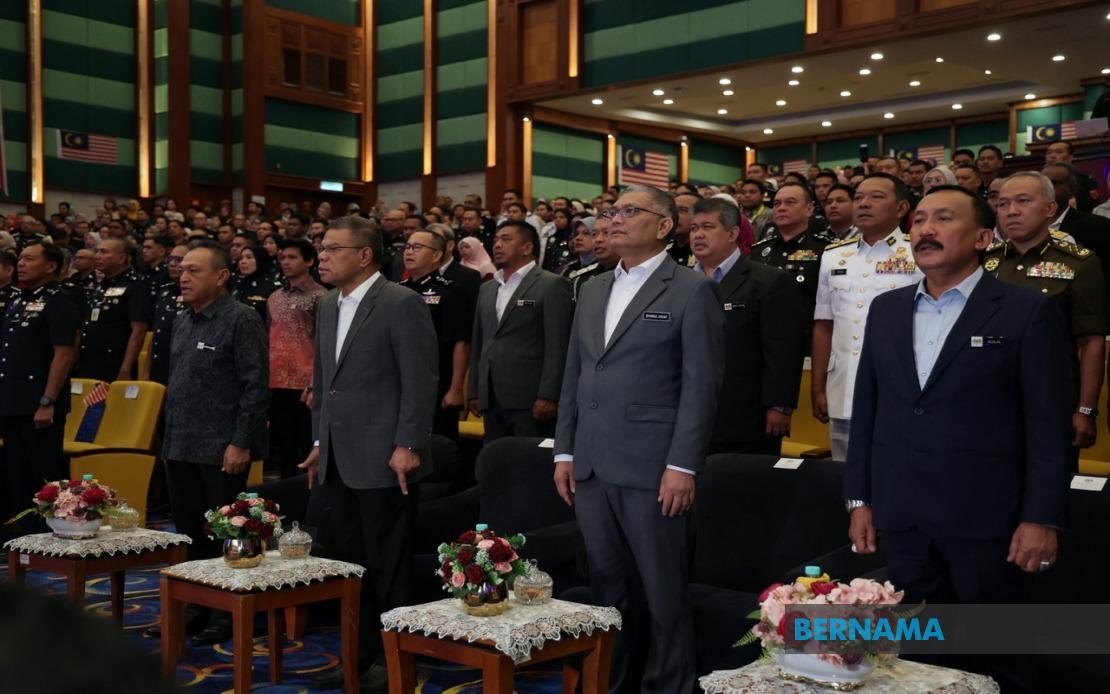
Malaysia is set to present a wide-ranging security overhaul for its border entry points to Cabinet, with Home Minister Datuk Seri Saifuddin Nasution Ismail and Transport Minister Anthony Loke jointly unveiling the proposal. The initiative emerged from heightened concerns over recent cases that have exposed potential vulnerabilities in airport screening procedures, prompting the government to prioritise strengthening controls across all points of entry into the country.
The comprehensive framework was developed over a two-week period following a direct Cabinet instruction to fortify security measures and improve coordination among the multiple agencies responsible for border management. Rather than operating in isolated departments, the new approach seeks to eliminate what Saifuddin Nasution described as a "silo approach," instead fostering seamless collaboration across the Home Ministry, Transport Ministry, and other relevant authorities. This represents a significant shift towards integrated security management, acknowledging that fragmented oversight had allowed gaps to persist.
The plan encompasses multiple technical and human resource components designed to address vulnerabilities at every level. Personnel competency improvements feature prominently, recognising that skilled officers form the frontline of effective border security. Infrastructure modernisation is equally crucial, with particular emphasis on closed-circuit television systems and advanced scanning machinery that can detect contraband more effectively than existing equipment. The framework also prioritises comprehensive training programmes to ensure staff operating these technologies understand their full capabilities and limitations.
Recent incidents have underscored the urgency of these upgrades. A Malaysian pilot's detention at Soekarno-Hatta International Airport in Indonesia following the seizure of approximately 25 kilogrammes of MDMA sparked particular alarm in Kuala Lumpur, triggering Cabinet-level intervention. The case raised uncomfortable questions about whether Malaysia's border controls matched international standards and whether security weaknesses might create an impression among criminal networks that the country presented an easy transit route for illicit drugs.
The government views these lapses as more than operational failures—they represent potential damage to Malaysia's international reputation and competitiveness. In an era when security standards influence airline operations, investment flows, and tourism, any perception that Malaysia's airports lack robust controls could have significant economic consequences. The Cabinet's rapid response demonstrates recognition that swift remedial action is necessary to restore confidence in the system.
Investigations into the pilot case continue, with the Royal Malaysia Police maintaining productive cooperation with Indonesian counterparts. Saifuddin Nasution indicated that evidence gathering may reveal whether the incident represents an isolated act or signals involvement with organised international trafficking networks. The distinction matters enormously for law enforcement strategy—understanding whether syndicates are actively targeting Malaysian airports would necessitate different investigative and preventative approaches than addressing individual smuggling attempts.
The information obtained through this investigation will directly inform identification of security shortcomings at Malaysian exit and entry points. By analysing how contraband reached the point of departure, authorities can trace specific procedural gaps or technical inadequacies and address them systematically. This evidence-based approach to security improvement offers a more targeted alternative to blanket measures that might inconvenience legitimate travellers without meaningfully enhancing safety.
Coordination challenges have historically plagued Malaysia's border security architecture. Different agencies—immigration, customs, police, aviation authorities—each maintain separate mandate structures and reporting relationships, potentially creating overlaps or gaps in screening procedures. The new plan explicitly targets these coordination deficiencies by establishing integrated protocols and shared information systems that ensure no traveller or cargo passes between agencies without proper vetting.
Infrastructure requirements identified in the plan reflect recognition that technology alone cannot solve security challenges, but properly deployed systems substantially raise the cost and difficulty of smuggling operations. Modern scanning equipment can detect organic compounds concealed in luggage or clothing with far greater reliability than visual inspection. Expanded CCTV coverage creates both deterrent effects and forensic trails should incidents occur. Together, these investments signal to potential offenders that Malaysia's borders present a hostile environment for contraband movement.
The Transport Ministry's involvement acknowledges that aviation security extends beyond airport terminal buildings. Airlines' operational procedures, cargo handling processes, and aircraft maintenance areas all present potential vulnerability points. Coordinating with aviation stakeholders ensures the security framework reflects practical realities of airport operations rather than imposing impractical restrictions that airlines might circumvent.
For Malaysia's position in Southeast Asia, demonstrating commitment to robust border security carries geopolitical implications. As the region's most developed economy and a major aviation hub, Malaysia naturally attracts attention from drug trafficking organisations seeking to move product through the region. Effective security at Kuala Lumpur International Airport and other entry points protects not only Malaysian citizens but also contributes to regional stability by disrupting trafficking routes that fuel broader drug problems across Southeast Asia.
The two-week timeline for plan preparation reflects political pressure and bureaucratic efficiency in equal measure. While rapid response suggests government seriousness, implementation will demand sustained attention and adequate resourcing. Cabinet approval represents merely the beginning; translating policy into operational reality requires funding allocation, equipment procurement, personnel recruitment and training, and continuous monitoring against performance metrics.
Stakeholders will scrutinise whether the framework's comprehensive promises translate into tangible improvements at airports and borders. Public confidence in security measures depends not on policy documents but on visible signs of enhanced screening procedures, modern equipment, and vigilant personnel. The government's credibility now depends on demonstrating that yesterday's vulnerabilities have become today's strengths.

