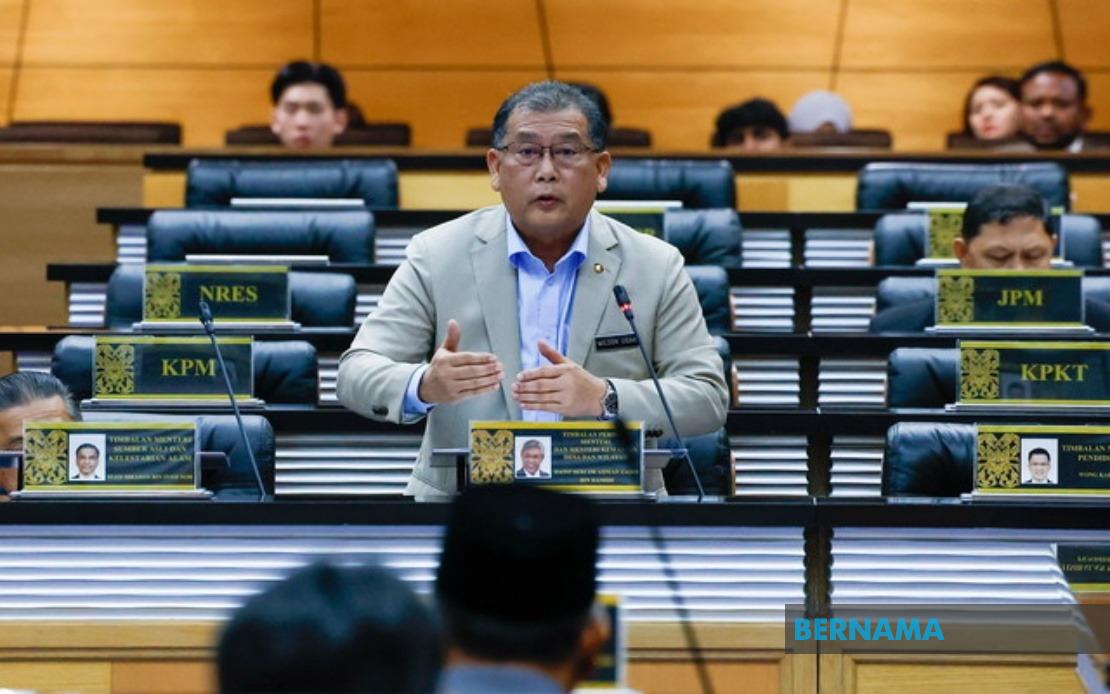
The Malaysian government is moving ahead with a significant infrastructure initiative to modernise its disaster response capabilities. Fifteen permanent disaster relief centres (PPKB) spanning nine states will become operational in phases beginning this year, representing a strategic shift in how the nation prepares for and manages emergencies. The announcement came from Deputy Digital Minister Datuk Wilson Ugak Kumbong, speaking on behalf of the Ministry of Rural and Regional Development, during parliamentary proceedings in Kuala Lumpur on July 6.
The rollout reflects varying stages of completion across the project portfolio. Two centres—one each in Johor and Pahang—have already been fully constructed and are ready for deployment. An additional nine facilities are currently under active construction, whilst the remaining four are still navigating the procurement and planning phases. This staggered approach allows the government to operationalise critical infrastructure while continuing design and implementation work on remaining projects, ensuring that disaster preparedness improvements emerge progressively rather than all at once.
The initiative emerged from lessons learned during previous flood seasons when schools throughout the country were pressed into service as temporary relief centres. This dual-purpose framework, formally introduced in 2023, addresses a persistent tension in disaster management: the need for adequate emergency shelter without sacrificing educational continuity. By creating specialised facilities that serve recreational and community functions during ordinary circumstances, policymakers aim to eliminate the economic waste of buildings sitting idle whilst simultaneously preventing disruptions to academic calendars when floods strike.
Each PPKB has been architecturally designed with comprehensive disaster response capabilities. The facilities include expansive open halls capable of accommodating up to 500 displaced persons, designated dining and food preparation areas, medical treatment rooms, accessible toilets for persons with disabilities, prayer spaces, and specially configured zones intended to minimise psychological distress among vulnerable populations including children and the elderly. This thoughtful infrastructure planning suggests recognition that effective disaster relief extends beyond basic shelter to encompass dignity, health, and emotional wellbeing.
The geographic prioritisation of these centres reflects empirical data on flood vulnerability. Site selection has deliberately concentrated on regions with documented histories of severe and recurring inundation. However, the approval pathway remains rigorous. Any proposal for PPKB construction must first receive endorsement from the State Disaster Management Committee before advancing to the National Disaster Management Agency (NADMA) for comprehensive evaluation. This multi-layered vetting process ensures that resources are deployed where they will generate maximum protective impact.
Beyond the permanent centres initiative, the government has simultaneously invested in upgrading existing temporary relief infrastructure. NADMA allocated RM4.44 million in April specifically to enhance facilities at 25 selected temporary centres located within Ministry of Education premises. Additionally, post-monsoon maintenance assistance of up to RM50,000 per location is available to ensure that facilities activated during the Northeast Monsoon season remain in optimal condition for subsequent disaster seasons. These parallel investments demonstrate a comprehensive rather than siloed approach to emergency readiness.
The programme's expansion reflects escalating demand as climate patterns shift and urbanisation concentrates populations in flood-prone areas. NADMA is actively pursuing additional development allocations to extend the PPKB network nationwide during subsequent phases, including areas such as Perak that have experienced significant flooding. This suggests long-term commitment to universal coverage rather than ad-hoc, reactive facility development.
For Malaysian readers, the implications are substantial. The permanent centres represent a maturing approach to natural disaster management—one that treats preparedness as a systems-level responsibility rather than an emergency improvisation. Students will benefit from uninterrupted schooling even during flood emergencies. Evacuees will access facilities specifically designed for their needs rather than adapting school buildings never intended for crisis accommodation. Communities will gain multipurpose assets that strengthen local resilience during normal times and surge capacity during emergencies.
The ministerial statement also underscored a crucial philosophical shift in disaster governance. Wilson Ugak emphasised that effective crisis management cannot rest solely with government agencies like NADMA. Instead, he advocated for a "whole-of-government and whole-of-society" framework incorporating federal and state authorities, private sector participation, and grassroots community engagement. This recognition of shared responsibility aligns with international best practices in disaster risk management and suggests a more distributed, participatory model than centralised control.
For the region, Malaysia's PPKB programme offers a replicable model. Southeast Asian nations facing similar flood pressures and school disruption challenges could adapt components of this framework. The dual-use facility concept particularly addresses resource constraints common across developing economies—the ability to justify infrastructure investment by ensuring productive use during peacetime whilst maintaining rapid conversion to emergency response during crises.
Implementation challenges remain. Construction timelines for the nine centres under development could be affected by supply chain delays, cost escalations, or weather disruptions. Coordination among federal, state, and local authorities requires sustained institutional commitment. Training of personnel to operate the centres effectively during actual disasters demands ongoing investment. Yet the sequential rollout approach provides flexibility to learn from early PPKB operations in Johor and Pahang before scaling nationally.
The project ultimately reflects a maturation in how Malaysia conceives disaster preparedness—not as an afterthought or residual function but as intentional infrastructure requiring dedicated facilities, comprehensive services, and integrated planning. As flood risks intensify across Southeast Asia, such forward-looking investments in permanent, purposefully designed relief infrastructure signal serious commitment to protecting lives and livelihoods when disasters inevitably strike.

