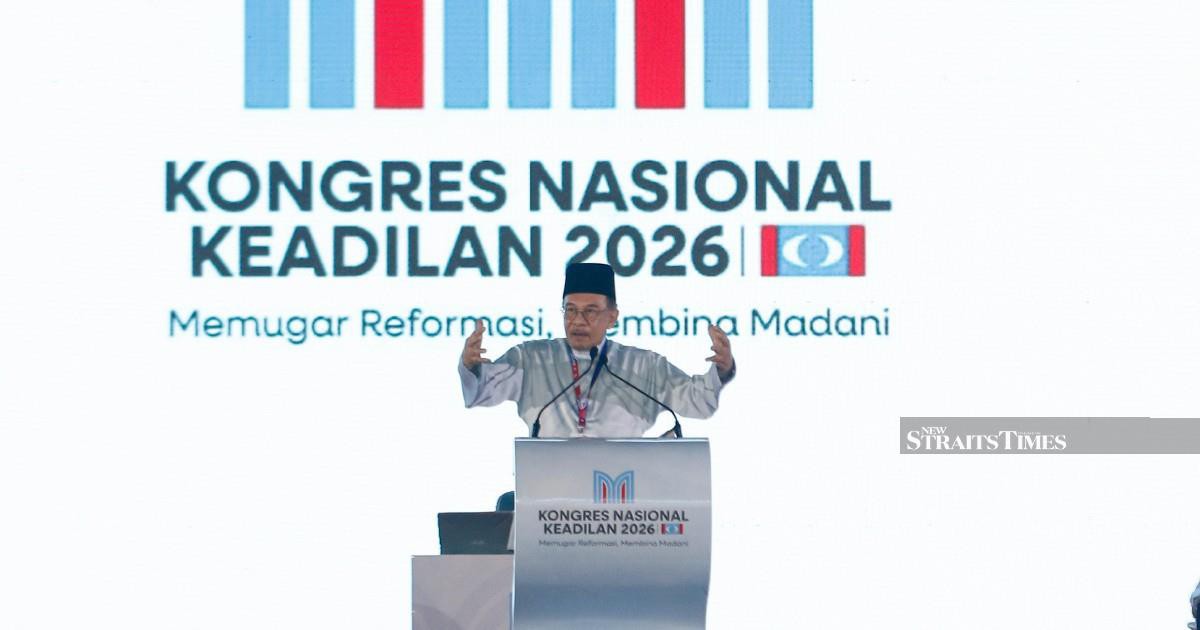
Prime Minister Datuk Seri Anwar Ibrahim unveiled plans to dismantle one of Malaysia's oldest and most consequential pieces of education legislation, announcing the government's intention to repeal the Universities and University Colleges Act 1971. The declaration, made during an address in Ayer Keroh, signals a departure from decades of legislative framework that has governed the country's higher education sector since the immediate post-independence era.
The 1971 Act, commonly referred to as Act 30, has served as the foundational legal instrument regulating public universities and university colleges throughout Malaysia's modern history. The legislation established the regulatory framework through which the government has exercised oversight and control over institutional governance, academic standards, and operations at these institutions. Its longevity speaks to how central it has been to Malaysia's approach to managing tertiary education, though its age has increasingly drawn scrutiny from education reformers and university administrators who argue it lacks flexibility for contemporary challenges.
This announcement represents more than a mere legislative housekeeping exercise. The abolition of Act 30 would constitute a fundamental reimagining of how Malaysia structures its relationship with higher education institutions. Rather than continuing under a framework designed in an era when Malaysia's development challenges and educational aspirations differed markedly from today's knowledge-economy imperatives, the government appears poised to introduce new regulatory mechanisms that reflect current needs and emerging opportunities in tertiary education.
For Malaysian universities themselves, this transition carries significant implications. Institutions have long sought greater autonomy in financial management, curriculum development, and strategic planning, arguments they have pressed against the constraints they contend Act 30 imposes. The move potentially opens pathways for universities to exercise expanded decision-making authority, though the precise nature and extent of such autonomy will depend on replacement legislation the government eventually introduces. Universities will be watching carefully to understand whether new arrangements genuinely expand institutional independence or merely substitute one form of regulation for another.
The timing of this announcement reflects broader regional and global conversations about higher education's role in economic competitiveness. Southeast Asian nations increasingly recognise that university performance in research, innovation, and graduate employment directly influences their capacity to compete in global markets and attract international talent. Countries like Singapore and South Korea restructured their higher education governance decades ago to enhance institutional agility. Malaysia's move suggests recognition that Act 30, whatever its historic merits, no longer aligns with the flexibility demanded by international academic competition and the knowledge-based economy.
For students and prospective university applicants, the implications remain uncertain pending clarification of replacement frameworks. However, the abolition of Act 30 could eventually influence student experience through mechanisms such as curriculum design, institutional research priorities, and relationships between universities and industry. Greater institutional autonomy might enable universities to respond more rapidly to labour market signals and craft programmes more directly connected to employer needs, though such outcomes are neither automatic nor guaranteed.
The Malaysian academic community will scrutinise what legislative architecture succeeds Act 30. Education policy observers note that simply removing outdated legislation without robust replacement frameworks could create vacuum periods during which institutional uncertainty hampers planning and recruitment. The government's transition strategy, therefore, becomes crucial. Stakeholders will expect transparent consultation with universities, student bodies, industry representatives, and civil society to shape replacement mechanisms that balance institutional autonomy with public accountability and educational quality assurance.
This development also carries implications for Malaysia's positioning within Southeast Asia's higher education landscape. The region's universities increasingly compete for regional prominence and international rankings. Changes to regulatory frameworks in one major nation can influence how others approach their own institutional governance. Malaysia's decision to abandon a foundational 1971 statute may prompt neighbouring countries to examine whether their own legislative arrangements similarly require modernisation.
The announcement underscores Anwar's government's declared commitment to education reform as a policy priority. Previous administrations have similarly acknowledged the need for higher education modernisation, yet concrete legislative changes have proceeded incrementally. This decisive move to abolish Act 30 suggests the current government views such transformation as sufficiently urgent to warrant major legislative action rather than incremental amendment of existing frameworks.
Looking ahead, the practical execution of this agenda becomes paramount. Moving from announcement to actual legislative repeal involves parliamentary procedures, detailed policy formulation, and coordination across multiple stakeholders with divergent interests. Universities seek autonomy but also stability; the government must balance institutional independence with national education objectives; and students deserve assurance that transitions will not disrupt their educational experience. The months ahead will reveal whether the government's boldness in announcing the abolition translates into thoughtfully designed replacement frameworks that genuinely enhance Malaysia's higher education system or whether the process becomes mired in sectoral disagreements and competing visions.

