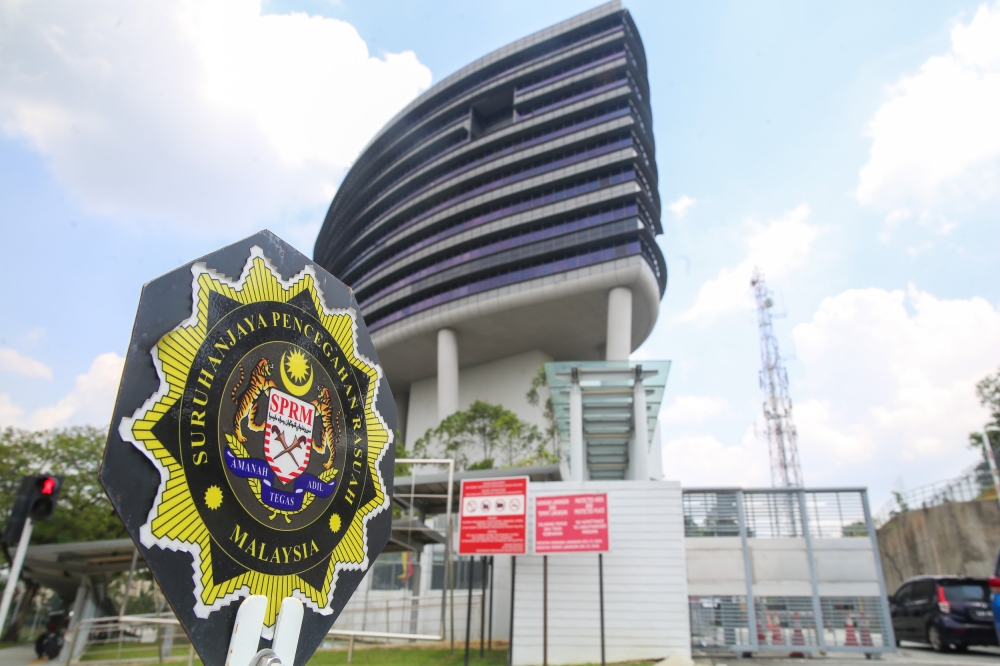
Malaysia is positioning itself as a regional leader in the fight against corruption by hosting the 22nd Asean-Pac meeting, a significant platform where the Malaysian Anti-Corruption Commission will assume the chair and guide discussions on transnational anti-corruption strategies. This gathering represents an opportunity to deepen collaborative mechanisms across Southeast Asia at a time when the region faces mounting pressures from complex financial crimes and cross-border corruption schemes that individual nations struggle to combat in isolation.
The Asean-Pac forum brings together anti-corruption authorities from across the 10-member Association of Southeast Asian Nations, creating a rare space for law enforcement leaders to align their investigative approaches and share intelligence on networks that span multiple jurisdictions. For Malaysia, chairing the meeting underscores the MACC's evolution from a domestically-focused institution into a major player in regional governance structures, reflecting the commission's growing technical capacity and institutional maturity. This responsibility also places Malaysia at the forefront of setting standards and best practices that may influence how neighboring countries approach corruption investigations and prosecutions.
Cross-border corruption has become increasingly sophisticated in Southeast Asia, with criminal networks exploiting gaps between national legal systems and leveraging the region's interconnected economies for money laundering and bribery schemes. The MACC's leadership of the Asean-Pac forum signals Malaysia's commitment to breaking down these barriers through enhanced information-sharing protocols, harmonized investigative techniques, and mutual legal assistance frameworks. By coordinating at the regional level, participating nations can better track illicit flows of capital, identify corrupt officials operating across borders, and build cases against organized crime syndicates that operate with impunity when authorities work in silos.
Capacity building emerges as a central concern within the Asean-Pac framework, as corruption-fighting agencies across the region possess varying levels of resources, training, and technological sophistication. Malaysia's position as chair allows it to facilitate knowledge transfer from more advanced enforcement systems to countries still developing their institutional infrastructure. This technical cooperation component addresses a practical reality in Southeast Asia: some nations possess robust legal frameworks but lack the forensic expertise or digital investigation capabilities needed to successfully prosecute complex financial crimes. Conversely, others possess dedicated personnel but operate within legislative constraints that limit their investigative scope. The forum provides a mechanism to address these asymmetries through workshops, training exchanges, and collaborative case development.
The regional anti-corruption agenda also intersects with Malaysia's broader national interests in maintaining macroeconomic stability and investor confidence. Persistent corruption undermines the rule of law and creates perception problems that affect foreign direct investment flows and credit ratings across Southeast Asia. By demonstrating visible commitment to strengthening enforcement networks, Malaysia signals to international investors and rating agencies that the region is taking graft seriously. This has tangible economic consequences: countries perceived as more corrupt tend to face higher borrowing costs, reduced access to foreign capital, and weaker business competitiveness. Malaysia's leadership of this forum thus carries implications beyond law enforcement, touching on economic development and regional competitiveness.
The timing of Malaysia's chairmanship reflects broader momentum within Asean toward improved governance standards, though progress remains uneven across the bloc. Some member states have implemented sophisticated anti-corruption legislation and established independent enforcement agencies, while others continue struggling with institutional autonomy and political interference in investigations. The Asean-Pac forum provides a neutral space where senior officials can discuss these challenges candidly and develop peer pressure mechanisms that encourage countries lagging in enforcement to upgrade their systems. This soft-power approach through regional forums often proves more effective than external pressure from Western governments or international organizations, which may be perceived as neo-colonial intervention.
International frameworks like the United Nations Convention Against Corruption establish global standards that Asean members have theoretically adopted, yet implementation varies dramatically across the region. Malaysia's role as chair positions the country to champion more rigorous adherence to these international commitments and encourage ratification of protocols that expand cross-border enforcement cooperation. The MACC can leverage this platform to advance specific initiatives, whether establishing joint task forces, creating shared digital databases of corruption cases, or developing standards for asset recovery procedures. Such concrete outcomes would move the Asean-Pac forum beyond a talk-shop into a mechanism delivering measurable improvements in regional enforcement capacity.
Domestically, Malaysia's leadership of this forum carries symbolic weight in the context of the country's own anti-corruption efforts. The MACC has pursued high-profile investigations in recent years, and chairing the regional platform provides an opportunity to reinforce institutional credibility and demonstrate to Malaysian citizens that corruption-fighting structures are serious, professionally managed, and capable of engaging with international peers on equal footing. This visibility also provides cover for domestic anti-corruption work by elevating it into a respectable regional cooperation agenda rather than allowing it to be perceived solely through the lens of partisan political competition.
Practical implementation challenges remain, however. Intelligence sharing across Asean members often encounters obstacles related to sovereignty concerns, intelligence agency protocols, and varying levels of trust between neighboring nations. Some countries worry that sharing sensitive intelligence could expose their own officials to investigation or reveal gaps in their enforcement systems. The Asean-Pac forum must establish confidentiality protocols and create incentive structures that encourage participation without exposing member states to unwanted vulnerability. Malaysia's chairmanship involves not only advancing an anti-corruption agenda but also managing these political sensitivities diplomatically, ensuring that all participating nations feel protected and invested in the collaborative process.
Looking forward, the success of Malaysia's tenure as chair will be measured not by the rhetoric of the meeting but by tangible outcomes that strengthen regional enforcement capacity. This might include launching specific joint investigations into transnational corruption cases, establishing protocols for expedited mutual legal assistance, or creating regional training centers for anti-corruption specialists. The forum represents an opportunity to demonstrate that Asean can move beyond declaratory statements on good governance and actually build institutional mechanisms that deliver results, a critical test of the bloc's ability to address complex transnational challenges in the 21st century.

