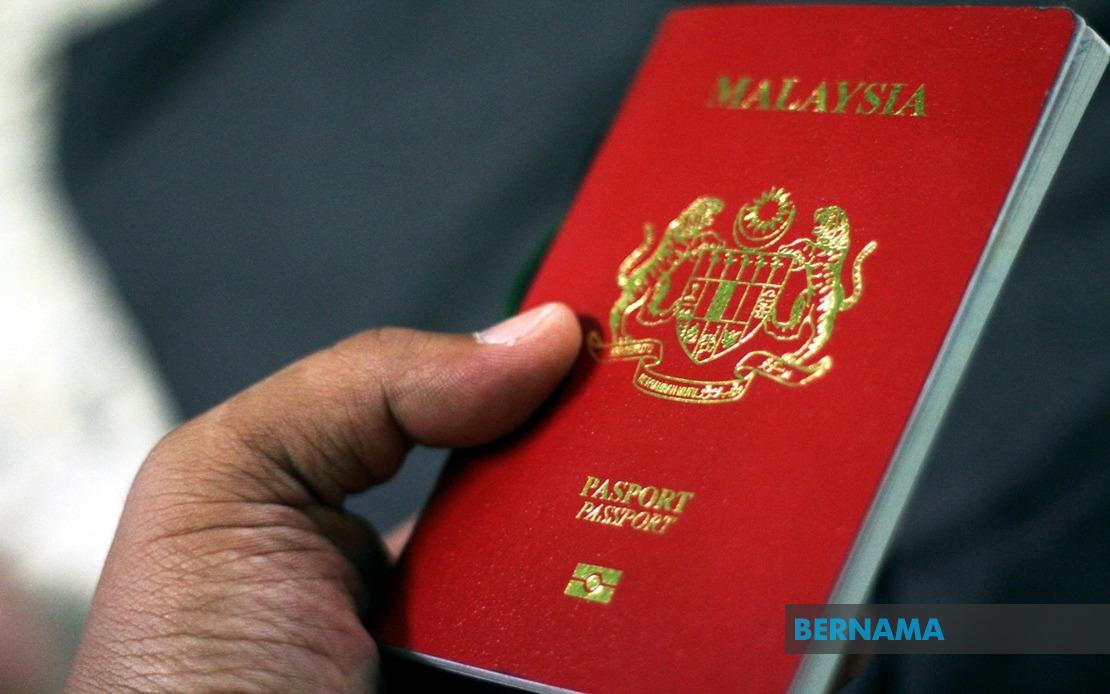
Prime Minister Datuk Seri Anwar Ibrahim will introduce Malaysia's new International Passport tomorrow at the Parliament lobby, marking a significant upgrade in the country's travel security infrastructure. The redesigned document incorporates 94 distinct security features, nearly doubling the protective measures found in the current version, which relies on 49 security elements. This advancement reflects the government's commitment to maintaining Malaysia's competitive standing in global passport rankings while addressing evolving threats to document authenticity.
The timing of this launch aligns with broader initiatives to strengthen Malaysia's identity security architecture. Earlier this year, Home Minister Datuk Seri Saifuddin Nasution Ismail announced that the government would undertake comprehensive redesigns of both the Malaysian International Passport and MyKad identification card. These parallel efforts underscore recognition within policymaking circles that identity documents face increasingly sophisticated counterfeiting techniques and require continuous technological evolution to remain ahead of criminal operations.
The enhanced passport incorporates cutting-edge security measures designed to create multiple verification layers that trained immigration and border security officials can rapidly assess. Holographic elements form part of the new design, offering visual confirmation tools that shift and display differently depending on viewing angles. Ultraviolet printing technology has been integrated throughout the document, creating invisible patterns and text visible only under specific light wavelengths. These features make casual visual inspection of forged documents immediately problematic, as replicating such effects requires specialised equipment beyond typical counterfeiting operations.
Beyond surface-level security enhancements, the new passport incorporates sophisticated forensic security features that border agencies and law enforcement can employ during detailed examinations. Hidden visual elements embedded within pages provide additional authentication checkpoints. The binding thread securing the passport booklet has been fundamentally redesigned with enhanced security properties, preventing unauthorised separation and replacement of pages. Each page within the new booklet features unique layouts and security implementations, eliminating any standardisation that forgers might exploit across multiple documents.
Malaysia's position within international passport rankings provides context for why such investments matter beyond domestic border management. According to the Passport Index rankings released in 2025, the Malaysian International Passport ranks as the world's third most powerful travel document, a status reflecting visa-free or visa-on-arrival access to numerous countries and territories. Maintaining this elevated standing requires demonstrating to international partners that Malaysia implements world-class security standards and actively works to prevent document fraud that could compromise global travel security.
The upgrade represents incremental but meaningful progress in Malaysia's broader identity security ecosystem. Neighbouring countries including Singapore, Japan, and South Korea operate passport systems with sophisticated security features, and several Southeast Asian nations are undergoing similar modernisation efforts. Malaysia's new passport positions the country competitively within the region while ensuring that immigration officials at Malaysian borders and Malaysian citizens presenting documents internationally can rely on equipment and features recognised by global security standards.
For Malaysian travellers, the practical implications extend beyond abstract security improvements. Counterfeiting risks have genuine consequences for legitimate passport holders, as compromised document integrity can trigger additional screening at border crossings, visa application complications, or investigations. New travellers and those requiring passport replacement will gradually transition to the upgraded document, which offers substantially improved protection against fraudulent use or duplication. The government has not yet announced a timeline for transitioning existing passport holders, though international best practices typically allow current documents to remain valid until natural expiration dates.
The implementation of 94 security features reflects technological advances in anti-counterfeiting materials and design methodologies that have emerged over the past decade. These features work synergistically rather than independently; sophisticated counterfeiting operations must replicate multiple security elements simultaneously, raising costs and complexity exponentially. A document failing verification on any single security layer during border inspection triggers additional scrutiny, meaning forgers cannot simply replicate visible features while ignoring ultraviolet or forensic elements.
Home Ministry initiatives accompanying the passport redesign demonstrate that identity document security represents a whole-of-government priority extending beyond passport services. Simultaneously upgrading MyKad reflects recognition that Malaysian identity verification systems require coordinated enhancement across multiple document types. These parallel efforts create integrated security ecosystems where authentication measures reinforce one another across different contexts, from immigration processing to financial services and government benefit access.
The launch event itself carries symbolic weight within Malaysia's security governance narrative. Positioning the Prime Minister as the official unveiler emphasises the political importance attached to document security, signalling to both domestic audiences and international partners that Malaysia takes identity protection seriously at the highest governmental levels. This ceremonial framing also provides an opportunity to communicate broader confidence in Malaysia's ability to manage sophisticated security challenges amid globalisation and technological change.
Southeast Asian travellers and businesses should monitor implementation details as the new passport rolls out. Regional integration efforts, including ASEAN travel facilitation initiatives, depend partly on member states maintaining compatible security standards. Malaysia's new passport, meeting or potentially exceeding international norms, supports frictionless regional movement while protecting the integrity of ASEAN identity verification systems. For business professionals, diplomats, and frequent travellers within the region, the enhanced document provides additional assurance that their credentials will be rapidly verified at regional borders.

