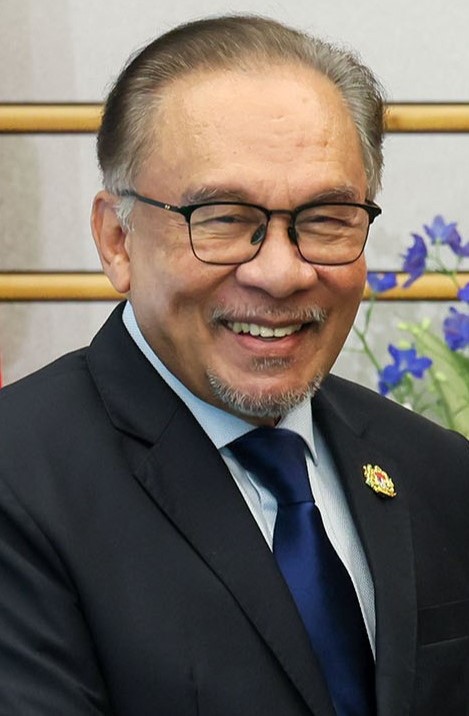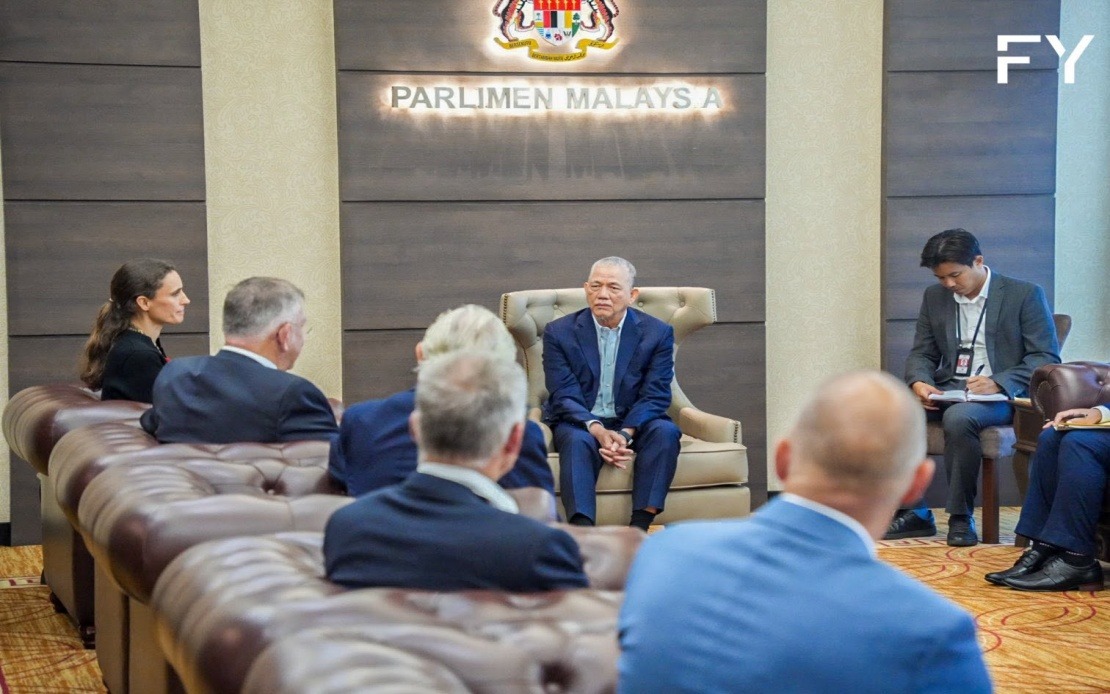
Malaysia is positioning itself as an attractive destination for German small and medium enterprises seeking to expand their operations in Asia, with Deputy Prime Minister Datuk Seri Fadillah Yusof publicly welcoming increased investment flows from Europe's largest economy. During a formal courtesy call at Parliament House, Fadillah expressed particular interest in attracting German SME capital into green technology, renewable energy, and water management and treatment sectors—areas he identified as strategically aligned with Malaysia's broader sustainable development framework.
The meeting brought together Silke Riecken-Daerr, Germany's Ambassador to Malaysia, alongside representatives from the German SME Business Association, underscoring the institutional weight Berlin places on expanding commercial ties with Southeast Asia's second-largest economy. This engagement reflects a deliberate diplomatic strategy to deepen economic partnerships beyond traditional corporate investors, recognising that smaller German enterprises often bring specialised expertise and innovation-driven solutions to emerging markets. The timing is significant, as both nations navigate shifting global supply chains and growing emphasis on environmental sustainability across Asia.
Germany already maintains a substantial footprint in Malaysia's economic landscape. More than 800 German companies currently operate across the country in diverse sectors, generating substantial employment and technology transfer. This established presence has been built largely on Malaysia's strength in mechanical engineering and manufacturing technology—sectors where German expertise has traditionally commanded premium positioning. The existing network of German operators provides a foundation upon which newer SME entrants can build, offering them access to proven supply chains, regulatory pathways, and market knowledge accumulated over decades of bilateral commerce.
Fadillah's emphasis on green technology and renewable energy reflects Malaysia's evolving policy priorities. The nation has committed to achieving net-zero emissions by 2050 and has set intermediate targets for renewable energy capacity expansion. Water management and treatment technologies hold particular relevance given Malaysia's tropical climate challenges, including seasonal flooding and pressure on freshwater resources in rapidly urbanising regions. German SMEs bring world-recognised capabilities in these domains—from water purification systems to solar and wind technologies—that could meaningfully contribute to Malaysia's environmental objectives while creating commercial opportunities.
Beyond direct investment, the dialogue identified a second pillar of cooperation: Technical and Vocational Education and Training. Germany's dual education system, which combines classroom instruction with workplace apprenticeship, has become a global benchmark for producing job-ready graduates equipped with practical skills. Fadillah recognised that importing German expertise in TVET could strengthen Malaysia's human capital development strategy. This is particularly timely as Southeast Asian economies face persistent skills gaps in advanced manufacturing, green technology maintenance, and engineering disciplines where German-style apprenticeships excel at developing competency.
The Malaysian government views this partnership as mutually reinforcing. For Germany, Malaysia represents a strategic gateway to the broader ASEAN economic bloc—a market of over 600 million people increasingly focused on sustainable development. For Malaysia, German SME participation addresses specific technological and skills gaps while strengthening the country's appeal to multinational supply chains seeking reliable, innovation-focused regional bases. The emphasis on sustainability initiatives also aligns Malaysia with European Union standards and expectations, potentially facilitating smoother trade relationships and attracting ESG-conscious investors.
Fadillah's public statements signal government openness to streamlined approval processes and potential incentives for qualifying German SME investors. This openness contrasts with more protectionist sentiments in other sectors, suggesting that green technology and vocational training are deemed sufficiently aligned with national interest to merit preferential treatment. The deliberate framing of these sectors as components of Malaysia's sustainable development agenda suggests the government is using environmental policy as a vehicle for attracting foreign capital while advancing genuine decarbonisation goals.
The bilateral relationship reflects broader geopolitical reorientation in Southeast Asia. As regional nations balance great-power competition and seek diversified partnerships, strengthening ties with established democracies and technology leaders like Germany provides both economic benefits and strategic balance. German SME investment, focused on skills and green innovation, fits this calculus more comfortably than capital concentrated in traditional heavy industry or resource extraction.
Looking ahead, successful conversion of these high-level welcomes into concrete investments will depend on Malaysia's ability to deliver on promised regulatory support, infrastructure access, and skilled workforce availability. The invitation to German SMEs is now public and formal—execution will determine whether Malaysia emerges as a preferred destination for German mid-market enterprises seeking Asian expansion or whether interest remains confined to diplomatic courtesy.