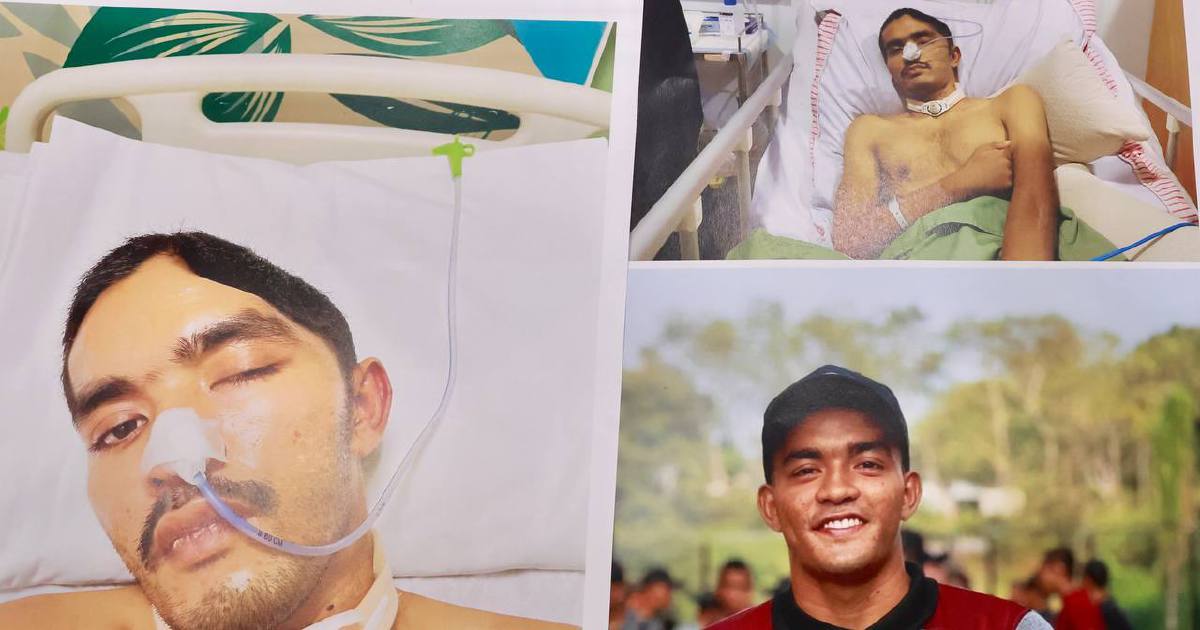
The Malaysian Army has concluded its internal investigation into a serious incident at a military facility in Johor that resulted in significant injury to a commando member during the month of March. The completion of the probe marks a critical juncture in the military's response to the occurrence, with the service branch now moving forward with appropriate disciplinary measures against personnel implicated in the matter.
Military investigations of this nature typically take several months to complete, involving detailed interviews with witnesses, examination of physical evidence, and careful review of operational procedures that were in place at the time. The fact that the inquiry is now concluded suggests that investigators have gathered sufficient documentation and testimony to determine responsibility and contributory factors. Such thorough processes are essential within armed forces structures to ensure accountability and maintain institutional integrity, particularly in matters affecting personnel safety and welfare.
The incident itself, occurring at a training or operational facility in Johor, underscores ongoing concerns about workplace safety standards within Malaysia's military installations. Commando units typically engage in intensive and high-risk training regimes, and any injury serious enough to warrant a formal investigation and subsequent disciplinary action suggests either procedural breaches or failure to implement established safety protocols. The nature of such work inherently carries occupational hazards, yet military organisations are bound by strict duty-of-care obligations toward their personnel.
The decision to implement dismissals as a consequence indicates that the investigation has identified clear wrongdoing rather than mere accidents or unavoidable circumstances. Dismissal represents one of the most severe personnel actions available within military disciplinary frameworks, typically reserved for serious breaches of conduct, negligence resulting in harm, or violations of operational safety regulations. The breadth of this action—affecting multiple personnel—suggests systemic failures rather than isolated individual misconduct, raising questions about the adequacy of command oversight and safety culture at the affected facility.
For Malaysia's broader military community, such incidents and their consequences carry significant implications for morale, recruitment, and public confidence in the armed services. Servicemen and women must be able to trust that their commanders will implement rigorous safety measures and enforce standards consistently. Conversely, the public must have assurance that the military holds accountable those whose actions or negligence endanger personnel entrusted to military care. The investigation's completion and the initiation of disciplinary procedures represent an acknowledgement of these dual obligations.
The commando corps holds a special position within the Malaysian Armed Forces, representing the elite combat capability of the military and attracting personnel of exceptional physical conditioning and dedication. When such trained professionals sustain serious injuries during what should be controlled training or operational environments, it reflects poorly on institutional management. The reputational damage extends beyond the specific unit to affect broader military effectiveness, as the public and potential recruits assess the military's commitment to personnel welfare alongside its combat readiness.
Investigative procedures within the Malaysian military operate within established protocols that balance fairness to those under inquiry with the imperative to maintain discipline and operational standards. The involvement of senior command in both the investigation phase and subsequent disciplinary decisions ensures a degree of oversight beyond the immediately responsible unit. However, the transparency of such processes remains a matter of public interest, particularly when dismissals are involved and questions arise about whether all contributing factors have been properly addressed.
The transition from investigation to disciplinary action also raises important questions about prevention and systemic improvement. While accountability through dismissal is necessary, lasting institutional change requires that the root causes of the incident be addressed through revised procedures, enhanced training of supervisory personnel, and upgrades to facility safety measures where warranted. The military's credibility depends not only on its willingness to hold people responsible but also on demonstrable commitment to preventing similar incidents in the future.
For the injured commando himself, the completion of the investigation represents one milestone in a longer journey. Depending on the severity of the injury, recovery and rehabilitation may extend over considerable time. The investigation's outcome, while establishing accountability, does not directly address questions of compensation, medical care continuity, or the injured individual's future within the service. These ancillary matters remain important to both the affected personnel and the broader military community's sense of justice and organisational integrity.
The incident and its investigation occur within Malaysia's broader context of institutional reform and modernisation. The armed forces face increasing scrutiny regarding transparency, accountability, and alignment with contemporary international standards for personnel management and workplace safety. The Johor incident thus represents not merely a local command matter but a test of the military's willingness to embrace higher standards of accountability and institutional responsibility. How thoroughly the disciplinary measures are implemented and communicated will significantly influence perceptions of the military's commitment to genuine reform rather than perfunctory responses to external pressure.

