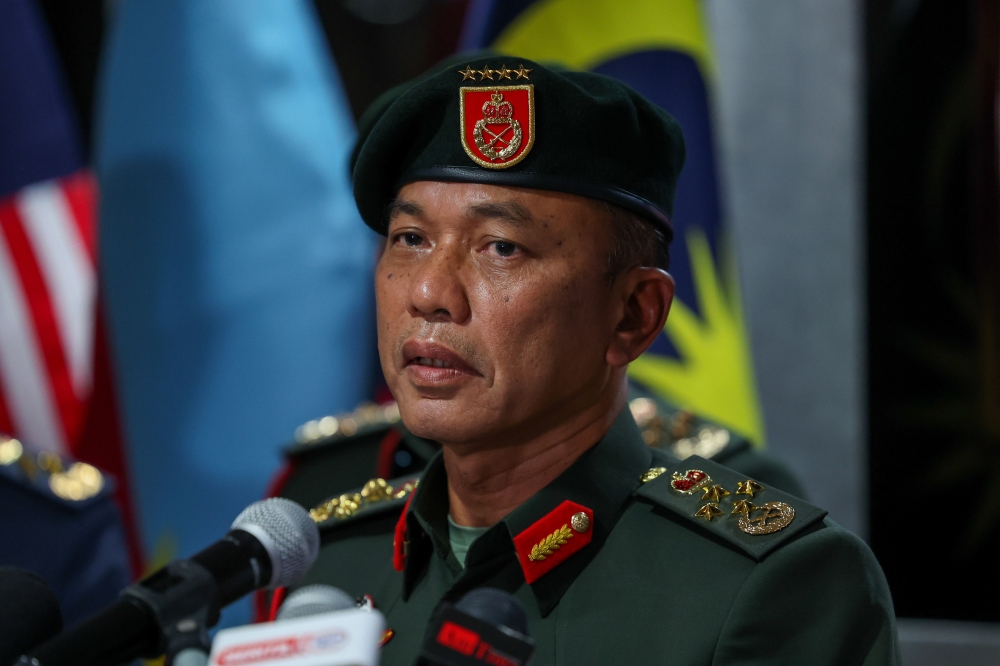
The Malaysian Army has publicly disputed serious rape allegations against one of its personnel that have gained significant traction on social media platforms, asserting that findings from its internal investigation substantially contradict the claims that have gone viral online. The military statement, released in Kuala Lumpur on July 15, represents an attempt by the TDM to control the narrative around the case amid growing public concern and widespread social media discussions about the incident.
The emergence of the allegations through social media channels has highlighted the speed at which unverified claims can spread across digital platforms, particularly when involving sensitive criminal matters and military personnel. The viral nature of the accusations underscores the challenge facing both law enforcement and military authorities in managing public perception when allegations surface through informal channels rather than official reporting mechanisms. This pattern of social media-driven allegation disclosure has become increasingly common in Malaysia and across Southeast Asia, often outpacing traditional investigative processes and complicating official responses.
The Malaysian Army's decision to publicly counter the allegations reflects institutional concern about reputational damage and the potential erosion of public confidence in military discipline and conduct standards. By releasing a statement emphasizing that internal findings contradict the circulating claims, the TDM appears to be attempting to reassure both the public and potential victims that allegations of this severity are being taken seriously and investigated thoroughly. The timing and tone of the response suggest organisational awareness of the sensitivity surrounding sexual assault allegations within uniformed services across the region.
Official investigations into serious allegations involving military personnel typically involve multiple layers of scrutiny, including preliminary fact-finding, detailed interviews with involved parties, and examination of physical and documentary evidence. The Malaysian Army's assertion that its probe findings diverge from what has been alleged online raises important questions about evidentiary standards, the credibility of social media sources, and the distinction between unsubstantiated claims and substantiated findings. These distinctions carry significant implications for all parties involved, from the accused soldier to the alleged victim and the institution itself.
The case reflects broader regional challenges surrounding sexual misconduct within military establishments. Southeast Asian armies have faced increasing international attention regarding their internal disciplinary procedures and their responsiveness to sexual assault complaints. The Malaysian Army's public response, while defensive in tone, indicates awareness that merely conducting investigations quietly no longer suffices in an era of instant information sharing and rapid digital mobilisation. Transparency in process, though not necessarily in outcome, has become an expected component of institutional credibility.
For Malaysian readers and observers across Southeast Asia, this episode illustrates the tension between protecting the rights of the accused and ensuring that genuine victims have pathways to justice and accountability. The military context adds additional complexity, as the TDM operates under both civilian law and military justice frameworks, with different standards and procedures applying depending on which system takes precedence. Understanding these jurisdictional nuances is crucial for the public to properly evaluate allegations and official responses.
The proliferation of unverified allegations through social media also raises concerns about the potential harm to innocent individuals who may be falsely accused. Conversely, institutional resistance to acknowledging problems within military ranks has historically allowed genuine misconduct to persist and perpetrators to avoid accountability. Navigating between these extremes—protecting the accused while ensuring justice for victims—represents one of the most challenging aspects of modern institutional governance, particularly for organisations like the military that operate with significant public trust.
The Malaysian Army's statement that its investigation produced findings contradicting the viral allegations will likely satisfy some observers while raising further questions for others. Sceptics may view the assertion as self-serving protection of institutional interests, while supporters may interpret it as evidence of proper investigative procedure and potential social media misinformation. The public's ability to distinguish between legitimate institutional defence and institutional stonewalling depends heavily on the transparency with which the TDM handles the matter moving forward.
The case also underscores the importance of proper channels for reporting sexual assault allegations within military structures. If victims lack confidence in internal complaint mechanisms or fear retaliation, they may turn to social media and informal networks as alternatives, which can undermine the evidentiary quality of allegations even when they contain elements of truth. Strengthening official reporting pathways and ensuring robust protections for complainants remain essential for both institutional credibility and victim support across regional militaries.
Moving forward, the Malaysian Army faces pressure to demonstrate that its investigation was conducted with rigour and impartiality, regardless of whether the ultimate findings support or refute the allegations. Public disclosure of investigation methodology, timelines, and substantive conclusions—balanced against legitimate confidentiality requirements—could help rebuild institutional confidence in the military's capacity to address serious misconduct. For Malaysia's broader justice system, this case serves as a reminder that social media allegations and official investigations operate according to different logics and standards, and reconciling these differences while maintaining public trust remains an ongoing challenge.

