The Embassy of Malaysia in Japan has issued a comprehensive advisory to Malaysian nationals residing in the country following a powerful 7.1-magnitude earthquake that struck Kumamoto Prefecture in the Kyushu region. The diplomatic mission underscored the importance of heightened awareness and continuous observation of evolving situations as rescue and damage assessment efforts continue across the affected area.
In its official guidance disseminated through social media channels, the embassy directed Malaysians to actively consult the Japan Meteorological Agency's official portal at www.jma.go.jp/jma/index.html for authoritative information regarding ongoing seismic activity, tsunami warnings, and safety bulletins. This recommendation reflects the significance of accessing verified data sources during natural disasters, particularly given the potential for conflicting or outdated information circulating through informal channels during crises.
Malaysian citizens facing immediate danger or requiring consular support have been provided with multiple contact avenues. The embassy's main telephone line +81 3 3476 3840 operates during regular business hours, while an after-hours emergency contact at +81 70 1471 9756 ensures assistance availability around the clock. Additionally, Malaysian nationals may reach out via electronic mail through [email protected] or [email protected] for non-urgent matters.
According to Japan's Kyodo News agency, tsunami warnings were initially issued for the Ariake and Yatsushiro seas in the aftermath of the tremor, though these precautionary measures were subsequently withdrawn. This demonstrates the multi-layered hazard assessment protocols that Japanese disaster management authorities activate immediately following major seismic events, reflecting the nation's extensive experience with earthquake response systems.
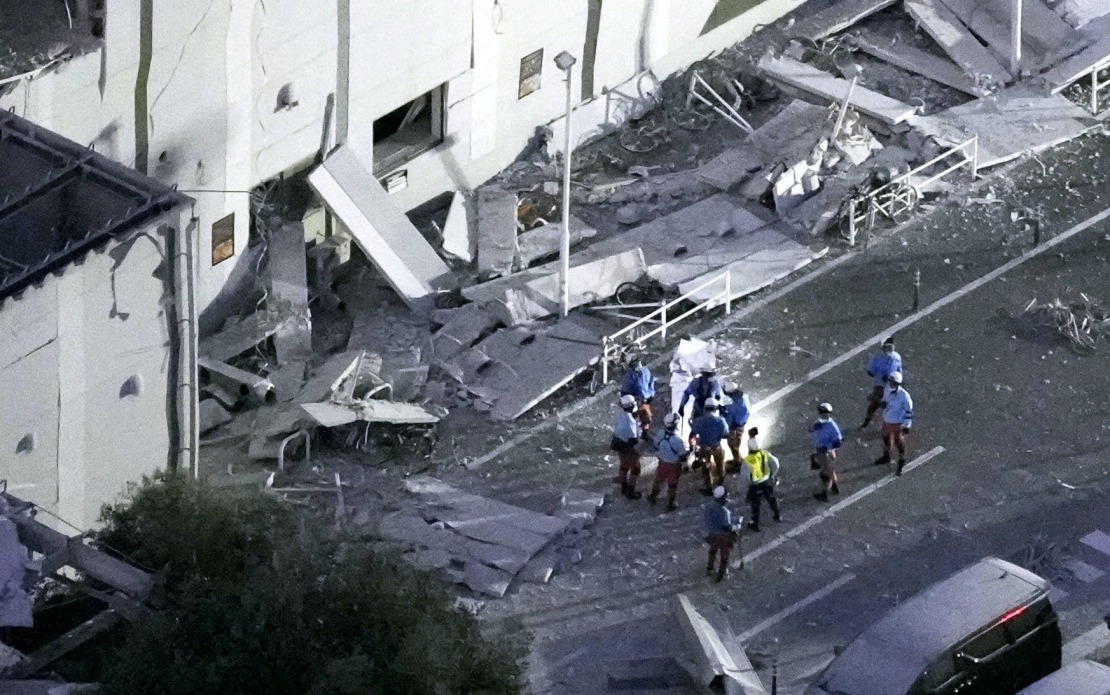
The scale of potential casualties and infrastructure damage remains under evaluation as authorities mobilise across Kumamoto and surrounding regions. Preliminary reports indicate collapsed structures, multiple fire incidents, widespread power disruptions, and significant transportation gridlock throughout the prefecture. Such cascading failures following major earthquakes present acute challenges for rescue operations and humanitarian assistance delivery.
Japan's meteorological authorities issued public guidance anticipating additional earthquakes of comparable magnitude could occur over the coming days, a relatively common pattern following major seismic events. This warning carries particular significance for Malaysian communities and business interests operating in Kumamoto, which hosts manufacturing facilities and service sector operations tied to bilateral trade relationships.
Compounding the immediate earthquake hazard, the Japan Meteorological Agency highlighted the serious health threat posed by heat exposure during recovery operations. With temperatures in Kumamoto projected to exceed 35 degrees Celsius, emergency responders, displaced persons, and residents clearing debris face elevated risks of heatstroke and heat exhaustion. This phenomenon, sometimes overlooked in disaster narratives, frequently causes casualties during prolonged emergency response periods in summer months.
For Malaysian expatriates in Japan, the advisory reflects standard diplomatic practice during natural disasters—maintaining open communication channels while directing nationals toward authoritative sources rather than relying on rapidly evolving and potentially inaccurate media reports. The multi-language capability of Malaysia's embassy staff and established coordination with Japanese authorities enables effective assistance delivery to Malaysian citizens across Japan's affected regions.
The earthquake's impact extends beyond immediate safety concerns to affect Malaysian business operations, educational institutions, and service providers throughout Kumamoto and surrounding prefectures. Supply chain disruptions resulting from transportation failures and infrastructure damage may create ripple effects across regional trade networks that Malaysian enterprises depend upon for component sourcing and market access.
Malaysia's diplomatic mission in Tokyo maintains standby protocols for major emergencies, including coordination with Japanese government agencies, activation of crisis communication systems, and logistical support for nationals requiring evacuation or repatriation. The proactive issuance of guidance reflects commitment to keeping the Malaysian community informed rather than waiting for formal requests for assistance, a recognition that effective crisis management depends upon rapid information dissemination.
As rescue operations progress and damage assessments proceed over coming days, the embassy is expected to provide updated guidance reflecting changing conditions. Malaysian nationals are encouraged to maintain situational awareness, check in with family members outside Japan, and avoid non-essential travel within Kumamoto Prefecture. For those with employment or educational commitments in the affected region, verification of workplace or campus status before returning should be prioritised.

