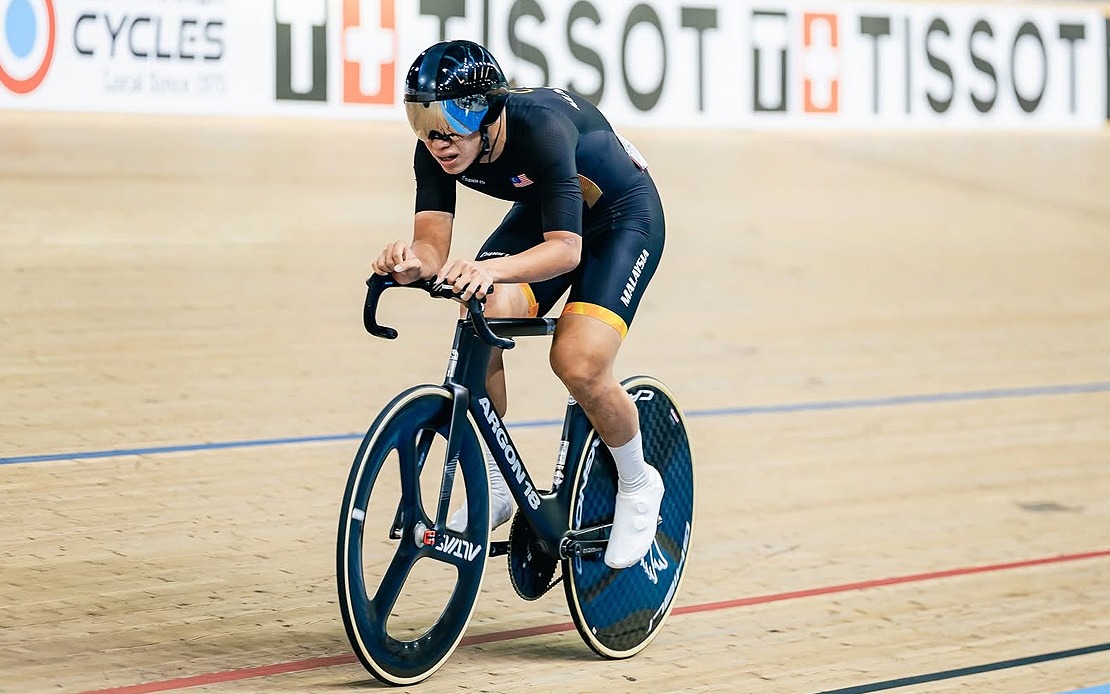
Malaysian track cyclist Lau New Joe is recovering well following a serious collision during the men's 10-kilometre scratch race final at the 2026 Glasgow Commonwealth Games on Saturday, with medical authorities confirming his condition is stable and he has been cleared to return to Malaysia. The incident, which involved nine riders shortly before the final lap at the Sir Chris Hoy Velodrome, left New Joe requiring immediate hospitalisation and specialist treatment, but he has now been discharged and is scheduled to depart Glasgow with the national contingent on August 3.
The crash occurred as competitors entered the closing stages of the race, with New Joe appearing to lose consciousness momentarily following the impact. Medical personnel from the Games immediately attended to him, and he was transported to the Queen Elizabeth University Hospital's emergency department for comprehensive assessment. The seriousness of the incident became apparent when diagnostic imaging was initiated, with New Joe undergoing both computed tomography scanning and full-body X-rays to determine the extent of his injuries.
According to Dr Kamarul Hashimy Hussein, the chief medical officer of the Malaysian contingent, the CT scan delivered encouraging results regarding internal trauma. While the imaging revealed no signs of bleeding within the brain—a critical concern given the impact to the rider's head—radiological examination did identify minor fractures affecting the facial bone structure. These findings, though not immediately life-threatening, necessitated specialist intervention beyond the scope of emergency medicine.
Following the initial emergency assessment, New Joe was referred to maxillofacial specialists who took over his care during the evening hours. Two dental maxillofacial surgeons provided intensive treatment starting at approximately 9 pm and continuing until 1 am, addressing both the skeletal fractures and associated dental trauma. The fractured teeth sustained during the collision will require multiple treatment sessions and ongoing specialist follow-up appointments after his return to Malaysia, representing a recovery process that extends well beyond his immediate hospital discharge.
The National Sports Institute will assume responsibility for coordinating New Joe's rehabilitation upon his arrival back in Malaysia, ensuring continuity of care and structured recovery protocols. Dr Kamarul emphasised that the recovery programme will encompass not only physical healing but also psychological support, recognising the mental resilience required for an athlete to return to competitive cycling after such a traumatic experience. He noted that New Joe has demonstrated a strong mentality and competitive drive, factors that will be instrumental in supporting his comeback bid.
Monitoring of the cyclist's physical capabilities will form a central component of his post-discharge management, with particular attention paid to cardiovascular fitness, stamina levels, and muscular endurance. Medical staff will carefully assess his readiness before clearing him to resume training and competition, with the goal of returning him to peak condition as safely as possible. This conservative approach reflects international best practice in managing concussive injuries and trauma recovery among elite athletes, where premature return to sport carries significant risks of complications and re-injury.
The timing of New Joe's potential return to competition remains uncertain but carries particular significance given the Asian Games schedule commencing September 19 and concluding October 4. Dr Kamarul expressed cautious optimism about the possibility of New Joe competing at that event, should his recovery progress favourably and medical clearance be granted. However, he made clear that no timelines have been set and that New Joe's health and safety will take absolute precedence over competitive aspirations.
The crash itself represents a sobering reminder of the inherent risks in track cycling, a discipline where high speeds and close quarters create conditions for serious accidents. Multiple riders being involved in the same incident underscores how quickly situations can develop and the limited time athletes have to react or avoid obstacles on the track. This incident may prompt further discussion among Commonwealth Games organisers and cycling authorities regarding safety protocols and equipment specifications at elite competition levels.
For New Joe, this represents his debut appearance at the Commonwealth Games, an event traditionally viewed as a major milestone in an athlete's career development. Rather than the triumphant occasion typically envisioned, his Games experience has been marked by this difficult challenge. Nevertheless, his relatively swift discharge and the absence of catastrophic internal injuries suggest a pathway to recovery, though the psychological impact of such a serious incident during one's Games debut should not be underestimated.
The Malaysian cycling community will be monitoring New Joe's recovery closely, as track cycling remains an important discipline within the nation's Olympic and Commonwealth Games portfolio. His experience also serves as a reminder of the demanding physical and mental requirements placed upon elite athletes who must navigate not only the intense pressure of competition but also the ever-present risk of serious injury inherent in their sport.

