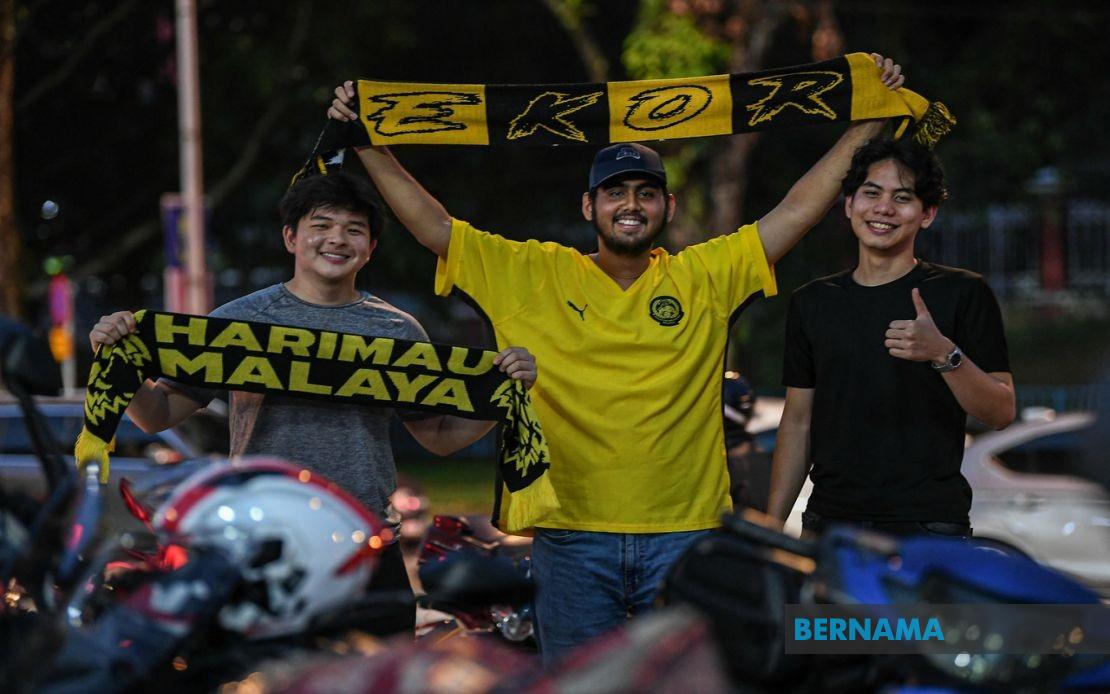
Harimau Malaya encountered a quieter-than-usual atmosphere at Kuala Lumpur Football Stadium in Cheras during their 2026 ASEAN Cup Group B clash against Laos on July 28, after the influential Ultras Malaya supporter group called for fans to stay away from all national team matches. Yet despite the boycott appeal, a contingent of loyal supporters still made the journey to the stadium to back the squad under interim head coach Tan Cheng Hoe, signalling a divide within the Malaysian football fan base over how best to voice discontent with institutional problems plaguing the sport.
The decision by Ultras Malaya to mobilise a boycott represents a significant moment in Malaysian football politics, reflecting the frustration many supporters feel over governance failures at the Football Association of Malaysia (FAM). The boycott call came in the wake of broader institutional upheaval, with the entire FAM Executive Committee for the 2025-2029 term collectively and voluntarily stepping down in January following public controversy over matters related to heritage players and questions about the organisation's direction. The simultaneous resignations were characterised as a principled response intended to safeguard FAM's integrity during a period of acute reputational damage.
However, a cross-section of match attendees rejected the boycott framing, arguing that penalising players for administrative failures was counterproductive. Raja Muhammad Faiz Raja Jamalizan, a 24-year-old private sector worker, articulated a perspective shared by many in the stands, contending that off-field crises should not translate into abandoned players during crucial tournament matches. His reasoning reflected a pragmatic view that national teams derive psychological and tactical benefit from home support, and that withdrawing that presence essentially punishes athletes for institutional mismanagement beyond their control. The tension between accountability and supporting sportspeople thus crystallised around the competing moral frameworks on display.
Another powerful testament to continued fan engagement emerged from 39-year-old Syazwani Sardon, who attended the Laos fixture despite being six months pregnant. Her presence symbolised the depth of emotional investment Malaysian supporters maintain toward the national team irrespective of administrative turbulence. She expressed hope that future matches, particularly Malaysia's final Group B encounter against the Philippines on August 8, would draw fuller stadium attendance and a more energetic crowd atmosphere. Such individual stories underscore why blanket boycott strategies prove difficult to sustain, as they depend on near-universal participation to achieve maximum impact.
The absence of Ultras Malaya's customary vocal presence noticeably dampened the stadium environment. The reverberation and rhythmic intensity that supporter ultras typically generate during matches was substantially reduced, illustrating the organisational power these groups wield in shaping in-stadium experience. Yet the fact that matches proceeded with diminished but present support suggests that boycott calls, however legitimately motivated, face structural limits when applied to national team football, where patriotic sentiment and emotional attachment to the squad operate independently of institutional grievances. This dynamic mirrors patterns observed across other nations where supporter movements attempt to coordinate boycotts during periods of governance crisis.
Matches context matters considerably here. Malaysia currently occupies second place in Group B with three points, trailing only Thailand on goal difference after both nations secured victories in their opening fixtures. The Philippines rank third, while Myanmar and Laos remain pointless at the foot of the standings. Only the top two teams from each group progress to the semi-finals, meaning Malaysia's fixture against Laos carried genuine competitive significance. Under such circumstances, even supporters ideologically aligned with institutional criticism face pressure to attend, viewing their presence as potentially decisive for qualification prospects.
The FAM resignations that precipitated the current crisis represented an extraordinary moment of institutional upheaval. The collective departure of the entire Executive Committee, rather than isolated resignations, suggested either profound disagreement over specific decisions or a coordinated effort to reset the organisation's standing during a period of reputational erosion. The stated rationale emphasised organisational responsibility and integrity protection, acknowledging that heritage player controversies and related matters had sufficiently damaged public confidence to warrant comprehensive leadership change. Whether such wholesale turnover ultimately addresses underlying problems remains unclear.
The boycott call also reflects broader questions about supporter movements' appropriate role in football governance. Ultras groups across Southeast Asia increasingly view themselves as custodians of sporting values and legitimate critics of institutional malfeasance. This activist positioning differs markedly from traditional passive supporter identities, instead positioning fan communities as stakeholders entitled to mobilise collective action when governance fails. Yet this philosophy creates tension when the practical consequences of boycotts extend beyond administrative elites to affect athletes and fellow fans seeking uncomplicated enjoyment of the sport.
For Malaysian football specifically, the intersection of governance crisis and tournament football poses strategic dilemmas. The ASEAN Cup represents a significant regional competition where national pride and qualification ambitions intersect. Supporters wrestling with whether to boycott or attend thus face genuine ethical complexity: backing their team materially assists players pursuing sporting objectives, yet attendance also implicitly endorses or at least tolerates an administration many view as compromised. Resolution of this tension partly depends on whether FAM implements substantive governance reforms, signalling to critics that institutional reform is occurring.

