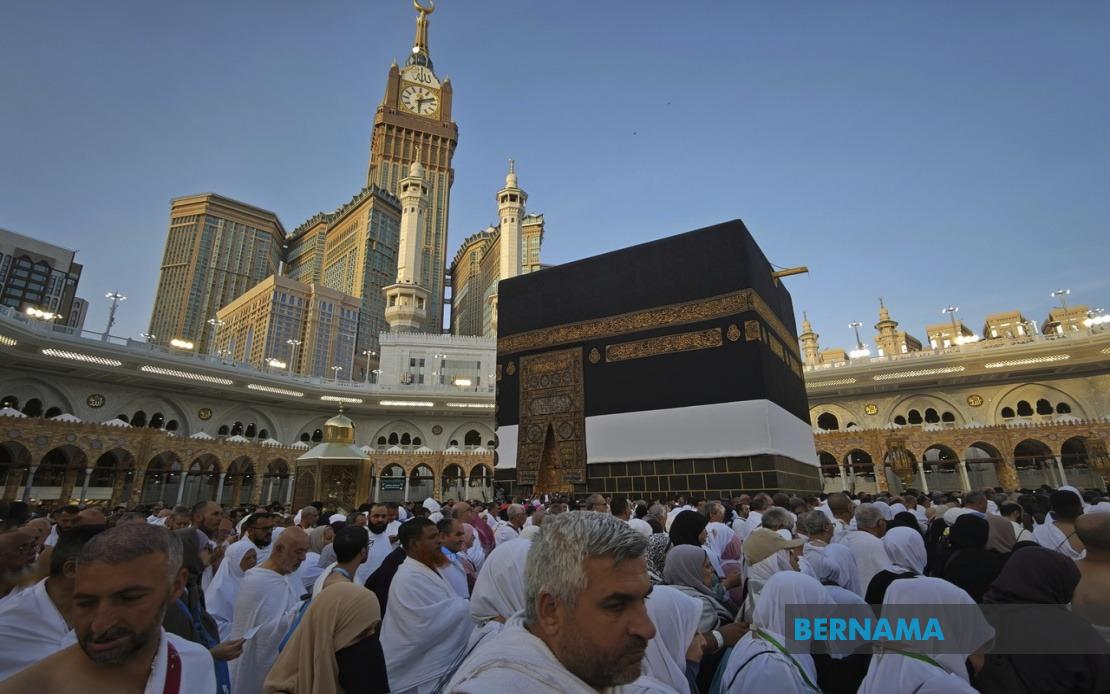
The Consulate General of Malaysia in Jeddah moved swiftly to dispel circulating misinformation on social media, issuing a formal statement confirming that every Malaysian pilgrim who undertook the sacred 1447H/2026 haj journey has now safely returned to Malaysian soil. The diplomatic mission's intervention came in response to unverified posts suggesting that some Malaysian worshippers remained stranded in the kingdom, a claim that the consulate categorically rejected as baseless.
According to the official statement released on Sunday, the return of all haj pilgrims followed the predetermined schedule established by Tabung Haji, the government-administered fund that manages Malaysia's pilgrimage operations. This adherence to timeline underscores the coordinated nature of Malaysia's annual haj logistics, a complex undertaking involving tens of thousands of pilgrims and requiring meticulous planning across multiple agencies and diplomatic channels. The successful completion of the entire cohort's return journey represents the culmination of months of preparation and execution by Malaysian authorities.
The consulate's statement carried a clear message: "There are no Malaysian haj pilgrims remaining in Saudi Arabia under the 1447H/2026 Haj operations." This categorical assurance was designed to cut through the noise of unverified claims spreading across social media platforms, where misinformation about overseas Malaysians can spread rapidly and cause unnecessary alarm among families of returning pilgrims. The timing of such rumours—often circulating in the days following mass pilgrimage events—reflects a common pattern where logistical complexities or communication gaps fuel speculation.
For Malaysian families with relatives undertaking the haj, the confirmation provides reassurance about their loved ones' safe passage. The haj remains one of Islam's five pillars and carries profound spiritual significance for Muslim Malaysians, making the pilgrimage a matter of deep concern for extended families across the country. When misinformation emerges suggesting delays or difficulties, it can trigger anxiety and uncertainty among waiting families who are naturally eager for definitive news of their pilgrims' wellbeing and return.
The consulate's decision to specifically address and deny the social media claims reflects an increasingly important diplomatic function: combating false narratives in the digital age. As Malaysian missions abroad face growing challenges from viral misinformation, official communication through verified channels has become essential to maintaining public confidence in government-managed overseas operations. This proactive approach demonstrates how diplomatic missions now operate across both traditional and digital information landscapes.
Tabung Haji's management of the return schedule highlights the institutional framework underlying Malaysia's haj programme. The fund, which has managed Malaysian pilgrims' journeys for decades, maintains rigorous protocols for both the outbound and return phases of the pilgrimage. These procedures encompass medical screening, logistical coordination with Saudi authorities, and careful orchestration of flight schedules to ensure orderly movement of pilgrims from the holy cities back to Malaysia across multiple departure windows.
The broader context of Malaysia's haj operations underscores why such confirmations matter. Each year, Malaysia sends one of the largest pilgrim contingents globally, with numbers reaching tens of thousands during peak years. Managing such volume requires coordination between Malaysian religious authorities, the health ministry, civil aviation officials, and international partners. Any disruption or delay to the scheduled return can affect thousands of families and generate significant public concern if not addressed transparently.
The consulate's accompanying appeal for the public to rely on official sources represents a wider message about information literacy and the dangers of unverified claims. In an era where viral posts can influence public perception within minutes, government institutions increasingly emphasize the importance of consulting authorized channels for accurate updates. This is particularly crucial for matters involving citizen welfare abroad, where misinformation can undermine confidence in government institutions' ability to safeguard nationals overseas.
The incident also highlights vulnerabilities in how information flows during major national events. The haj, drawing pilgrims from diverse geographic and demographic backgrounds across Malaysia, generates intense public interest and media scrutiny. This attention, while reflecting the pilgrimage's cultural importance, can also create space for false narratives to spread, particularly when there are natural delays or communication lags during the complex logistics of moving pilgrims across international borders and multiple airports.
Moving forward, the consulate's firm denial aims to restore certainty among Malaysian families and the broader public. For those who had heard or seen the viral claims, the official statement provides definitive reassurance. The emphasis on consulting official sources rather than unverified social media posts also carries a subtle educational message about the importance of verification in the information age. As digital platforms continue reshaping how news spreads, government bodies like Malaysia's consulates must remain vigilant in addressing falsehoods quickly and authoritatively.
The successful return of the 1447H/2026 haj cohort represents not just a logistical achievement but also a demonstration of Malaysia's capacity to manage large-scale overseas operations under the watchful eye of millions of stakeholders at home. The consulate's intervention to correct the record, though responding to misinformation, ultimately reinforces public trust in the institutions charged with safeguarding Malaysian pilgrims' journeys through one of the world's most significant religious gatherings.

