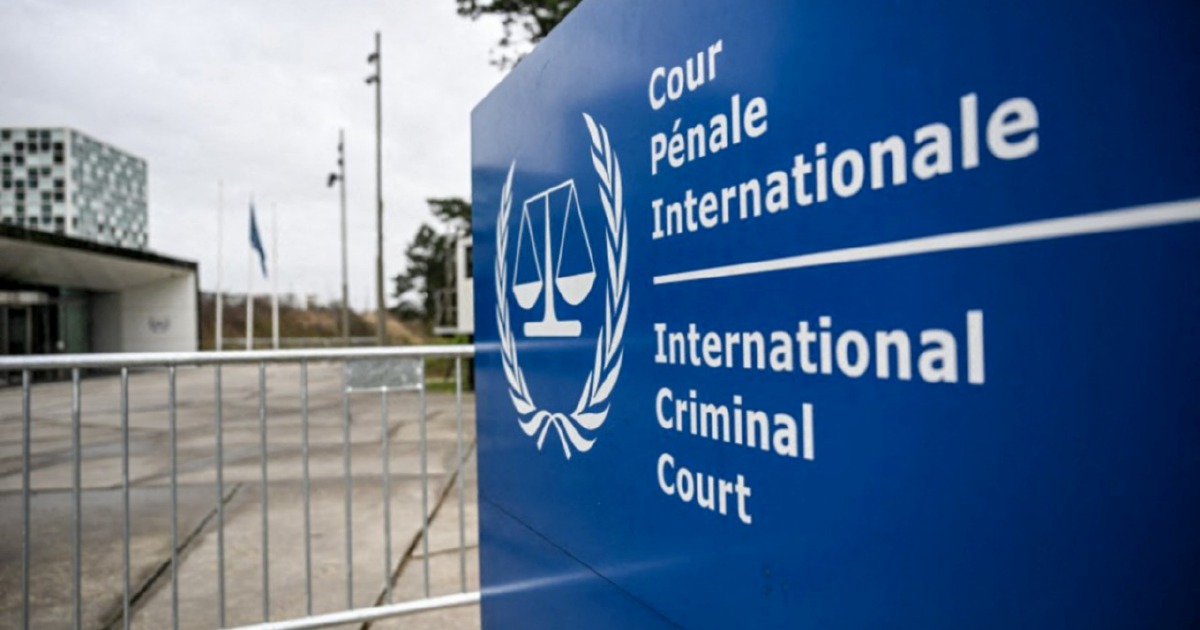
A Malaysian legal professional at the centre of serious allegations against International Criminal Court chief prosecutor Karim Khan has emerged from anonymity to defend herself publicly, addressing mounting speculation about her identity and motivations. The woman, whose initial complaints were filed under confidentiality protections, revealed herself to media outlets including CNN, citing frustration at how her silence had been exploited by various parties seeking to discredit her testimony or advance competing narratives.
The decision to break anonymity represents a significant turning point in the controversy surrounding Khan, whose tenure at the ICC has become increasingly contentious. For months following the surfacing of sexual misconduct allegations, the prosecutor's office and his allies engaged in intensive damage control, during which numerous conspiracy theories emerged regarding the source and true intentions behind the complaints. The Malaysian lawyer's public appearance signals her determination to reclaim agency over her own story and ensure that facts, rather than speculation, dominate discussions about what occurred.
Among the most persistent allegations levelled against her credibility was an insinuation that her complaints were somehow coordinated with or influenced by the Israeli government seeking to undermine Khan's investigations into potential war crimes in Gaza. This narrative, promoted by some observers and media outlets sympathetic to Khan, suggested that her motivations were geopolitically motivated rather than rooted in genuine grievances. The lawyer has categorically rejected such characterisations, framing them as attempts to deflect attention from the substance of her allegations by personalising and politicising the matter.
The emergence of unfounded claims linking her to foreign governments highlights a troubling pattern whereby accusations of sexual misconduct are sometimes weaponised in institutional disputes. When powerful figures face credible allegations, defenders frequently pivot toward attacking accusers' credibility or suggesting hidden agendas, a dynamic that experts recognise as particularly damaging to victims of workplace harassment and assault. In Khan's case, this defensive strategy has generated numerous false narratives that circulated widely within media ecosystems before being adequately examined or verified.
The lawyer's decision to step into public view also reflects broader developments within the ICC and international justice discourse. As an institution already facing criticism over its effectiveness and political independence, the prosecutor's office has become a focal point for those questioning whether the court can function fairly. Khan's own controversial decisions—particularly regarding investigations into allegations by Ukraine and his conduct toward colleagues—had already damaged confidence in his leadership before the sexual misconduct allegations surfaced.
For Malaysian observers and Southeast Asian stakeholders in international law, this case carries particular relevance given Malaysia's complicated relationship with the ICC. The country has followed international justice developments closely, and the unfolding Khan saga demonstrates vulnerabilities within global accountability institutions that extend far beyond individual misconduct. When chief prosecutors face serious allegations that are then obscured by partisan narratives, the integrity of the entire institution suffers.
The anonymity that initially protected the lawyer also enabled others to construct competing versions of events without constraint from factual contradiction or her direct voice. This dynamic—wherein the accused maintains institutional resources and credibility while the accuser remains voiceless—illustrates why sexual harassment victims frequently avoid formal complaints within hierarchical environments. By remaining silent, the lawyer could not defend herself, yet her silence was weaponised as evidence that her allegations lacked substance or reflected ulterior motives.
Speaking to international media, the lawyer articulated how her initial confidentiality protections, intended as a safeguard, had instead become a liability in managing public perception of events. Without the ability to respond directly to allegations about her motivations and background, misinformation flourished. Her public statement thus constitutes not merely a personal vindication but a necessary correction of the record that had become dangerously distorted through months of uncontested speculation.
The implications for institutional reform within the ICC remain substantial. This episode reveals how institutions can inadvertently undermine complainants even while ostensibly protecting them through confidentiality procedures. When anonymity prevents accusers from directly addressing attacks on their credibility, it creates conditions favouring institutional actors and their defenders, who benefit from information asymmetry and unequal access to platforms.
Moving forward, the Khan matter will likely inform discussions about due process protections for both accusers and accused within international organisations. The case has exposed tensions between confidentiality safeguards and the necessity of allowing complainants meaningful opportunity to defend themselves against distortions of their narratives. For Malaysian legal professionals and those elsewhere who work within international justice frameworks, these questions about institutional accountability and transparency carry direct professional consequences.
The lawyer's emergence into public view also underscores the personal costs borne by those willing to challenge powerful figures within hierarchical institutions. Her decision to speak despite risks reflects commitment to accountability that extends beyond self-interest, even as critics attempt to reduce her motivations to geopolitical calculation. Whether her public statement will substantially alter the trajectory of investigations into Khan remains uncertain, but her reclamation of narrative agency represents a meaningful assertion of voice within institutional processes that have historically privileged powerful actors over vulnerable ones.

