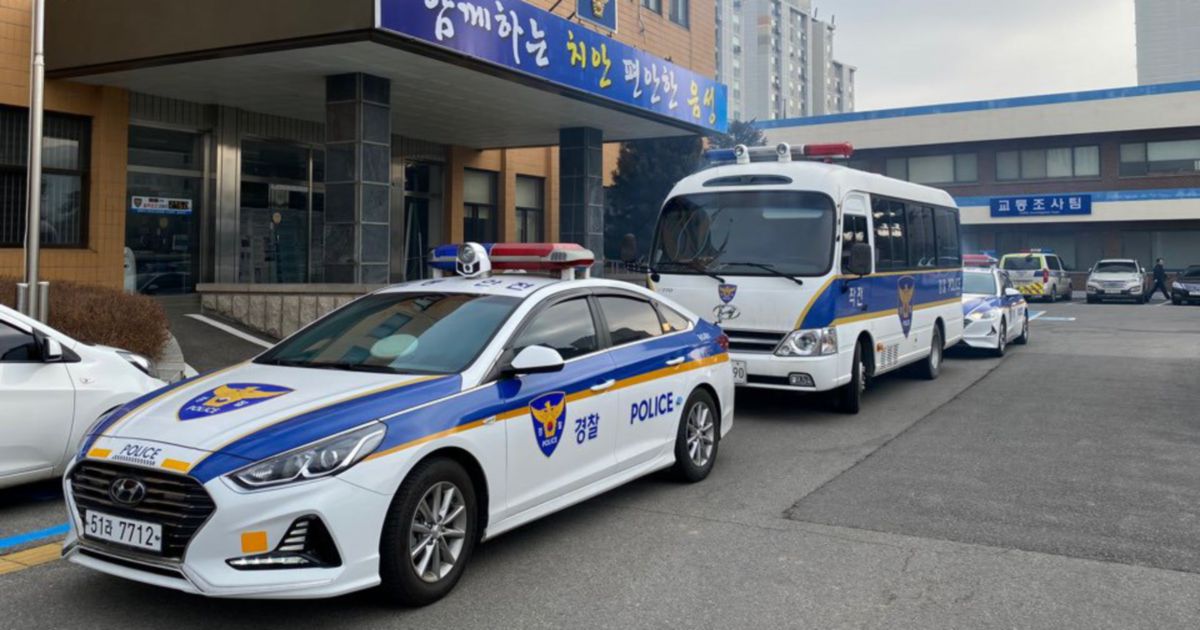
A Malaysian national lost his life in a street confrontation involving multiple foreign individuals in South Korea's North Chungcheong Province during the early hours of Sunday morning, according to regional reports and local authorities. The incident marks a serious escalation in what appears to have begun as a dispute between two separate groups of foreigners and has raised concerns about the safety of Malaysian workers and travellers in the country.
Local police and emergency responders were dispatched to the scene after reports of the brawl came in during the predawn hours. Initial accounts indicate that the altercation involved numerous participants and became sufficiently violent to result in fatal injuries to one of the Malaysian nationals involved. The circumstances surrounding how the fight commenced and the sequence of events that led to the fatality remain under investigation by South Korean law enforcement authorities.
Among those detained in connection with the incident is another Malaysian citizen, who has been taken into custody by South Korean police. The arrested Malaysian's precise involvement in the brawl and the charges being considered against him have not yet been formally disclosed to the public. This dual involvement of Malaysian nationals—one as the victim and another in custody—underscores the complexity of the situation and the need for thorough investigation.
The killing has prompted heightened attention from Malaysian diplomatic and consular officials, who have been notified of the incident and are working to gather additional information from local South Korean authorities. The Malaysian Embassy in South Korea typically becomes involved in such cases to ensure that the rights of Malaysian nationals are protected and that proper consular assistance is provided to families and any detained citizens.
Investigators are working to establish a comprehensive timeline of events and identify all individuals involved in the altercation. Understanding the triggers for the confrontation—whether it stemmed from a personal dispute, a case of mistaken identity, alcohol-fuelled aggression, or a broader conflict between organised groups—will be crucial to determining culpability and appropriate legal consequences. South Korean police have not yet released detailed statements about the nationality composition of both groups involved.
The incident serves as a sobering reminder of the risks that Malaysians abroad face, particularly in late-night social settings where alcohol consumption and heightened emotions can rapidly escalate minor disagreements into serious violence. Major South Korean cities and entertainment districts have occasionally been flashpoints for altercations involving foreign nationals, reflecting the large number of international residents and tourists present in the country.
Malaysian nationals working or studying in South Korea number in the thousands, encompassing students at major universities, professionals in technology and manufacturing sectors, and service industry workers. The vast majority conduct themselves responsibly and integrate well into South Korean society. However, cases like this underscore the importance of community awareness regarding personal safety, conflict avoidance, and understanding of local laws that may differ significantly from Malaysian legal frameworks.
South Korea's legal system takes violent crimes, including assault resulting in death, with considerable seriousness. Depending on the circumstances—such as whether the alleged actions were in self-defence, whether weapons were used, and the degree of premeditation—charges could range from simple assault to more severe categories. The detained Malaysian will likely require legal representation and may face substantial legal consequences if convicted.
The consular resources required to assist in such cases place significant demands on embassy staff, particularly in matters requiring translation services, legal coordination, and support for grieving families. Malaysian diplomatic missions in Seoul typically maintain crisis protocols for assisting nationals involved in serious incidents, though the complexity increases considerably when a Malaysian is both victim and alleged perpetrator, as seems to be the situation here.
This tragedy adds to the growing body of incidents involving Malaysian nationals in international incidents requiring formal investigation and diplomatic engagement. Malaysian authorities have previously issued safety advisories to citizens travelling or working abroad, emphasising the importance of exercising caution in unfamiliar environments, avoiding confrontations, and being aware of local laws and cultural norms. Awareness campaigns have highlighted the particular vulnerabilities faced by young Malaysians far from home, who may lack experience in navigating complex social situations abroad.
The outcome of the South Korean investigation will likely influence how Malaysian authorities approach consular safety messaging and support mechanisms for their nationals overseas. Should the arrested Malaysian be convicted, his family will face the additional challenge of maintaining contact and potentially arranging visits to a foreign penal system, adding emotional and financial strain to an already tragic situation.

