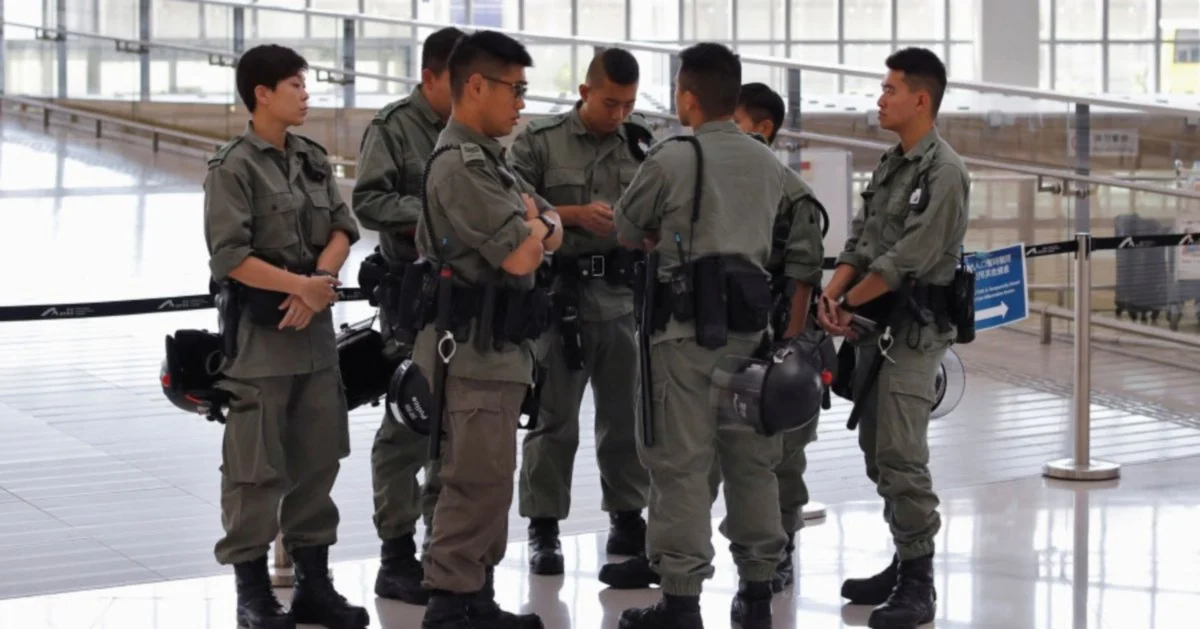
A Malaysian teenager has been detained at Hong Kong International Airport following the discovery of a substantial quantity of cannabis during a baggage inspection. The 19-year-old was apprehended on July 9 after 3kg of cannabis buds were found hidden among his possessions, marking a significant narcotics seizure at one of Asia's busiest aviation hubs.
The arrest highlights the persistent challenges faced by airport security authorities across the region in detecting drug smuggling attempts. Hong Kong's Customs and Excise Department operates under stringent protocols at the airport, employing advanced scanning technologies and trained detection dogs to intercept contraband. The discovery of such a substantial quantity in a single bag underscores how traffickers continue attempting to move narcotics through major transportation corridors despite enhanced vigilance.
For Malaysian nationals, this incident carries serious legal implications. Hong Kong maintains among the world's harshest drug trafficking penalties, with possession of controlled substances triggering mandatory prison sentences and substantial fines. The volume discovered—3kg—crosses well beyond personal consumption thresholds into trafficking territory under Hong Kong law, potentially exposing the teenager to decades of incarceration.
This case reflects broader regional patterns where young couriers, often from Southeast Asia, are recruited to transport drugs across international borders. Intelligence agencies suggest smuggling networks frequently target individuals from less wealthy backgrounds, offering substantial payments that prove difficult to resist. The relatively low apprehension rate at major airports may create a false sense of security among traffickers, who continue employing increasingly sophisticated concealment methods.
Malaysia itself faces mounting pressure from regional drug trafficking operations. The country serves as both a transit hub and consumption market, with enforcement agencies combating suppliers who exploit its geographical position connecting major production regions in the Golden Triangle with lucrative markets in East Asia and beyond. Youth involvement in such operations represents a particular concern for Malaysian authorities, suggesting recruitment networks have expanded their reach into younger demographics.
The Hong Kong arrest may trigger diplomatic communications between Malaysian and Hong Kong authorities. Consular services typically become involved following arrests of foreign nationals, with embassies providing legal assistance and monitoring proceedings. The complexity of cross-border drug cases often requires coordination between jurisdictions, particularly regarding evidence handling and testimony collection.
For Malaysian families, such incidents carry devastating personal consequences alongside legal ramifications. The teenage years represent critical developmental periods, and involvement in international drug trafficking can permanently derail educational prospects and career trajectories. Incarceration abroad, separated from family support networks, compounds psychological trauma during formative years.
The quantity seized—3kg—represents sufficient volume to supply regional markets over extended periods, suggesting the intended distribution network extended beyond simple personal use. Street-level retail pricing for cannabis buds in Hong Kong and neighbouring territories would place this shipment's street value substantially higher than the substance's acquisition cost, indicating organized trafficking infrastructure involvement.
Security experts emphasize that major airports remain prime targets for smuggling operations because of the high volume of daily passenger movements and the time constraints limiting thorough individual inspections. However, technological advances in baggage screening, coupled with intelligence-driven targeting of high-risk routes and passenger profiles, have incrementally improved detection rates. The July 9 seizure exemplifies how these systems, while imperfect, continue disrupting trafficking attempts that otherwise might reach destination markets.
The incident also reflects evolving patterns in Southeast Asian drug trafficking, where cannabis operations have expanded significantly alongside traditional heroin and methamphetamine networks. Legalization movements in certain jurisdictions have created supply-demand imbalances, with cultivators in regions lacking legal frameworks seeking markets where cannabis remains prohibited and commands premium prices.
Moving forward, this case underscores why regional law enforcement bodies emphasize public awareness campaigns targeting youth. Education initiatives highlighting the severe consequences of international drug trafficking, combined with economic opportunity programmes providing legitimate alternatives to trafficking recruitment, represent long-term strategies for reducing youth involvement in narcotic smuggling.
The arrested teenager's case now enters Hong Kong's judicial system, where proceedings will determine sentencing based on aggravating and mitigating factors. Malaysian consular staff will monitor developments closely, while the incident serves as a stark reminder to potential smugglers regarding the formidable risks accompanying international drug trafficking operations.

