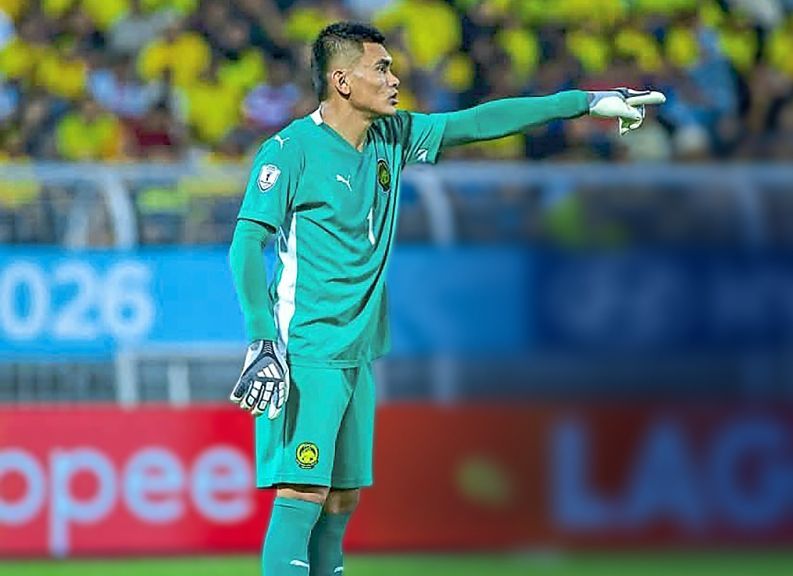
Malaysia's hopes of progressing to the Hyundai AFF Cup final took a significant blow on Sunday when they crashed to a 2-0 defeat against Vietnam in the semi-final first leg at the Cheras Football Stadium in Kuala Lumpur. The result leaves Harimau Malaya with an arduous task ahead as they prepare for the return fixture in Hanoi, where they must find a way to overturn the deficit against one of Southeast Asia's strongest football nations.
The encounter proved particularly frustrating for the home side, as Malaysia created genuine opportunities throughout the match but failed to capitalise on them when it mattered most. The tactical discipline shown by Vietnam's defence, coupled with their clinical finishing on the counter-attack, proved the decisive factors in determining the outcome. For Malaysian supporters accustomed to competitive performances in regional tournaments, this performance raised uncomfortable questions about the team's ability to execute under pressure against top-tier opposition.
Complications emerged early when Malaysia's defensive stability was compromised in just the 15th minute. Centreback Rodney Celvin Akwensivie suffered an injury that forced him off the pitch, requiring young centreback Aysar Hadi Sapri to enter the fray as a replacement. This enforced change would subtly influence Malaysia's organisational shape throughout the remainder of the encounter, particularly during defensive set-pieces where the absence of a more experienced personnel in the backline could be felt.
Malaysia's most compelling moment arrived midway through the opening period when they squandered two clear-cut scoring opportunities within three seconds of each other. Captain and striker Paulo Josue was presented with a tap-in after leftback Faris Danish Asrul delivered a low, drilling cross into the Vietnamese penalty area, only to see his effort parried away by goalkeeper Patrick Le Giang. The immediate rebound fell invitingly for midfielder Daryl Sham George, whose responsibility to convert from virtually on the goal-line should have been routine, yet he inexplicably skied the ball into the stands. The magnitude of those misses became all the more apparent as the match developed.
Vietnam capitalised on Malaysia's wastefulness before the interval when midfielder Xuan Son found himself completely unmarked in the penalty box and powerfully headed home a delightful cross delivered by wingback Truong Tien Anh in the 37th minute. The goal appeared to stem from a lapse in Malaysian concentration, a vulnerability that defending champions have historically exploited against less disciplined opponents. This opening goal shifted the psychological balance considerably in Vietnam's favour.
The second period witnessed a tactical recalibration from interim coach Tan Cheng Hoe, who sought to establish greater midfield control and passing rhythm in an attempt to create more scoring opportunities. Malaysia's possession increased noticeably, though Vietnam remained content to defend compactly and await opportunities to strike through rapid counter-attacking movements that repeatedly tested the Malaysian rearguard. The contrast in approaches highlighted differing philosophies, with Malaysia pursuing an attacking blueprint while Vietnam prioritised defensive solidity.
A significant moment unfolded in the 60th minute when goalkeeper Patrick Le Giang appeared to have committed a deliberate handball offence outside his penalty area, prompting referee Rustam Lutfullin to brandish a red card. The decision initially suggested that Malaysia might capitalise on the resulting numerical advantage, yet the intervention of video assistant referee technology overturned the call after closer examination revealed that Le Giang had not actually used his hands to clear the ball. The reversal proved consequential, as Malaysia's hopes of pressuring Vietnam's defence with a one-player advantage evaporated.
Despite Tan Cheng Hoe introducing fresh attacking impetus through the substitution of winger Haqimi Azim Rosli and midfielder Ibrahim Manusi, making his international debut, for Mahamadou Sumareh and Syafiq Ahmad respectively, Malaysia's attacking endeavours yielded insufficient returns. Vietnam's defensive organisation remained resolute, and the tactical adjustments failed to unlock the passages of play necessary to breach their organised rearguard.
The cruel blow arrived in the 86th minute when leftback Faris Danish Asrul, who had performed admirably throughout the contest, deflected the ball past his own goalkeeper to compound Malaysia's misery. Own goals carry particular psychological weight in football, representing failures in concentration rather than dominant opposition play, and the sting of this concession overshadowed whatever positive aspects Malaysia's display might have contained.
With the first leg now concluded, Malaysia confronts an extraordinarily difficult challenge heading to Hanoi's MyDinh Stadium for the second leg. Historically, Vietnam performs with considerable confidence on home soil within the AFF Cup context, and the burden of needing to score multiple goals whilst maintaining defensive discipline represents a formidable proposition. Nevertheless, football's unpredictable nature suggests that Malaysia cannot be entirely discounted, particularly if they demonstrate the intensity and precision in front of goal that eluded them at Cheras. The narrative of this semi-final remains incomplete, though the arithmetic now heavily favours the defending champions progressing to pursue another regional title.

