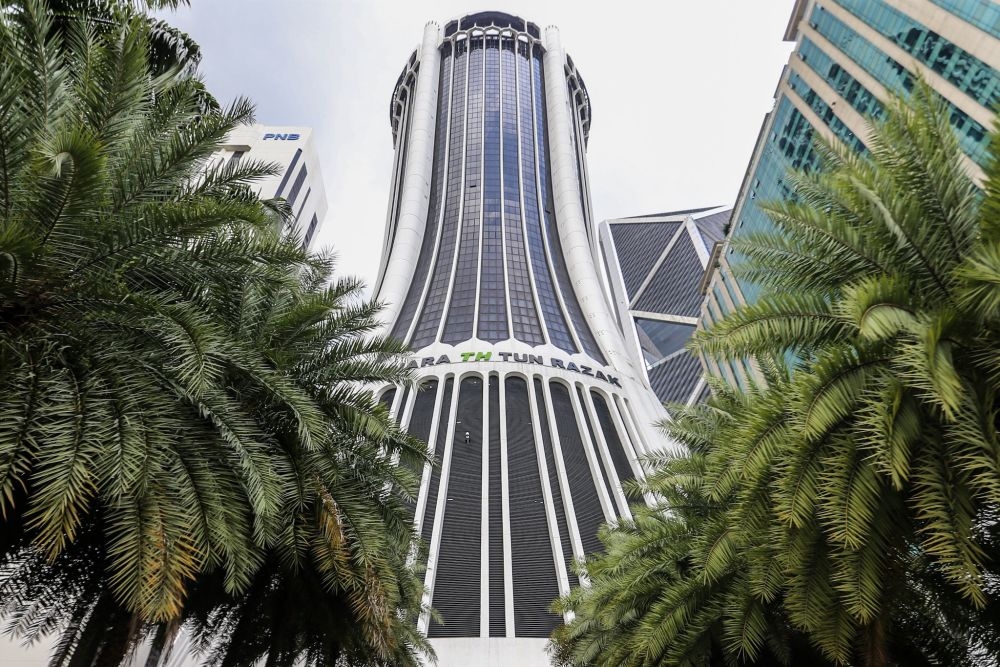
Malaysia's three principal enforcement agencies have shifted into high gear following the release of findings from a Royal Commission of Inquiry into Tabung Haji, the country's Islamic pilgrimage fund. The Malaysian Anti-Corruption Commission (MACC), Royal Malaysia Police, and the Inland Revenue Board (IRB) are now coordinating efforts to investigate serious allegations of governance lapses, financial mismanagement, and suspected irregularities that had accumulated over years within the institution.
The escalation represents a significant turning point in official accountability regarding Tabung Haji's troubled operations. Prior to the RCI report's publication, public awareness of the fund's difficulties remained limited despite mounting losses and administrative concerns that had plagued the organisation. The Royal Commission's findings have provided enforcement agencies with a comprehensive framework and documented evidence base from which to launch formal probes into specific individuals and entities implicated in the alleged wrongdoing.
Tabung Haji, established as a savings scheme to assist Malaysian Muslims in financing their hajj pilgrimage to Mecca, had faced mounting scrutiny over its financial performance and investment decisions in recent years. The fund had reported significant portfolio deterioration, triggering questions among policymakers and observers about how such substantial losses had accumulated within an institution entrusted with managing the savings of hundreds of thousands of Malaysian pilgrims. The RCI's mandate was to thoroughly examine the circumstances surrounding these failures and identify responsible parties.
The coordinated action by multiple agencies underscores the seriousness with which the government views the RCI's conclusions. MACC typically focuses on corruption-related breaches and abuse of power; police involvement suggests potential criminal conduct beyond corruption; while the IRB's engagement indicates tax compliance and financial reporting irregularities may form part of the investigative scope. This multi-agency approach enables comprehensive examination of conduct that may span different legal frameworks and regulatory domains.
For ordinary Malaysians holding Tabung Haji accounts, the investigations carry profound implications for their accumulated savings and future pilgrimage plans. Many Malaysians rely on this fund as their primary savings vehicle for the hajj experience, viewing it as both a religious obligation and a cherished life milestone. The revelations of mismanagement have understandably caused distress among account holders who entrusted their money to an institution backed by government oversight and religious governance structures.
The investigations will likely extend to examining investment decisions made by Tabung Haji's board and management over an extended period. Questions centre on whether poor investment choices, inadequate risk management, and possible conflicts of interest contributed to the fund's deteriorating financial position. Particular attention will focus on any decisions that prioritised other objectives—whether commercial ventures, real estate investments, or acquisitions—at the expense of protecting pilgrims' savings. The RCI report presumably identified such decisions with sufficient specificity to warrant formal criminal investigation.
The regional and international dimensions of this probe warrant consideration for Malaysian business confidence more broadly. Foreign and domestic investors monitor how Malaysian authorities handle governance failures within state-linked institutions. A robust, transparent investigation into Tabung Haji demonstrates institutional accountability and respect for the rule of law, qualities that reinforce investor confidence. Conversely, any perception of whitewashing or selective enforcement would damage Malaysia's reputation for institutional integrity.
Historical context proves instructive here. Malaysia has previously undertaken RCI inquiries into institutional failures, though the transition from inquiry findings to sustained enforcement action has sometimes been uneven. The current multi-agency commitment suggests determination to avoid that pattern repeating with Tabung Haji, though observers will monitor whether investigations conclude expeditiously or face delays that undermine public confidence in the process.
The involvement of the IRB merits particular attention, as it suggests investigations may encompass tax-related dimensions beyond the core governance and corruption questions. This could include examination of whether proper tax reporting occurred for certain transactions, whether individuals benefited from financial irregularities in ways that triggered tax obligations, or whether related entities maintained appropriate compliance with revenue regulations. Such inquiries often take considerable time to complete comprehensively.
For Tabung Haji's current leadership and stakeholders, the investigations represent an existential challenge requiring institutional reform. Regardless of investigation outcomes, the institution faces urgent imperatives to restore stakeholder confidence through enhanced governance, transparent reporting, and demonstrable improvements in financial stewardship. The fund's future viability depends substantially on pilgrims' continued willingness to save through its mechanisms rather than alternative vehicles.
The broader governance implications extend to Malaysian state-linked enterprises generally. Tabung Haji's troubles have prompted scrutiny of whether adequate oversight mechanisms exist across Malaysia's substantial network of government-linked companies and statutory bodies. Policymakers and watchdog groups have increasingly questioned whether board appointment processes, audit functions, and accountability mechanisms adequately protect public interests within these institutions. The Tabung Haji investigations may therefore serve as a catalyst for wider governance reforms across Malaysia's institutional landscape.
Completing these investigations thoroughly while maintaining public confidence constitutes a delicate balance. Malaysians have demonstrated increasingly sophisticated expectations regarding institutional accountability and transparent justice. The enforcement agencies' performance in this high-profile case will likely influence public perception of Malaysia's commitment to the rule of law and institutional integrity during a period when such confidence has experienced testing from various quarters.

