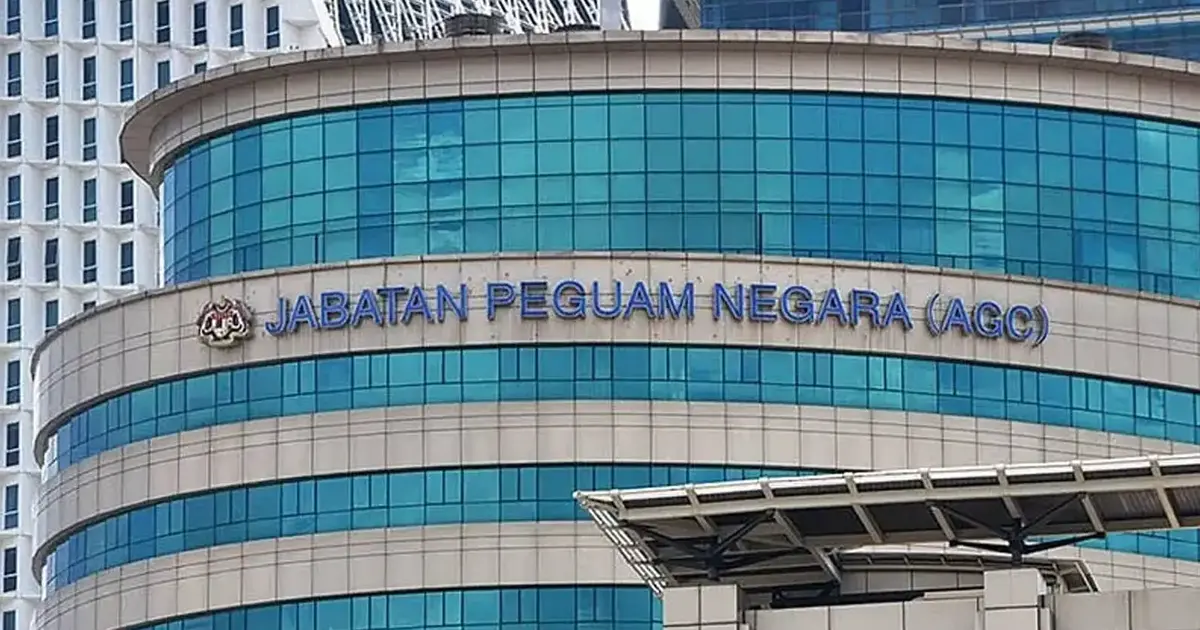
The Attorney General's Chambers is still in the process of evaluating investigation documents related to the Durian Tunggal matter, a month after receiving a resubmitted batch of case files. The prolonged examination underscores the complexity of the legal proceedings and the meticulous approach authorities are taking in their review. The Home Minister has made a public appeal for all stakeholders to respect the legal framework and permit the investigation to progress without external pressure or interference.
This latest development marks another chapter in what has become a protracted administrative process. The resubmission of investigative materials represents the fourth occasion on which documents have been forwarded to the Attorney General's Chambers for scrutiny, suggesting that previous submissions may have been incomplete or required supplementary information to satisfy prosecutorial standards. Each cycle of resubmission typically indicates that investigators or the initial reviewing authorities identified gaps or inconsistencies requiring clarification before the matter can proceed to the next stage of legal action.
The Attorney General's Chambers, as Malaysia's principal prosecuting authority, carries the responsibility of determining whether sufficient grounds exist to institute criminal proceedings. This determination demands careful examination of evidence, legal precedent, and applicable statutes. The extended timeline reflects the rigorous standards that must be met before charges can be recommended, particularly in cases that attract significant public and political attention. Such deliberation, while potentially frustrating to those awaiting resolution, serves an essential function in ensuring that any prosecution is grounded in solid legal foundations.
The Home Ministry's intervention with a call for patience represents a measured governmental response designed to manage public expectations and discourage premature speculation about outcomes. Officials recognize that complex investigations cannot be rushed without compromising the integrity of the legal process. By publicly framing the matter as subject to established procedures, the government aims to insulate the proceedings from political pressure and demonstrate commitment to rule of law principles. This stance carries particular significance given Malaysia's international standing on judicial independence and anti-corruption efforts.
The repeated resubmission cycle raises questions about coordination between investigating agencies and prosecutorial bodies. Effective case management typically requires clear communication channels and explicit guidelines about what constitutes a complete and adequate submission. The fourth resubmission may reflect either evolving investigative findings that necessitate updated documentation, or procedural issues in how initial submissions were prepared. For Malaysian observers and the international community monitoring the country's legal governance, the pace and nature of these exchanges matter considerably for confidence in institutional competence.
Regionally, Malaysia's handling of high-profile legal matters carries implications beyond national borders. Southeast Asian nations and international observers frequently assess the credibility of another country's legal system by examining how such cases are managed. Protracted delays, if perceived as deliberate or politically motivated, can undermine confidence in institutional impartiality. Conversely, thorough and systematic examination, even if time-consuming, projects an image of institutional seriousness and commitment to proper procedure. The manner in which Malaysian authorities navigate this case will resonate across the region's political and business communities.
The Durian Tunggal investigation exists within a broader context of Malaysia's ongoing efforts to strengthen governance and prosecutorial capacity. Following the major anti-corruption campaigns of recent years, heightened scrutiny applies to how federal agencies handle sensitive cases. The Attorney General's Chambers operates with the knowledge that its decisions are subject to public and parliamentary scrutiny, and that any perceived mishandling could fuel broader debates about institutional credibility. This pressure, while constraining, also reinforces the importance of methodical and defensible decision-making processes.
From a practical standpoint, the extended review period affects numerous stakeholders. Individuals potentially implicated in the matter face prolonged uncertainty regarding their legal status. Witnesses and those with knowledge of events cannot move forward with their lives pending resolution. The broader public, invested in outcomes that affirm rule of law or institutional accountability, experiences growing frustration. Yet legal systems fundamentally cannot operate according to public impatience or political convenience without sacrificing their foundational integrity. The challenge for any prosecutorial authority is maintaining this balance—demonstrating both efficiency and thoroughness.
The Home Minister's public statement carries institutional weight in reassuring both domestic and international audiences. By positioning the government as a custodian of proper legal procedures rather than a force seeking particular outcomes, the ministry contributes to an environment conducive to public confidence in eventual determinations. Whether the Attorney General's review ultimately results in charges, recommendations for further investigation, or closure, the legitimacy of that outcome depends significantly on how the process is perceived to have been conducted. The minister's intervention reflects understanding of these reputational stakes.
Moving forward, observers should anticipate that final determinations may still require additional time. The Attorney General's Chambers typically provides no public timeline for decisions, respecting the confidential nature of prosecutorial deliberations. Malaysian media, political commentators, and civil society will likely continue monitoring developments, but the institutional message remains clear: the legal process cannot be accelerated through external demands. For Malaysia's justice system, this case represents an opportunity to demonstrate that even matters attracting political attention can be handled with procedural integrity and professional competence, setting precedent for how future complex investigations will be managed.

