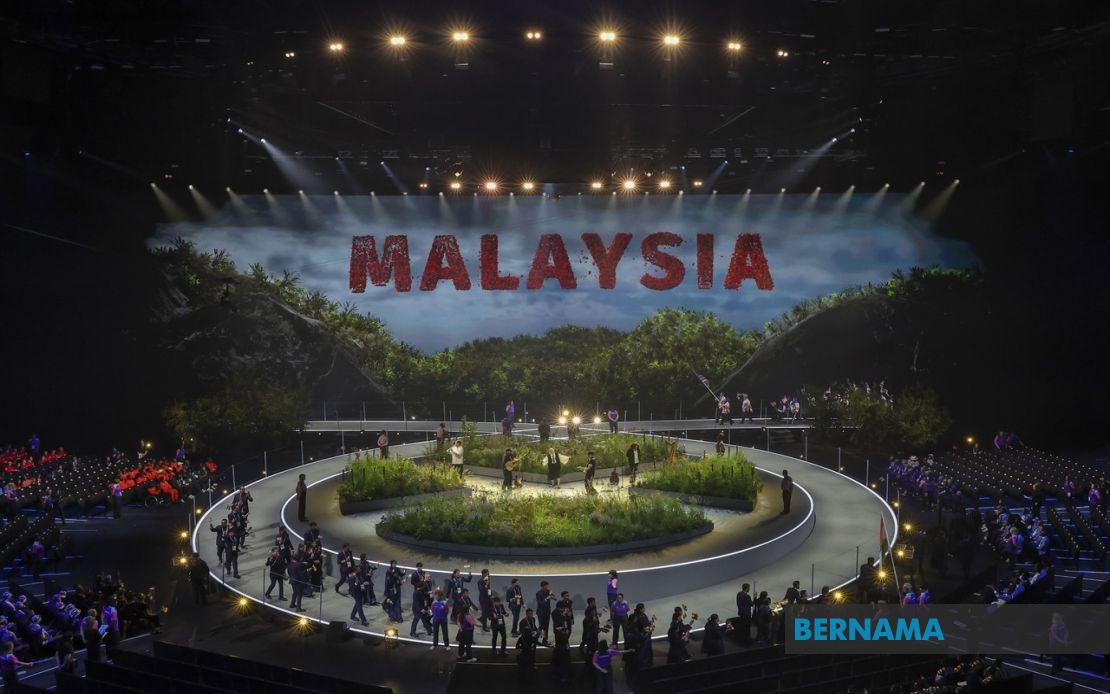
Malaysia's Cabinet has formally commended the nation's contingent for delivering an outstanding performance at the Glasgow 2026 Commonwealth Games, according to Communications Minister and MADANI Government spokesman Datuk Seri Fahmi Fadzil. The recognition came during a post-Cabinet meeting press conference in Putrajaya on Tuesday, reflecting the government's commitment to celebrating sporting achievements that elevate Malaysia's standing on the global stage.
The accolade highlights the strategic importance the government places on athletic success as a source of national pride. Fahmi underscored that the contingent's achievements are expected to galvanise other national athletes, fostering a culture of excellence that extends beyond individual competitions. By publicly endorsing the team's accomplishments through official channels, the Cabinet sends a powerful signal about the value it places on competitive sport as a vehicle for national representation and diplomatic soft power.
The Malaysian delegation's medal haul significantly exceeded initial projections. Athletes secured eight gold medals, three silver medals, and five bronze medals—a combined tally that substantially surpassed the government's pre-Games target of five gold medals. This overperformance represents one of the most impressive showings in recent Commonwealth Games history for the nation, demonstrating the quality of training, preparation, and individual athlete dedication that culminated in Glasgow.
The financial recognition of this success came through the Sports Victory Incentive Scheme (SHAKAM), a dedicated government programme designed to reward exceptional athletic performance. The Cabinet approved a payout of RM1.1 million to distribute among the medal-winning athletes, translating government commendation into tangible economic support. Such incentive structures serve dual purposes: they acknowledge outstanding individual achievement while simultaneously encouraging future generations of athletes to pursue excellence in their respective disciplines.
Contextually, Malaysia's Glasgow performance marks a significant milestone when measured against the nation's Commonwealth Games history. The 2026 medal count positions the contingent's achievement as the strongest since New Delhi 2010, when Malaysia secured twelve gold medals. That sixteen-year gap between comparable performances underscores the consistency challenges the nation faces in sustaining elite athletic competitiveness across multiple sports disciplines over extended periods. The Glasgow result therefore represents not merely an isolated success, but a potential inflection point suggesting renewed institutional investment and training methodologies may be yielding measurable returns.
The Commonwealth Games platform carries particular significance for Malaysian athletes, occupying an intermediate competitive tier between domestic and Olympic-level international competition. For many sports, the Games provide crucial opportunities to develop technical skills, gain exposure to world-class opponents, and build the competitive experience necessary for Olympic preparation. Strong performances at these events strengthen the pipeline of athletes capable of performing at the highest global levels, making the Glasgow results meaningful beyond immediate medal counts.
The government's formal Cabinet-level response to sporting success reflects evolving priorities within Malaysian governance structures. By dedicating ministerial attention and financial resources to athlete recognition, the administration demonstrates alignment with public expectations that state institutions should celebrate and support national sporting endeavours. This approach differs markedly from periods when athletic achievements received minimal official acknowledgment, suggesting a deliberate policy reorientation toward sports development and promotion.
For Malaysian athletes competing internationally, government backing of this nature provides psychological reinforcement and practical motivation. The knowledge that exceptional achievements will receive official recognition and financial reward creates incentive structures that extend beyond personal satisfaction or individual sponsorship arrangements. Young athletes observing the Cabinet's response to Glasgow 2026 may be more inclined to pursue serious athletic careers, recognising that state institutions value their potential contributions to national prestige.
Regionally, Malaysia's strong showing at Glasgow positions the nation competitively within Southeast Asian athletic rankings. While direct Commonwealth Games comparisons involve broader participant pools than regional competitions, strong performances enhance Malaysia's reputation as a serious sporting nation capable of competing effectively against established athletic powerhouses. This soft power dimension carries diplomatic implications, subtly reinforcing Malaysia's regional status and contributing to broader perceptions of national capability and excellence.
Looking forward, the challenge facing Malaysian sports administration involves translating the Glasgow 2026 momentum into sustained high-level performance at subsequent international competitions. Building institutional structures that consistently produce medal-winning athletes requires long-term investment in training facilities, coaching expertise, and athlete development programmes. The RM1.1 million SHAKAM allocation addresses immediate reward mechanisms but must be complemented by infrastructure investment ensuring pipeline sustainability.
The Cabinet's endorsement also signals to international sporting bodies Malaysia's serious engagement with competitive athletics. Hosting or successfully performing at prestigious international sporting events enhances a nation's credentials for future event hosting, potentially opening pathways for Malaysia to bid for and organise major competitions. Such hosting opportunities generate economic benefits, infrastructure development, and global visibility that extend well beyond the events themselves, making strong athletic performance strategically valuable across multiple governmental priorities.

