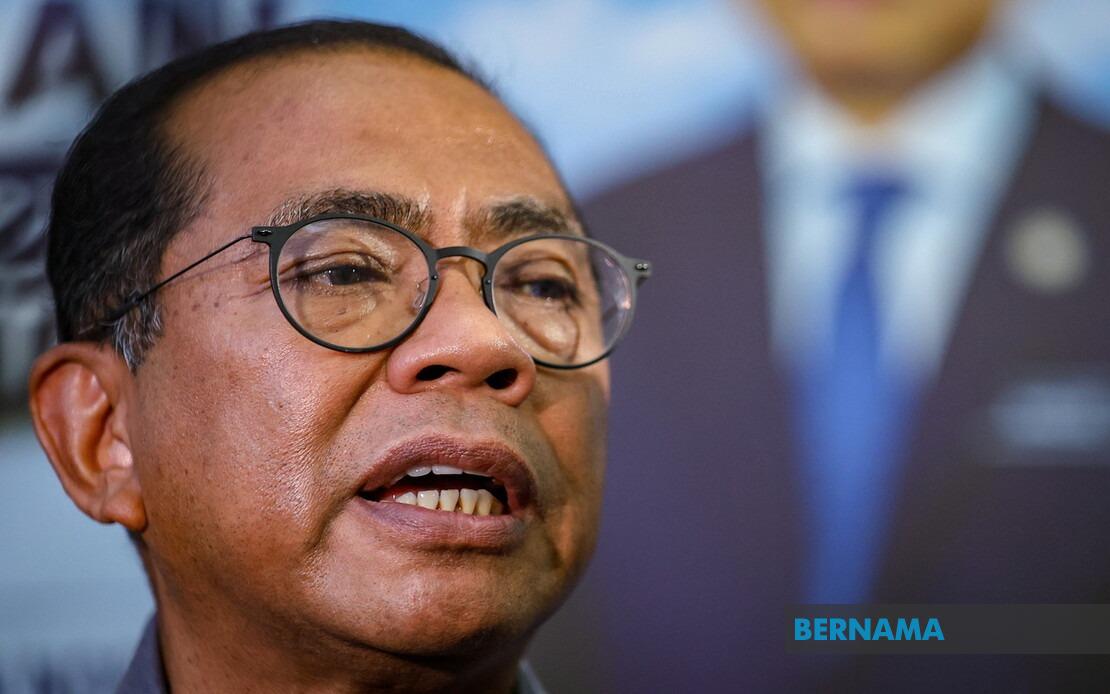
Defence Minister Datuk Seri Mohamed Khaled Nordin has touched down in Hanoi to begin a two-day official visit that underscores Malaysia's commitment to deepening military and defence partnerships with Vietnam. This inaugural trip since his appointment to the defence portfolio signals the importance both governments place on their strategic relationship in a region where security cooperation continues to evolve in response to geopolitical pressures and maritime challenges.
Mohamed Khaled arrived at Noi Bai International Airport in the Vietnamese capital on August 5, marking his first visit to the country in his current ministerial capacity. The timing of the visit reflects a broader regional trend where Southeast Asian defence ministers are actively engaging their counterparts to discuss pressing security matters, from maritime surveillance to counter-terrorism operations and strategic frameworks that promote stability across the region.
During his stay, the Malaysian delegation is scheduled to engage with senior Vietnamese leadership, including Prime Minister Le Minh Hung and Deputy Prime Minister and Minister of National Defence General Phan Van Giang. These high-level meetings are expected to address existing cooperation mechanisms and explore new avenues for collaboration that align with both nations' strategic interests and defence modernization priorities.
The foundation for this visit rests on substantive existing ties between Kuala Lumpur and Hanoi. Both countries have long maintained cooperative defence relationships underpinned by shared interests in regional maritime security, freedom of navigation, and combating transnational threats. The bilateral defence relationship has matured considerably over the past two decades, encompassing military training exchanges, joint exercises, and intelligence sharing arrangements that benefit both sides.
A particularly significant milestone in this relationship came in December 2023 when Malaysia and Vietnam renewed their Memorandum of Understanding on defence cooperation. This agreement renewal demonstrates sustained political commitment to the partnership and provides a framework for structured military engagement. For Malaysia, such arrangements are crucial given its geographic position in the Strait of Malacca and its responsibilities in monitoring one of the world's busiest sea lanes, where Vietnam's cooperation in regional maritime surveillance proves invaluable.
Mohamed Khaled has articulated clear objectives for the visit, expressing hope that the engagement will elevate the defence partnership to a more substantial level while creating tangible opportunities for mutual benefit. This phrasing reflects the Malaysian government's strategic approach of treating defence cooperation not merely as ceremonial protocol but as a practical instrument for addressing shared security challenges and building institutional capacity.
For Malaysian readers, this visit carries broader implications for regional stability and Malaysia's positioning within Southeast Asia's security architecture. As tensions persist in areas including the South China Sea and maritime boundaries remain contested, defence partnerships with neighbours like Vietnam become increasingly valuable. Such bilateral engagements complement Malaysia's participation in multilateral frameworks like the ASEAN Regional Forum and East Asia Summit, where defence and security matters figure prominently on the agenda.
Vietnam, as a fellow ASEAN member state with substantial defence capabilities and its own maritime security concerns, represents a natural partner for Malaysia. Both nations share interests in maintaining international law and order in shared maritime regions, deterring maritime accidents through improved communication channels, and ensuring that military activities do not inadvertently escalate tensions. The defence cooperation between them contributes to these broader regional objectives while strengthening individual national capabilities.
The visit also reflects practical military-to-military relationships that extend beyond political rhetoric. Defence partnerships typically encompass joint training initiatives, technology cooperation, defence equipment procurement discussions, and personnel exchanges that deepen institutional knowledge and foster professional relationships among military officers. These interpersonal and organizational connections often prove more durable than political agreements alone.
For defence planners in Kuala Lumpur, engagement with Vietnam offers opportunities to learn from a nation with substantial military experience, particularly in asymmetric warfare and counter-insurgency operations. Vietnam's defence priorities, shaped by geography and strategic position, often align with Malaysian concerns regarding border security, maritime domain awareness, and addressing non-traditional security threats including piracy and smuggling operations that cross international boundaries.
The renewal of defence cooperation agreements and high-level ministerial visits also signal to the international community that Malaysia and Vietnam are committed to stability and transparent security relationships. In an environment where some regional actors pursue more assertive military strategies, such bilateral engagement demonstrates that ASEAN nations are managing their differences through dialogue and institutional mechanisms rather than confrontation.
Mohamed Khaled's comments about elevating ties to a higher level suggest Malaysia may propose expanded cooperation in specific areas during the Vietnam discussions. These could include enhanced intelligence sharing on maritime incidents, coordinated responses to transnational crime, expanded military training exchanges, or joint capacity-building initiatives in defence technology. The specifics typically emerge through official statements following ministerial meetings.
This visit occurs against a backdrop of evolving regional security dynamics where smaller and medium-sized powers must carefully calibrate their defence partnerships to enhance security without unnecessarily provoking larger actors. Malaysia's emphasis on cooperation that benefits both nations and contributes to broader regional peace reflects a measured approach to defence diplomacy that has characterised Malaysian foreign policy across multiple administrations.

