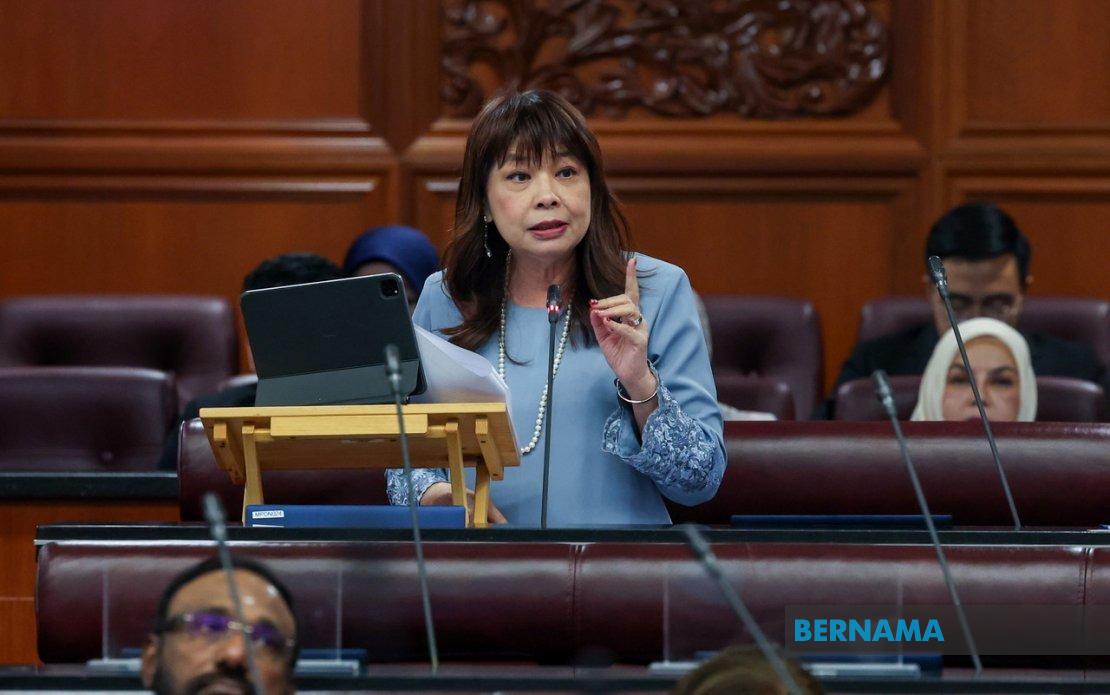
Malaysia's dedicated domestic violence helpline has fielded nearly 9,500 calls reporting household abuse over the past three years, according to figures unveiled in Parliament by Deputy Minister of Women, Family and Community Development Lim Hui Ying. The Talian Kasih 15999 service, a critical social welfare resource, recorded 9,327 domestic violence complaints between 2022 and May 2025, representing a substantial portion of the 127,000 total welfare and social assistance calls the hotline handled during the same timeframe. The revelation came during parliamentary questioning about the helpline's operational effectiveness and whether cases receive meaningful follow-up intervention.
What distinguishes Malaysia's response to domestic violence is the stated commitment to resolving all reported complaints systematically. Officials confirmed that every domestic violence case logged with Talian Kasih from 2022 through to the present has been processed to completion, indicating a comprehensive tracking mechanism across the three-year period. This completion rate demonstrates institutional capacity to handle the full spectrum of domestic abuse reports, from initial intake through final resolution or placement of victims in protective arrangements. The ministry framed this achievement as evidence of the system's responsiveness, though the absolute resolution of such cases—particularly those involving victim safety—typically requires ongoing monitoring rather than simple case closure.
Recent figures paint a sharper picture of current demand. During the five-month window from January through May 2025, the hotline received 470 domestic violence calls, of which 406 have already moved toward resolution or completion. The remaining 64 cases remain active within the intervention pipeline, suggesting a processing timeframe of approximately two to three months from initial report to substantive action. This throughput rate underscores the practical challenges facing social welfare agencies managing high case volumes whilst maintaining individualized attention to safety concerns. The relatively quick progression from intake to intervention reflects either efficient triage mechanisms or potentially compressed timelines that may not permit exhaustive investigation in every instance.
Beyond mere case statistics, the ministry's follow-up protocols reveal the practical support infrastructure available to domestic violence survivors in Malaysia. Upon hotline contact, victims can access assistance securing Emergency Protection Orders, which provide immediate legal safeguards against abusers, or Interim Protection Orders for longer-term restraint arrangements. Many victims also receive facilitated placement within safe shelters operated through government and non-governmental partnerships. These mechanisms represent the critical bridge between initial disclosure and sustained protection, transforming phone calls into concrete safeguarding measures. The availability of such protective tools distinguishes comprehensive domestic violence responses from those offering counselling alone.
An emerging demographic shift in domestic violence reporting has captured official attention and reflects changing social dynamics. Whilst women historically comprise the overwhelming majority of domestic abuse victims globally and in Malaysia, figures indicate a noticeable uptick in complaints filed by male victims seeking intervention. Although male victim numbers remain substantially smaller than female victim reports, the trending increase suggests either growing willingness among men to report abuse or genuine expansion in violence patterns affecting male household members. This development complicates the policy landscape, requiring victim protection frameworks traditionally designed around female vulnerability to accommodate men facing spousal or intimate partner violence.
The ministry's stated position reflects this evolving reality. Officials emphasised that protective mandates extend beyond gender-specific safeguarding, instead encompassing welfare support for all individuals regardless of sex or ethnic background. This inclusive framing represents a departure from traditional conceptualisations of domestic violence as primarily a women's issue, aligning Malaysian policy rhetoric with international recognition that abuse occurs across demographic categories. However, translating this principle into practice requires scrutinising whether shelter resources, counselling services, and law enforcement training accommodate male victim needs adequately or whether support systems remain structured around female-centred assumptions.
The parliamentary questioning that prompted these disclosures originated from Datuk Muslimin Yahaya, representing Sungai Besar under the Perikatan Nasional banner, who sought clarity on Talian Kasih's actual effectiveness and whether reported cases received substantive follow-up beyond initial intake. This inquiry reflects broader legislative scrutiny of social service outcomes, moving beyond funding allocations toward measurable impact assessment. The deputy minister's response attempted to demonstrate systematic case management and protective action, though observers might note that the distinction between case resolution and victim safety outcomes remains analytically important. A case can be formally closed whilst underlying household violence dynamics persist unabated.
From a Southeast Asian perspective, Malaysia's domestic violence infrastructure ranks among the region's more developed systems, though significant gaps remain evident. The 127,000 annual calls to Talian Kasih suggest substantial demand for social welfare intervention across multiple categories, with domestic violence representing approximately seven percent of total contacts. This proportion likely understates actual prevalence, as many abuse victims never report incidents to formal authorities, instead enduring violence within family networks or accessing support through religious institutions and informal community channels. The helpline thus captures primarily those sufficiently aware of formal systems and motivated to engage with state-mediated interventions.
Resource constraints continue shaping Malaysia's domestic violence response capacity. Processing 9,327 cases across three years equates to roughly 2,700 annually, distributed among a government social welfare apparatus operating across thirteen states and three federal territories. The current staffing levels, shelter bed availability, and legal aid resources underpinning these interventions remain undisclosed, raising questions about whether the state genuinely maintains adequate infrastructure for genuinely comprehensive victim protection or merely processes cases through administrative channels. Comparative evidence from Singapore, Thailand, and Indonesia suggests Malaysian services occupy a middle ground in regional capacity rankings.
Looking forward, the inclusion of male victims within Malaysia's domestic violence framework presents both opportunity and challenge for policy development. Recognising that abuse transcends gender enables more nuanced intervention strategies and potentially identifies abuse patterns previously obscured by gender-specific data collection. However, resource reallocation toward male victim support must not come at the expense of existing protections for women, who remain disproportionately affected by intimate partner violence and constitute the overwhelming majority of Talian Kasih contacts. Balancing these considerations requires careful programme design grounded in epidemiological evidence rather than political assertion of gender-neutral principles.
The Talian Kasih figures ultimately serve as a window into Malaysia's domestic violence landscape—revealing demand volumes, institutional capacity, and evolving victim demographics. The 9,327 calls since 2022 represent thousands of families navigating household violence, most of whom likely exhausted informal resolution mechanisms before contacting state authorities. Whether these contacts culminate in sustained victim safety or merely temporary protective measures remains a critical question for policy evaluation. Future assessments should extend beyond case completion rates toward victim outcome tracking, investigating whether individuals accessing Talian Kasih services experience reduced abuse recurrence and improved economic stability following intervention.

