Malaysia's Ministry of Education has entered a critical phase in readying the nation's schooling system for a significant curriculum transformation scheduled to take effect in 2027. The upcoming overhaul will initially target Year One and Form One pupils, marking the first cohorts to experience the redesigned educational framework. Education Minister Fadhlina Sidek outlined the ministry's comprehensive approach to rolling out these changes, emphasizing that preparations are underway across all administrative and institutional levels to ensure a smooth transition when the new academic structure begins next year.
The 2027 curriculum initiative forms a cornerstone of Malaysia's broader education reform agenda, which is anchored by the Malaysia Education Blueprint 2026-2035. This strategic document provides the overarching framework guiding how the nation envisions transforming its education sector over the coming decade. According to Minister Fadhlina, the blueprint functions as a "strategic compass" directing various ministry initiatives and policy decisions. The alignment between the curriculum rollout and the blueprint demonstrates a deliberate, long-term approach to systemic educational improvement, rather than piecemeal adjustments that might lack coherence or sustained momentum.
Minister Fadhlina emphasized that successful implementation of the education reform agenda hinges fundamentally on securing broad-based support and active participation from stakeholders across the entire education ecosystem. She articulated a vision requiring all parties—including educators, parents, administrators, and civil society organizations—to function as a unified team committed to advancing educational quality for Malaysian children. This collaborative framing reflects recognition that curriculum changes, no matter how well-designed, encounter resistance or implementation gaps without genuine buy-in from those directly involved in schools and communities.
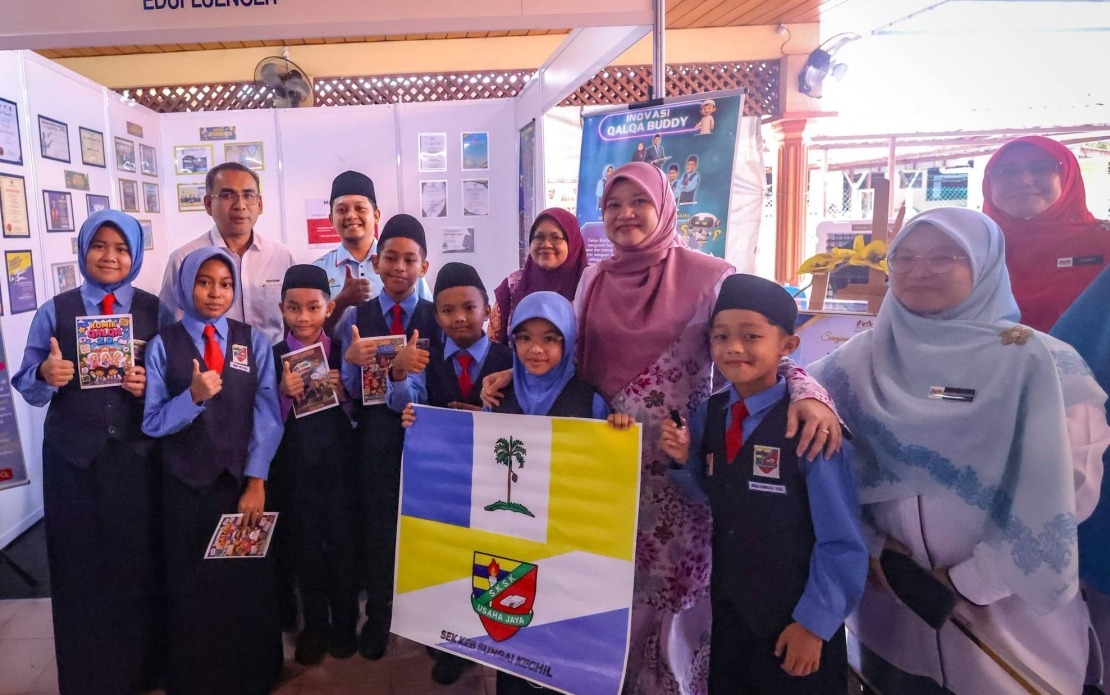
The ministry has begun deploying engagement strategies to build awareness and understanding among the public and education community regarding its policies and upcoming initiatives. One such mechanism is the TEKAD Programme, which was recently conducted in the South Seberang Perai district in Penang. According to the minister, these programmes function as bridges facilitating direct communication between the MOE and various stakeholders, moving beyond traditional top-down announcements to create dialogue and exchange opportunities. By bringing ministry representatives into direct contact with teachers, parents, and community leaders, such initiatives aim to address concerns, gather feedback, and foster ownership of reform efforts at grassroots levels.
The timing of these preparations carries particular significance for Malaysia's education sector, which has faced ongoing debates regarding curriculum relevance, student learning outcomes, and the balance between academic achievement and holistic development. By beginning implementation with Year One students, the MOE creates an opportunity to embed the new curriculum from the foundation of primary education, potentially allowing students to progress through the entire system without experiencing the disruption that might accompany mid-stream curriculum changes. Similarly, introducing the new framework simultaneously at Form One enables coherence between primary and secondary education trajectories.
Regionally, Malaysia's education reforms reflect trends visible across Southeast Asia, where countries grapple with preparing students for rapidly changing labour markets, technological advancement, and evolving societal needs. The Malaysia Education Blueprint's focus on enhancing educational quality positions the nation within a competitive landscape where education systems increasingly emphasize skills development, critical thinking, and adaptability alongside traditional academic competencies. Other nations in the region, including Singapore, Thailand, and Indonesia, have undertaken or are contemplating their own curriculum reviews, suggesting that regional education systems are simultaneously undergoing transformation.
The preparations outlined by Minister Fadhlina indicate that the MOE has established dedicated structures and timelines for managing the transition. Coordinating curriculum implementation across Malaysia's diverse school system—encompassing urban and rural institutions, schools with varying resource levels, and educators with different levels of professional development—requires meticulous planning and phased execution. The fact that preparations are already underway at all administrative levels suggests the ministry is attempting to avoid last-minute scrambles that could compromise implementation quality.
Implementation of new curricula historically presents challenges that extend beyond simply distributing new textbooks or guidelines. Teachers require training to understand pedagogical approaches embedded in the new framework, schools need resources including teaching materials and assessment tools, and assessment systems must align with curriculum objectives. Parents and students need clarity regarding how the new curriculum will affect progression pathways, examinations, and future educational or employment prospects. The MOE's emphasis on comprehensive stakeholder engagement suggests awareness that these practical dimensions require sustained attention.
The Malaysia Education Blueprint 2026-2035 itself represents a statement of educational philosophy and priorities for the coming decade. By anchoring the 2027 curriculum changes to this broader blueprint, the ministry signals that individual curricular elements are components of a larger vision rather than isolated adjustments. This systemic framing provides coherence across various ministry initiatives and creates a clearer rationale for the specific pedagogical approaches and content decisions embedded in the new curriculum.
Looking ahead, the success of the 2027 curriculum implementation will significantly influence public confidence in the MOE's capacity to manage large-scale educational reforms. Successful execution could establish momentum for implementing subsequent phases of the Malaysia Education Blueprint, including potential expansions to other year levels. Conversely, implementation challenges—whether logistical, pedagogical, or resource-related—could generate skepticism regarding future reform initiatives. The ministry's current emphasis on preparation and stakeholder engagement appears designed to maximize the likelihood of successful rollout and establish foundations for sustaining reform efforts beyond 2027.

