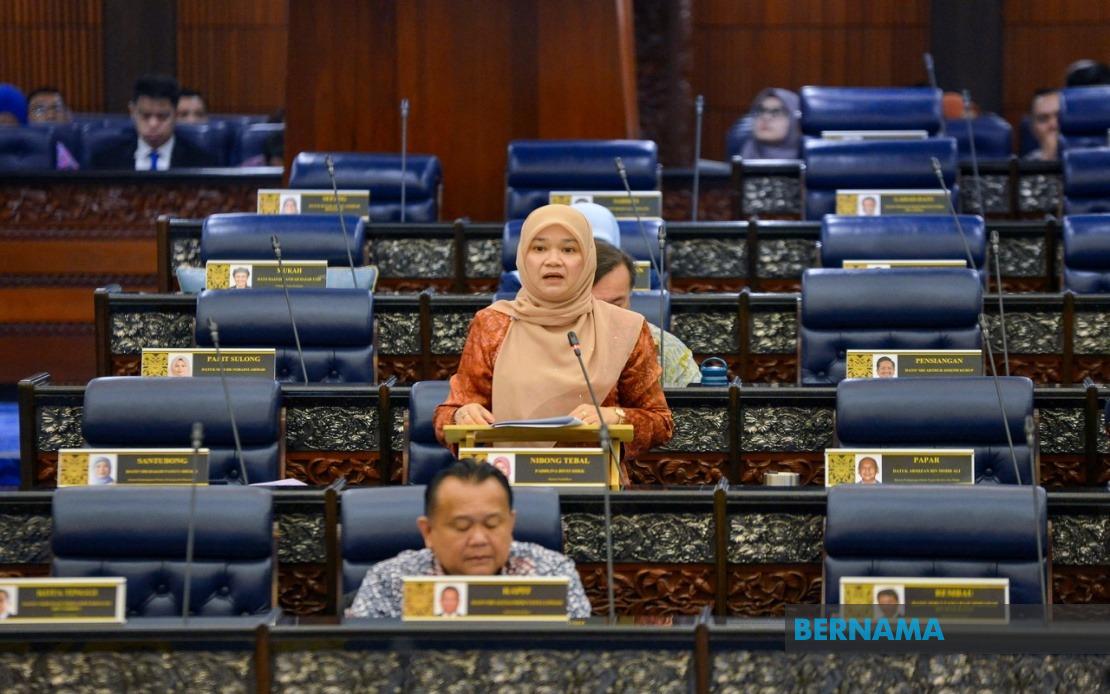
The Ministry of Education has moved to substantially reinforce its oversight of student safety across Malaysian schools, signalling a shift toward more rigorous and individualised assessment of incidents. Education Minister Fadhlina Sidek outlined the ministry's expanded approach during parliamentary questioning, emphasising that no two situations are identical and that each case demands separate, thorough examination. This position reflects growing recognition that school safety encompasses far more than physical security infrastructure, requiring attention to the psychological and emotional wellbeing of young people alongside structural protections.
Central to the ministry's revised strategy is the establishment of a dedicated interagency committee drawing expertise from multiple sectors and organisations. This collaborative structure represents an acknowledgment that school safety challenges cannot be addressed in isolation by education authorities alone. The arrangement signals institutional acceptance that comprehensive protection requires input from health professionals, security specialists, community representatives, and other stakeholders with distinct competencies and perspectives on student welfare.
The ministry has formalised its safety framework through two key policy documents launched in June. The Safe School Management Guidelines and School Student Protection Policy now serve as binding references for all educational institutions seeking to strengthen their approaches to student physical, social, and emotional safety. These policies operationalise five strategic pillars: prevention through proactive measures, continuous monitoring of school environments, transparent reporting mechanisms, timely intervention when issues arise, and consistent enforcement of safety standards. This five-point framework provides institutions with a structured methodology rather than ad-hoc responses to emerging problems.
Support from the National Institute of Occupational Safety and Health has strengthened the ministry's technical capacity to address infrastructure-related hazards. The institute provides guidance specifically on building integrity, drainage systems, and fire safety protocols—areas where inadequate standards can create serious risks to students and staff. Complementing this external expertise, the ministry is investing in enhanced training programmes at school level to build capacity among staff responsible for coordinating and maintaining safety measures. This investment in human capital alongside technical standards represents a more sophisticated approach to institutional safety.
The Anti-Bullying Act 2026, which came into effect on June 16, prompted the ministry to update its guidelines for handling bullying incidents in schools. This legislative development provides clearer legal frameworks for addressing what remains a persistent concern for educators and parents alike. By aligning school-level procedures with statutory requirements, the ministry aims to ensure consistency across institutions and provide students with more predictable avenues for reporting and remedying bullying behaviour. The legislative-administrative alignment suggests a more institutionalised approach to bullying prevention than has existed previously.
CCTV installation represents a visible component of the safety enhancement programme, with the ministry expanding coverage to 333 schools during the current year, up from 200 schools in 2025. While video surveillance serves primarily as a deterrent and investigative tool rather than a complete solution to safety concerns, the expansion reflects the ministry's commitment to increasing observable monitoring capacity across the school system. The selection criteria for installations and the protocols governing footage access and retention remain important considerations for balancing security with privacy protection in educational environments.
Night-time safety received specific attention through the appointment of 300 hostel wardens beginning in April. Students residing at boarding facilities face particular vulnerabilities during evening and overnight hours when formal school supervision typically diminishes. The expansion of dedicated night-time monitoring staff addresses a gap that had previously existed in the duty of care provided to residential students. This measure specifically targets a period when incidents of bullying, harassment, and other safety concerns may occur with less visibility to teachers and administrators.
The ministry's response to parental concerns about bullying demonstrates a commitment to involving families in safety assessment and intervention processes. Cases are evaluated comprehensively with support from certified counsellors, ensuring that professional expertise informs responses rather than relying solely on administrative procedures. The involvement of Parent-Teacher Associations and the broader Parent, Community and Private Sector Involvement initiative creates multiple pathways for parental input and oversight, transforming parents from passive recipients of information into active participants in school safety governance.
For Malaysian education stakeholders, these developments signal a transitional moment in how school safety is conceptualised and administered. The shift from incident-reactive approaches toward systematic, prevention-focused frameworks reflects evolving international standards in educational safety and responds to documented community concerns. The multi-layered approach combining infrastructure investment, human resource expansion, inter-agency coordination, legislative alignment, and community engagement suggests that the ministry recognises school safety as a complex challenge requiring solutions at multiple levels simultaneously rather than through any single intervention.
The implementation of these measures will require sustained resource allocation and ongoing commitment from school administrations already managing significant operational demands. Success will depend not merely on policy announcement but on effective execution, adequate funding, and genuine integration of safety considerations into daily school culture and decision-making. The emphasis on individualised assessment of incidents, rather than blanket protocols, demands also that school leaders develop improved judgment and expertise in distinguishing between qualitatively different situations requiring different responses.

