Malaysia's Education Ministry is rolling out an expansive student protection framework designed to address mounting safety concerns within the nation's 10,258 schools. The initiative represents a significant policy shift in how educational institutions approach the complex intersection of physical safety, emotional wellbeing, and contemporary social challenges affecting young learners across the country.
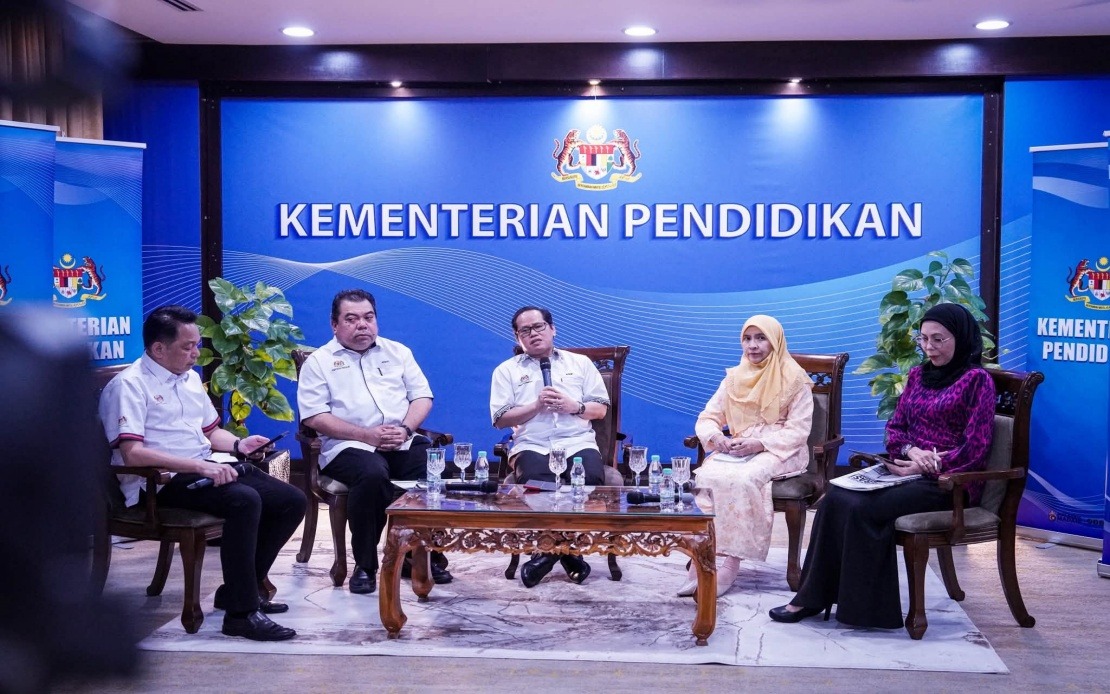
Education Director-General Datuk Mohd Azam Ahmad unveiled the comprehensive approach during a public dialogue session, revealing that the ministry contends with a troubling volume of incident reports on a daily basis. The scale of these concerns extends beyond isolated cases, with some days seeing double-digit numbers of student injury or fatality reports reaching the ministry's attention. This consistent stream of incidents underscores a systemic vulnerability within Malaysia's education system that extends far beyond individual school management failures.
The newly formulated Student Protection Policy, formally announced through a July 1 circular known as Surat Pekeliling Ikhtisas (SPI), establishes binding protocols that apply uniformly across Malaysia's entire school network. Rather than allowing individual institutions to develop isolated responses, the policy creates a standardized framework that recognises the shared nature of contemporary threats to student safety. The policy mandates that all school personnel and external parties who interact within school environments must formally sign a Letter of Compliance, creating an explicit contractual commitment to upholding protective standards.
Azam's remarks illuminate a critical gap between public perception and operational reality. While schools may appear orderly and stable from external vantage points, the ministry's daily intelligence tells a markedly different story. This disconnect between appearance and substance reflects a broader challenge: that safety vulnerabilities often remain invisible until critical incidents occur. By formalizing reporting structures and requiring compliance documentation, the ministry aims to shift school safety from reactive crisis management to proactive systematic protection.
The evolving landscape of student risks reflects profound changes in how children experience their formative years. Digital technologies that permeate contemporary adolescence expose young Malaysians to influences and potential harms at significantly earlier developmental stages than previous generations encountered. Students navigate complex digital ecosystems, social pressures amplified through online connectivity, and exposure to content that previous educational cohorts never encountered. These realities demand that schools and educators adapt their protective mechanisms accordingly.
Parallel to technological transformation, the professional expectations placed upon educators have fundamentally expanded. Teachers now shoulder responsibilities that extend substantially beyond curriculum delivery. Modern educators must simultaneously function as mentors to student character development, counselors addressing psychological wellbeing, and first-line protectors against emerging social threats including substance abuse and sexual violence. This expansion of the teaching role creates necessity for clearer institutional guidelines that delineate professional boundaries while supporting educators in navigating complex interpersonal dynamics with vulnerable populations.
The policy addresses multiple interconnected dimensions of student vulnerability through thematic pillars including mental health support systems, age-appropriate reproductive and social health education, prevention of child sexual violence, substance abuse prevention, and mechanisms for amplifying student voice within institutional decision-making. This multifaceted approach acknowledges that student protection cannot be compartmentalized into single interventions but requires coordinated action across psychological, educational, and protective domains. The comprehensive scope distinguishes this policy from narrower compliance-based frameworks that address symptoms rather than systemic vulnerabilities.
Implementation of the Student Protection Policy occurs within Malaysia's distinctive educational and social context. Unlike some jurisdictions where student safety frameworks may be decentralized or institution-specific, Malaysia's policy represents centralized standardization affecting a network of unprecedented scale. The application across 10,258 schools—encompassing urban centers, suburban communities, and rural regions with vastly different resource capacities—poses significant logistical and pedagogical challenges. Ensuring that compliance mechanisms translate meaningfully into protective practice across such geographic and socioeconomic diversity requires sustained institutional commitment and resource allocation.
The public dialogue featuring Children's Commissioner Dr Farah Nini Dusuki from the Human Rights Commission of Malaysia (SUHAKAM) alongside senior Ministry officials signals integration of human rights perspectives within protective frameworks. This collaborative approach acknowledges that student safety concerns intersect fundamentally with children's rights principles. The participation of specialized divisions addressing daily school management and educational policy planning indicates organizational commitment to moving beyond symbolic gesture toward substantive implementation infrastructure.
For Malaysian educators and school administrators, the policy introduces operational obligations that require institutional restructuring and staff training protocols. The mandatory compliance documentation creates auditable accountability mechanisms while establishing that student protection constitutes a non-negotiable institutional priority rather than aspirational objective. Schools must develop internal mechanisms ensuring that all personnel—teaching staff, support workers, and contract employees—understand both their protective responsibilities and the institutional expectations embodied within formal compliance commitments.
The timing of this policy intervention reflects Malaysia's broader educational reform agenda and evolving societal awareness regarding child safety. Regional education systems across Southeast Asia face similar pressures as traditional institutional models encounter digital-age realities and diversifying student needs. Malaysia's comprehensive policy approach may establish reference points for neighboring jurisdictions confronting comparable challenges. The framework's success or limitations will likely influence how other regional systems calibrate their own protective protocols.
Implementing the Student Protection Policy effectively demands that institutional culture shifts to prioritize protective mechanisms as central to educational mission rather than peripheral compliance exercises. The policy succeeds only when teachers, administrators, and support staff internalize protective principles as integral to professional identity and daily institutional practice. This cultural transformation requires sustained leadership commitment, adequate resource allocation, regular training reinforcement, and transparent communication regarding both successful protective interventions and identified implementation gaps.
The ministry's willingness to publicly acknowledge the scale and complexity of student safety challenges represents significant institutional maturity. Many educational systems resist transparent discussion of internal vulnerabilities. Malaysia's approach—explicitly framing student protection as an ongoing systematic concern demanding comprehensive policy response—establishes foundation for continuous improvement. As schools implement the framework across diverse contexts, systematic documentation of outcomes, challenges, and emerging protective needs will be essential for refining the policy and ensuring that the nation's 10,258 schools meaningfully enhance safety and wellbeing for all Malaysian students navigating increasingly complex contemporary environments.

