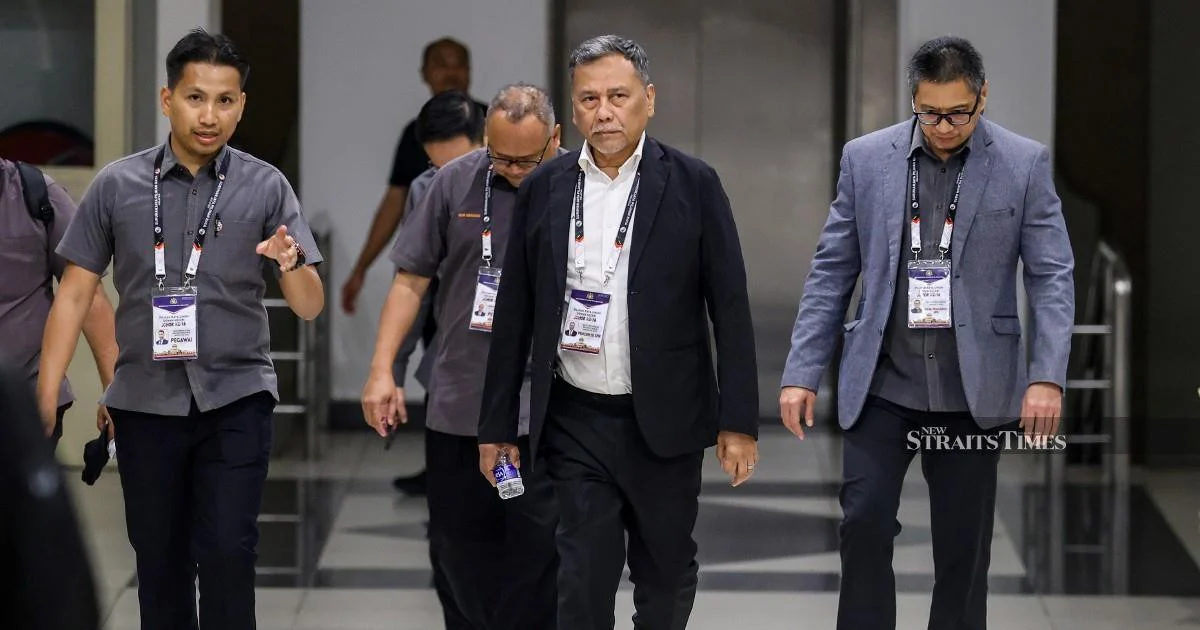
The Election Commission announced that it will undertake a more comprehensive examination of the growing phenomenon where voters share photographs of their completed ballot papers across social media platforms. The statement came during remarks made in Iskandar Puteri, signalling renewed focus on a practice that election authorities view as potentially problematic.
This move reflects mounting concern within Malaysia's electoral institutions about the erosion of voting secrecy through digital channels. When citizens post images of their marked ballots online—whether to Facebook, Twitter, TikTok, or WhatsApp—they create a tangible record that can compromise the fundamental democratic principle that votes should remain confidential. The practice appears to have accelerated during recent election cycles as smartphone cameras and internet accessibility have become more ubiquitous across Malaysian society.
The underlying worry extends beyond simple privacy matters. Voters publicising their ballot choices can inadvertently facilitate voter intimidation, coercion, or family pressure to vote in particular ways. In some communities, employers or community leaders may subtly—or directly—encourage workers or constituents to demonstrate their voting preferences through such images, undermining the principle that voting should be a free and uncoerced act. This reality poses particular concerns in workplace hierarchies and tight-knit communities where social pressure carries significant weight.
From a legal standpoint, Malaysia's election regulations contain provisions designed to protect ballot secrecy. The deliberate publication of marked ballots occupies a grey area that existing enforcement mechanisms have struggled to address adequately. Traditional electoral offences typically involve vote-buying, impersonation, or interference at polling stations—matters that occur within the controlled environment of the polling place. Digital-age violations like ballot photo sharing happen after voters leave polling stations, complicating enforcement and creating jurisdictional ambiguities for prosecutors and election officials.
The Election Commission's decision to review such cases suggests recognition that technological change has outpaced the institutional frameworks governing electoral conduct. Across Southeast Asia, election commissions have grappled similarly with social media's impact on electoral integrity. Thailand, Indonesia, and the Philippines have all faced challenges enforcing ballot secrecy in a digital environment where voters actively publicise their choices. Malaysia's approach—initiating a formal review process—represents an attempt to understand the scale and nature of the problem before determining appropriate regulatory responses.
For Malaysian voters, particularly younger and more digitally engaged citizens, the emerging scrutiny raises questions about their rights and responsibilities. Many who share ballot photos likely view the act as simply exercising freedom of expression or participating in civic discussion. They may not perceive their actions as violations of electoral law, especially if they believe they are merely exercising personal choice. The commission's intervention will require clear public communication about what behaviour constitutes acceptable civic participation and what crosses into problematic territory.
The practical challenges for election authorities are substantial. Investigating individual social media posts requires digital forensics capabilities, cooperation from social media platforms, and resource allocation that many election commissions lack. The sheer volume of potential cases—particularly during high-engagement elections—could overwhelm enforcement capacity. Additionally, determining intent becomes complicated: is a voter sharing a ballot photo primarily to express their political preference, or are they doing so under duress? These distinctions matter legally but prove difficult to establish in practice.
Regionally, Malaysia's approach may influence how neighbouring countries address similar issues. As Southeast Asian democracies mature and digital penetration deepens, ballot photo sharing and online voting intimidation will likely become increasingly prevalent. The methods and lessons Malaysia develops through its review process could inform best practices across the region. Collaboration between election commissions, social media platforms, and law enforcement will probably prove essential to any comprehensive solution.
The timing of the Election Commission's announcement also deserves consideration. Malaysia's political landscape remains fluid, with recent elections demonstrating how divided the electorate has become along multiple axes—geographic, ethnic, religious, and generational. In this context, attempts to enforce ballot secrecy take on added significance, as they relate directly to concerns about electoral transparency, voter autonomy, and the integrity of democratic processes. Stakeholders across the political spectrum will likely scrutinise how the commission implements any new enforcement measures to ensure they do not become tools for suppressing legitimate political expression.
Moving forward, the Election Commission will need to balance multiple competing interests: protecting the fundamental principle of secret voting, respecting voter rights to express political views, maintaining proportionate and fair enforcement, and building public confidence in election administration. The outcome of this review process will likely influence Malaysian electoral law and practice for years to come, potentially establishing precedents for how democracies in the digital age protect voting secrecy while accommodating social media's ubiquity in civic life.

