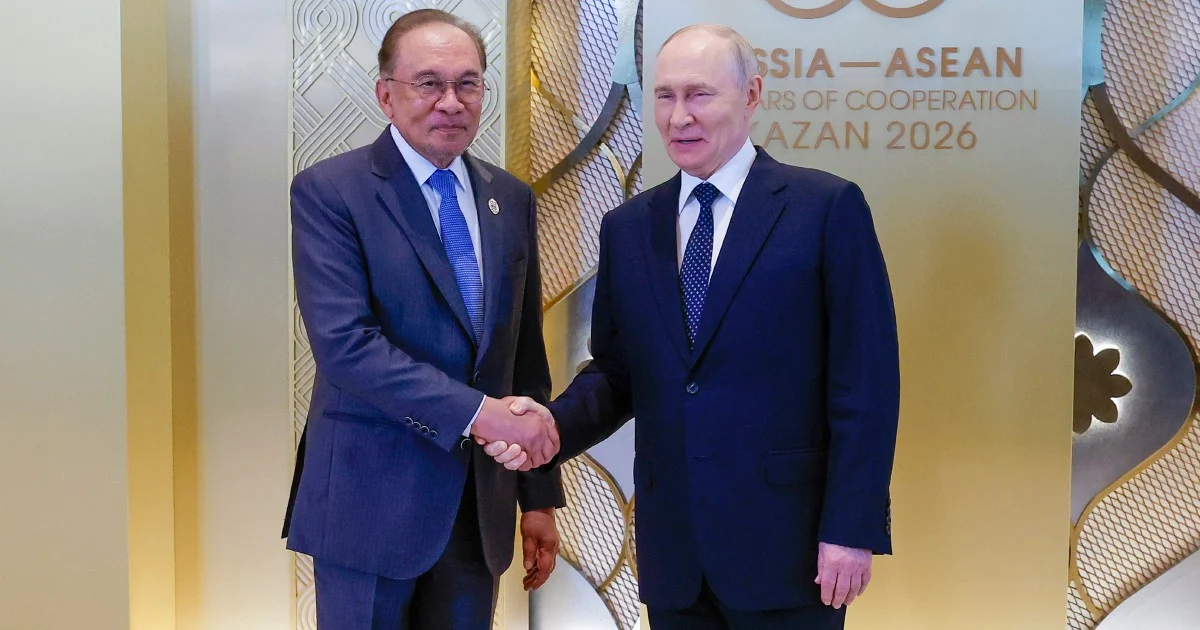
Prime Minister Datuk Seri Anwar Ibrahim's recent official visits to Russia and Turkmenistan signal Malaysia's deliberate repositioning on the global energy stage, moving beyond traditional suppliers to establish deeper relationships with major hydrocarbon producers. BRICS International Malaysia has publicly endorsed the outcomes of these missions, citing their significance for securing the nation's energy future through expanded oil and gas partnerships and broader economic engagement. The visits represent a calculated diplomatic strategy to insulate Malaysia from supply chain vulnerabilities that have increasingly threatened regional energy stability.
Malaysia's energy landscape faces mounting pressures from rising domestic demand, fluctuating international prices, and geopolitical tensions that periodically disrupt conventional supply routes. By cultivating relationships with Russia and Turkmenistan, both substantial producers with export capacity, the government is working to create alternative sourcing options that reduce dependence on any single supplier. This approach reflects lessons learned from global supply disruptions witnessed in recent years, where nations locked into narrow supplier networks faced significant economic consequences. For Malaysia, with its growing manufacturing sector and expanding petrochemical industries, energy reliability directly translates to industrial competitiveness and employment stability.
Turkmenistan, positioned as Central Asia's energy powerhouse, offers Malaysia particular advantages. The nation holds vast natural gas reserves and maintains strategic pipelines connecting it to Asian markets, creating possibilities for long-term supply agreements that could bolster Malaysia's gas inventory and provide feedstock for downstream industries. Such arrangements would complement Malaysia's existing liquefied natural gas infrastructure and potentially reduce pressure on domestic reserves, which have been gradually depleting over the past two decades. The geographical positioning of Central Asian energy sources also provides diversification from Middle Eastern suppliers, traditionally the primary source for Malaysian oil and gas imports.
Russia's position as a global energy titan presents both opportunities and complexities for Malaysian engagement. Despite international sanctions affecting its conventional markets, Russia maintains sophisticated hydrocarbon production capabilities and remains a significant player in global energy markets. Malaysia's willingness to engage directly signals pragmatic energy diplomacy focused on national interests rather than ideological alignment. This calculated approach allows Malaysia to maintain its non-aligned foreign policy stance while securing resources essential for national development. The timing of such visits also demonstrates Malaysia's independent assessment of its energy needs, separate from pressures exerted by traditional Western partners.
From an ASEAN perspective, Malaysia's energy diplomacy carries broader implications for regional stability and cooperation. As other Southeast Asian nations grapple with similar energy security concerns, Malaysia's successful negotiation of new partnerships could establish templates for regional engagement with major producers. Enhanced energy cooperation also supports ASEAN's longer-term integration agenda, where reliable power supplies underpin economic growth and industrial development across member states. Malaysia's role as a bridge between regional consumers and distant producers strengthens the association's collective bargaining position in global energy markets.
The emphasis on strategic economic partnerships extends beyond immediate energy transactions. Modern energy agreements typically encompass technology transfer, workforce development, and industrial collaboration that create spillover benefits across multiple economic sectors. When Malaysia engages with Russia and Turkmenistan, negotiations likely address not merely crude imports but comprehensive partnerships that position Malaysian companies to participate in energy-related manufacturing, engineering services, and downstream processing. Such comprehensive arrangements generate employment and build technical expertise that strengthens Malaysia's competitive advantage in the global energy value chain.
Oil and gas cooperation particularly matters for Malaysia's petrochemical and refining sectors, which depend on stable supplies of crude and feedstock for high-value production. The country's refineries, among Asia's largest, require consistent feedstock volumes to maintain capacity utilization and export competitiveness. By securing alternative sources through bilateral arrangements, Malaysia reduces exposure to spot market volatility and ensures its downstream industries can plan expansion and investment with greater confidence. This industrial stability ripples through the economy, supporting thousands of manufacturing jobs and government revenues that depend on energy sector exports.
The strategic nature of these partnerships also reflects Malaysia's careful positioning within evolving global geopolitical alignments. Rather than choosing between competing powers, Malaysia pursues simultaneous relationships that preserve its diplomatic flexibility and economic options. This multi-alignment approach protects Malaysia from pressure to choose sides in major power competitions, a luxury available to nations that can develop diverse energy relationships. The government's engagement with BRICS International Malaysia in publicizing these outcomes further signals Malaysia's comfort with organizations representing alternative power structures, positioning the nation as an active participant in reshaping global economic arrangements.
Energy security for Malaysia extends beyond supply reliability to include pricing stability and investment protection. Long-term agreements with producers like Turkmenistan typically include price mechanisms that provide some insulation from sudden international market fluctuations, allowing the government and private energy companies to make investment decisions with greater predictability. This stability supports long-range planning for power generation expansion, industrial projects, and infrastructure development that require years of implementation and depend on cost forecasting. The diplomatic investment in Russia and Turkmenistan thus translates into tangible advantages for Malaysia's planning horizon and industrial competitiveness.
Looking forward, these visits establish foundations for deepening engagement that could encompass renewable energy cooperation, technological collaboration, and joint ventures in third markets. While hydrocarbons dominate current discussions, modern energy partnerships increasingly include clean energy components, positioning Malaysia to benefit from technological advances regardless of global transition timelines. Turkmenistan and Russia both possess expertise in energy systems development that could inform Malaysia's broader infrastructure modernization. By establishing broad frameworks during these visits, both nations create space for expanding cooperation as circumstances evolve and priorities shift.
The welcoming stance of BRICS International Malaysia toward these diplomatic outcomes reflects broader recognition that energy security remains foundational to national development and regional cooperation. For Malaysia, whose economic growth depends on reliable, affordable energy, the successful cultivation of multiple sources represents prudent long-term planning. The visits to Russia and Turkmenistan, though conducted through traditional bilateral channels, gain significance through BRICS recognition, suggesting Malaysia's strategic importance extends across multiple international forums and economic groupings. This multifaceted engagement positions Malaysia advantageously as global energy markets continue their transition and realignment over coming decades.