Malaysia's film industry stands on the brink of significant structural transformation with the impending launch of the National Film Policy 2026-2035, a comprehensive strategy designed to propel the nation's cinema sector into a new era of financial sustainability, technological innovation, and global competitiveness. Following extensive consultation over two years, the policy is approaching its final approval stages and is expected to be unveiled before the year concludes, pending Cabinet clearance and endorsement from the Ministry of Communications.
The initiative represents a major evolution in Malaysia's approach to cinema governance, building upon the 2005 National Film Policy and the original film strategy framework established during the 1980s. What distinguishes this latest iteration is its holistic engagement across five interconnected pillars designed to address persistent industry challenges while capitalising on emerging opportunities. The framework encompasses more than 70 distinct initiatives that collectively aim to reshape how films are financed, promoted, produced, and distributed within Malaysia and across international markets.
According to Datuk Azmir Saifuddin Mutalib, chief executive of the National Film Development Corporation Malaysia (FINAS), the policy prioritises the development of alternative financing mechanisms to reduce the sector's traditional reliance on government funding and corporate sponsorship. This reflects growing recognition that sustainable industry growth requires diverse revenue streams, including private investment vehicles, crowdfunding platforms, tax incentive structures, and co-production partnerships that can inject capital while maintaining creative autonomy. Such diversification proves particularly crucial for Malaysian filmmakers competing for resources in an increasingly crowded Southeast Asian market where production costs continue rising.
Technological integration represents another cornerstone of the new policy framework, with particular emphasis on artificial intelligence applications. Rather than viewing AI as a threat to human creativity, policymakers are positioning it as a tool for enhancing production efficiency, enabling data-driven marketing strategies, and creating new opportunities for visual effects and animation—sectors where Malaysian talent has demonstrated considerable promise. This pragmatic adoption of emerging technologies positions Malaysian filmmakers to compete more effectively with regional and international counterparts while potentially attracting technology-focused investment.
The policy's market expansion component addresses a critical vulnerability in Malaysia's film ecosystem: limited distribution channels and insufficient market penetration both domestically and regionally. By establishing frameworks for broader cinema access and developing strategies to reach audiences through diverse platforms including streaming services, the policy acknowledges how audience consumption patterns have fundamentally shifted since 2005. For Malaysian audiences, this translates to greater availability of local content; for filmmakers, it means more pathways to profitability and artistic recognition.
Human capital development forms the backbone of long-term industry viability, with the policy emphasising workforce training, professional certification programmes, and skills upgrading across all production disciplines. This approach recognises that Malaysia's competitive advantage ultimately depends on cultivating world-class talent capable of producing internationally acclaimed content. Collaboration with Universiti Teknologi MARA (UiTM) and the National Academy of Arts, Culture and Heritage (ASWARA) ensures that training initiatives align with practical industry needs while maintaining academic rigour.
Intellectual property protection strengthens the policy's governance framework, addressing longstanding concerns about content piracy and unauthorised reproduction that have historically undermined Malaysian filmmakers' revenue potential. Enhanced legal protections encourage greater investment confidence while ensuring that creative professionals receive appropriate compensation for their work. This governance dimension proves essential for attracting premium investment capital and establishing Malaysia as a jurisdiction where intellectual assets receive meaningful legal recognition.
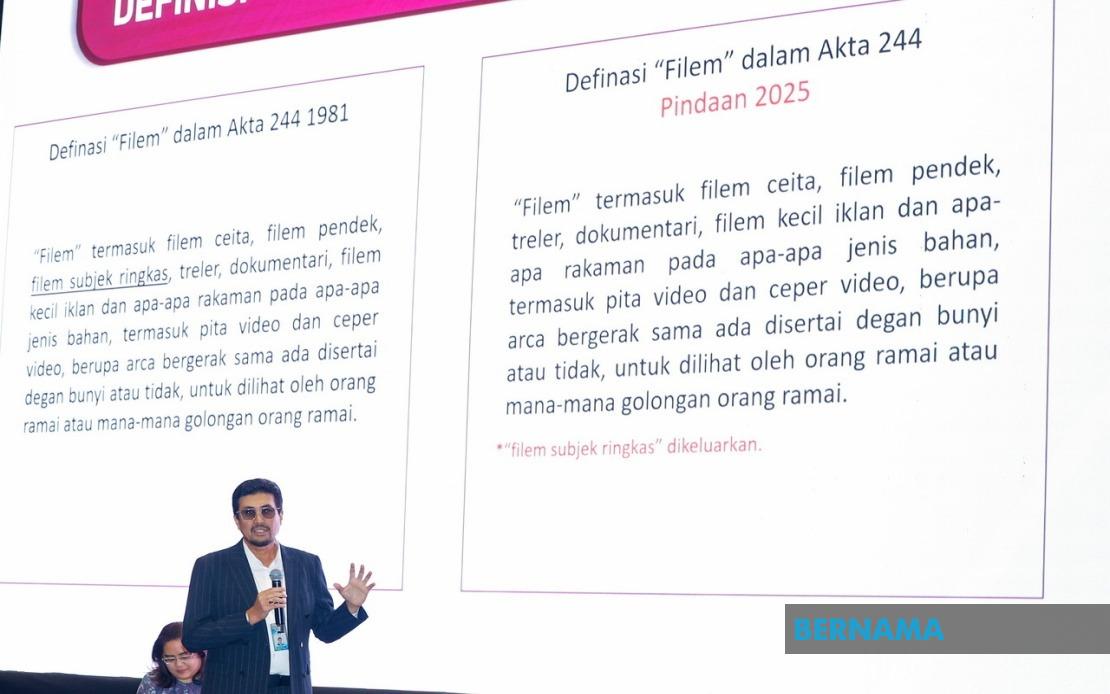
The formulation process itself merits attention, as it demonstrates the level of stakeholder engagement required for effective policy development. FINAS conducted extensive consultation with industry players, government agencies, relevant ministries, and cultural institutions to ensure the policy's 70 initiatives operate in harmonious coordination rather than creating bureaucratic overlap or jurisdictional conflicts. Recent stakeholder sessions have focused on refining editorial language and clarifying the specific operational frameworks through which FINAS and industry associations will collaborate.
The policy's underlying philosophy reflects a sophisticated understanding of cinema's multifaceted role within Malaysian society. Rather than viewing film exclusively as entertainment or purely as economic activity, the framework recognises cinema's capacity to reflect Malaysia's multicultural identity, foster national cohesion, stimulate economic growth, and enhance international cultural standing. This integrated perspective positions the film industry as a strategic national asset warranting investment and policy attention comparable to other critical sectors.
For regional observers, Malaysia's new policy signals a deliberate effort to establish the nation as Southeast Asia's emerging film production hub, capable of attracting international productions while developing homegrown talent and content. As streaming platforms continue fragmenting traditional media markets and audiences throughout Asia seek more diverse storytelling perspectives, Malaysia's combination of production incentives, technological infrastructure, and multicultural creative talent positions it favourably within the competitive regional landscape.
The anticipated launch represents not merely a bureaucratic refresh but a fundamental recalibration of how Malaysia approaches its film sector's future. By simultaneously addressing financing constraints, technological capabilities, market access, workforce development, and legal protections, the policy acknowledges that sustainable industry growth requires coordinated action across multiple dimensions. Success will ultimately depend on consistent implementation, adequate resource allocation, and industry stakeholders' willingness to embrace innovation while preserving the creative excellence that defines quality Malaysian cinema.

