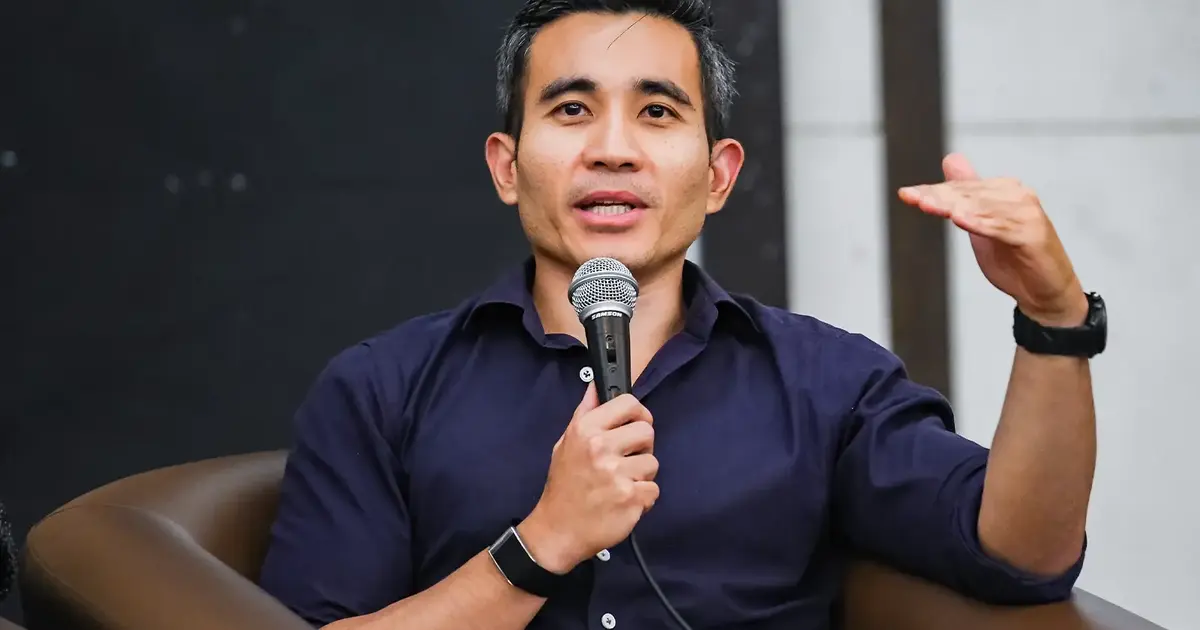
Shahril Hamdan, who previously served as Umno's information chief, has delivered a notably candid assessment of what voters can expect from Malaysia's coming sixteenth general election, suggesting the campaign will be dominated by pragmatic rather than aspirational messaging. His observation reflects a broader concern about the state of political discourse in the country as major parties prepare for the nationwide polls. The assessment carries particular weight given Hamdan's insider perspective on party communications strategy at the highest levels of Umno, one of the nation's most influential political organisations.
According to Hamdan's analysis, the defining characteristic of GE16 will be an absence of transformative political narratives. Rather than major parties presenting sweeping visions for national renewal or fundamental restructuring of governance, the electoral contest is expected to revolve around incremental, operational messaging focused on what can realistically be delivered. This distinction matters considerably for how voters engage with political choices, as it suggests campaigns will emphasise competence and continuity over ideological reinvention or bold policy departures.
The former Umno communications strategist's remarks point to a structural reality affecting Malaysia's political landscape: no single party or coalition is in a credible position to promise the kind of comprehensive transformation that might capture public imagination. This constraint exists regardless of which faction controls major party machinery or which coalition configuration emerges as the leading contender. The limitation reflects accumulated institutional fatigue and the complexity of managing Malaysia's diverse demographic and economic interests through incremental rather than revolutionary change.
For Malaysian voters accustomed to the more bombastic campaign rhetoric of previous electoral cycles, this represents a notable shift in political tone. The emphasis on functional rather than inspirational narratives reflects both the maturation of electoral competition and the pragmatic constraints facing parties that must govern in a deeply plural society with competing regional interests, religious constituencies, and economic demands. What parties can promise credibly is often what they can implement within existing fiscal and institutional frameworks rather than promises of wholesale transformation.
Hamdan's prediction carries implications for campaign strategy across all major political blocs. If functional narratives will dominate, parties must compete effectively on demonstrations of competence, implementation track records, and specific policy delivery rather than grand ideological positioning. This shift potentially advantages incumbents with records to defend and disadvantages challengers hoping to mobilise voters through transformative messaging, though it may also create opportunities for parties to emphasise targeted, locally relevant improvements over national-scale promises.
The assessment also reflects realistic constraints on Malaysia's fiscal position and institutional capacity. Any party seeking to govern must grapple with existing debt levels, infrastructure commitments, and public service obligations. These realities limit the range of credible promises across the entire political spectrum, from Barisan Nasional to Pakatan Harapan and emerging political actors. The result is likely to be election discourse centred on managing these constraints effectively rather than transcending them through transformative change.
From a Malaysian perspective, this development raises important questions about political engagement and voter motivation. Elections typically gain resonance when major parties present clearly differentiated visions, yet Hamdan's analysis suggests GE16 may feature relatively compressed policy spaces across competing coalitions. The challenge for parties becomes distinguishing themselves through credibility, efficiency claims, and targeted promises rather than overarching narratives, which could dampen voter enthusiasm or alternatively create space for independent candidates and smaller parties to offer more distinct positioning.
For Southeast Asian observers, Malaysia's experience reflects broader patterns affecting electoral politics across the region. As developing democracies mature and face institutional constraints, the tone of campaigns often shifts from revolutionary to managerial. Thailand, Indonesia, and the Philippines have all experienced similar transitions where campaigns became more technically focused on governance delivery. This convergence suggests that aspirational political messaging may be giving way to technical competition about implementation capacity.
The timing of Hamdan's remarks is significant as parties begin structuring their campaign machinery and messaging frameworks. Early positioning around functional narratives may influence how subsequent campaign phases unfold, potentially establishing expectations that prioritise competence over inspiration. This could reshape how political media covers the election and which issues gain traction in public debate, potentially elevating technical discussions about policy implementation while marginalising broader ideological contestation.
Ultimately, Hamdan's assessment suggests that Malaysian voters should expect GE16 to proceed with considerably more restraint in political claims than previous cycles. The resulting electoral contest may be more sober and less emotionally mobilising, yet potentially more grounded in realistic assessments of what government can accomplish. Whether this represents a maturation of Malaysian democracy or a concerning narrowing of political imagination remains a question that voters themselves will answer through their engagement with the campaign season ahead.

%22%2F%3E%3C%2Fpattern%3E%3C%2Fdefs%3E%3Crect%20width%3D%22100%25%22%20height%3D%22100%25%22%20fill%3D%22url(%23phy0vqg)%22%2F%3E%3Crect%20width%3D%22100%25%22%20height%3D%22100%25%22%20fill%3D%22url(%23phy0vqp)%22%2F%3E%3Ctext%20x%3D%2250%25%22%20y%3D%2250%25%22%20text-anchor%3D%22middle%22%20dominant-baseline%3D%22central%22%20fill%3D%22rgba(255%2C255%2C255%2C0.95)%22%20font-family%3D%22Georgia%2C%20'Times%20New%20Roman'%2C%20serif%22%20font-weight%3D%22700%22%20font-size%3D%22170%22%20letter-spacing%3D%22-0.02em%22%3EMalaysia%3C%2Ftext%3E%3C%2Fsvg%3E)