Malaysia's Ministry of Women, Family and Community Development has embarked on a significant overhaul of the Child Act 2001 (Act 611), drawing on a sweeping set of 159 recommendations issued by the United Nations Committee on the Rights of the Child. The initiative represents a major policy response to international scrutiny of the country's framework for protecting vulnerable young people, with the government signalling its commitment to aligning domestic legislation with global standards and contemporary challenges.
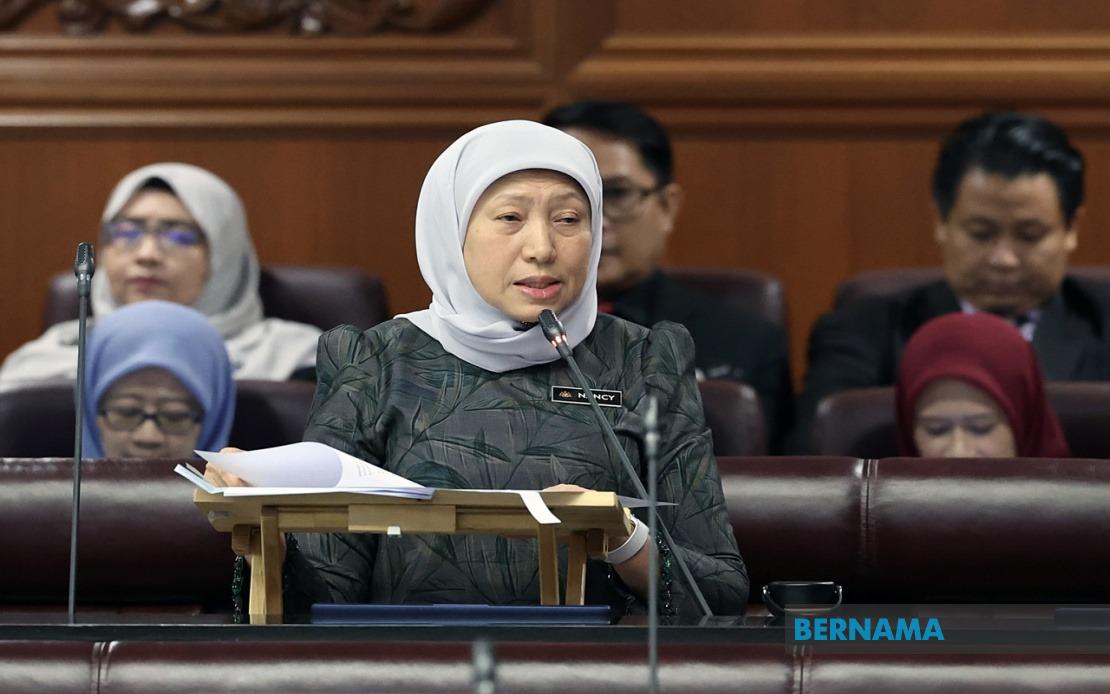
During parliamentary proceedings in the Dewan Negara, Minister Datuk Seri Nancy Shukri outlined the scope and ambition of the review, explaining that the Concluding Observations from the UN body touch on multiple dimensions of child welfare. These span legislative modernisation, strengthened safeguards against exploitation and harm, and improved enforcement mechanisms to translate rights into practical protection on the ground. The breadth of the recommendations underscores the complexity of ensuring that legal frameworks keep pace with evolving threats to child safety and shifting international norms around children's participation and agency.
The minister's statements came in response to questioning from Senator Pele Peter Tinggom, who raised concerns about whether existing provisions adequately reflect current realities and international best practice. This line of inquiry highlights growing pressure within Malaysian political circles to ensure that outdated or insufficiently robust legislation does not leave children vulnerable to harm or deny them meaningful voice in decisions affecting their lives. The parliamentary dialogue reflects broader Southeast Asian conversations about whether national laws sufficiently guard against abuse, trafficking, exploitation, and other threats that disproportionately affect children lacking family support or economic security.
Crucially, the ministry will not pursue the review in isolation. Nancy Shukri underscored that KPWKM is adopting a whole-of-government approach, drawing expertise and operational input from multiple agencies and ministries. This collaborative model carries significant implications, as child protection ultimately depends on coordination across social welfare, law enforcement, education, health, and justice sectors. The effectiveness of any revised Act 2001 will hinge on whether these agencies genuinely align their practices and share information, rather than operating in silos as often occurs in developing institutional frameworks.
The review will specifically examine the adequacy of reporting mechanisms and protocols for identifying abuse, neglect, and exploitation. Current child protection systems often suffer from underreporting and delayed intervention, particularly in rural areas or where children lack trusted adults to advocate for them. By scrutinising existing procedures, the ministry aims to lower barriers to disclosure and ensure that reports trigger swift, coordinated action. This focus on procedural reform is especially important in Malaysia, where cultural factors and family privacy concerns can inhibit reporting of domestic abuse or exploitation.
Children's court procedures will also undergo examination, with a view to making judicial processes more child-friendly and trauma-informed. Many countries have recognised that conventional courtroom settings can compound harm experienced by young witnesses and victims, potentially undermining both justice outcomes and psychological recovery. Malaysia's review offers an opportunity to adopt innovations tested elsewhere, such as specialised judicial training, closed-circuit testimony, and victim support services, that help ensure children receive appropriate protections while participating in legal proceedings.
The ministry's remit extends to family and community care arrangements, recognising that institutional responses alone cannot address child welfare comprehensively. Malaysia's demographic pressures, urbanisation, and economic disparities create complex family situations where children may be separated from parents, left in inadequate guardianship, or vulnerable to informal arrangements that lack safeguards. The review will examine how law and policy can strengthen community-based alternatives to institutional care while ensuring accountability and monitoring. This is particularly salient for Malaysia, where remittance economies and overseas migration sometimes leave children in the care of relatives with limited resources or emotional capacity.
Rehabilitation services for children in conflict with the law, or those who have experienced abuse and exploitation, will receive specific attention. The current framework's capacity to provide trauma-informed, developmentally appropriate rehabilitation remains contested by child welfare advocates and practitioners. Enhanced rehabilitation provisions must balance accountability with recognition that many children in the justice system are themselves victims of prior harm. The review offers scope to shift emphasis from punitive approaches toward therapeutic and educational interventions that address root causes of offending and harmful behaviour.
The ministry plans to clarify and strengthen the roles, functions and authority of all stakeholders involved in child case management, from parents and guardians to schools, healthcare providers, social services, law enforcement and judicial officials. Currently, ambiguous role definitions and overlapping responsibilities can lead to gaps in protection or contradictory interventions. By delineating responsibilities more sharply and establishing clear accountability lines, the revised Act can reduce inefficiency and ensure that no child falls through cracks between agencies. This structural clarification will also support training and professional development across the child protection workforce.
Cross-agency collaboration stands out as a key theme throughout the proposed amendments. The reality in most jurisdictions is that effective child protection depends on information-sharing, coordinated assessment, joint planning and integrated service delivery across institutional boundaries. Malaysia's review period provides an opportunity to embed collaboration in legal requirements and accountability mechanisms, rather than treating it as optional best practice. International experience shows that formal, legislated arrangements for coordination tend to work more reliably than voluntary cooperation frameworks, particularly when institutional cultures differ or resource constraints create competing priorities.
The responsiveness of interventions and services to children's actual needs and circumstances will be examined with fresh eyes. Too often, child protection systems operate according to bureaucratic logic rather than child-centred principles, responding to formal categories rather than individual situations. The review can push towards more flexible, responsive approaches that acknowledge children's agency, voice, and diversity of needs. This is especially important given Malaysia's multicultural context, where one-size-fits-all interventions may fail to respect different family structures, cultural values, and community support systems.
The timeline for completing the Child Act 2001 review remains unspecified, but the scale of engagement with 159 separate recommendations suggests a multi-year undertaking. During this period, the ministry must manage the tension between comprehensive, inclusive reform processes and the urgency of addressing documented gaps in child protection. Interim measures may be necessary to address the most critical vulnerabilities identified in the UNCRC's Concluding Observations, particularly concerning abuse prevention, reporting mechanisms, and access to rehabilitation services. Malaysian policymakers and child welfare practitioners will be watching closely to see whether the review translates into genuine legislative and operational improvements or remains largely symbolic in character.

