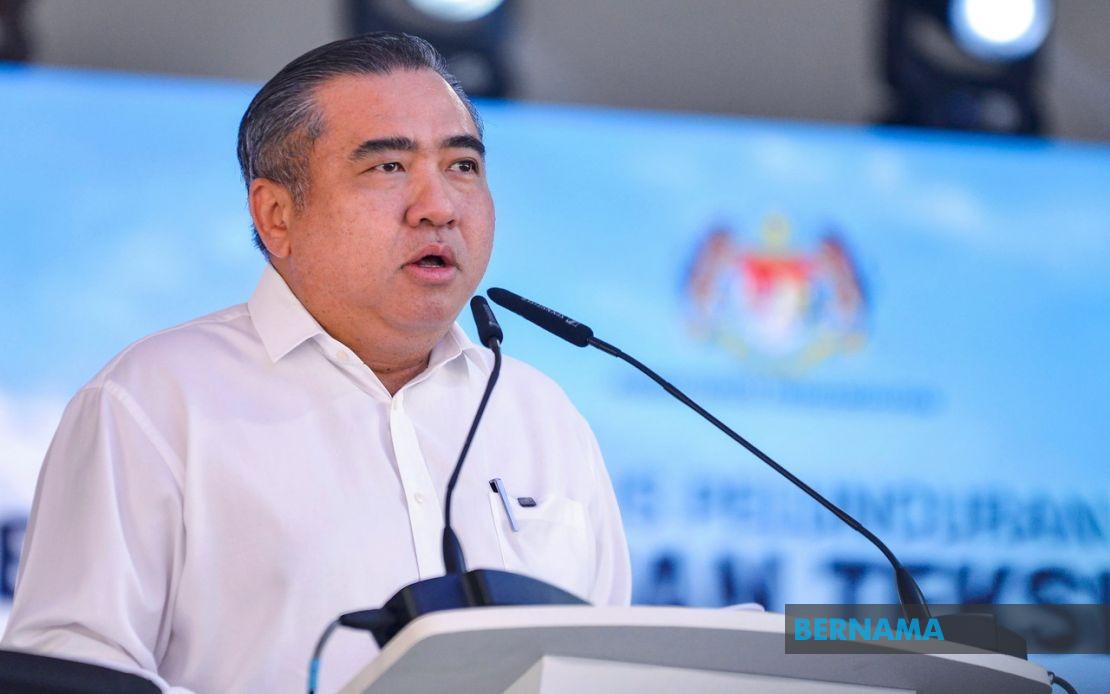
Transport Minister Anthony Loke has unveiled a transformative shift in Malaysia's taxi industry through the National MADANI Taxi Reform Programme, introducing an ownership-based model that dismantles the conventional leasing framework that has dominated the sector for decades. Launched at Dataran Merdeka by Prime Minister Datuk Seri Anwar Ibrahim, the programme represents a fundamental reorientation of the relationship between drivers and their vehicles, with special authorization from the Ministry of Finance enabling participants to hold genuine legal title to their taxis rather than operating under perpetual lease agreements.
The structural change addresses a long-standing grievance within the taxi driving community. Under previous arrangements, drivers functioned essentially as operators of vehicles they would never own, with lease payments flowing to leasing companies while vehicle equity accumulated elsewhere. Loke emphasized that this new framework inverts that dynamic entirely, ensuring that drivers building financial commitments toward their vehicles simultaneously build tangible ownership stakes. Even where financing arrangements involve third-party financial institutions, the driver retains legal ownership—a critical distinction that fundamentally alters the economic positioning of industry participants.
The programme standardizes the Proton S70 sedan as the new official taxi model across Malaysia's reformed fleet. This selection reflects deliberate prioritization of safety features, passenger comfort specifications, and fuel efficiency metrics. The shift away from previous vehicle selections signals confidence in domestic automotive manufacturing capacity, as Proton vehicles represent Malaysian-made solutions. The S70 platform provides modern engineering while supporting the government's broader vision for the national automotive sector's competitiveness and technological advancement.
Visually and functionally, the reformed taxis abandon the iconic roof-mounted taxi toppers that have characterized Malaysian cabs for generations, replacing them with a contemporary aesthetic that reflects modernization across the industry. The vehicles carry distinctive registration numbers prefixed with the letters "GET", creating immediate visual differentiation and potentially facilitating digital tracking and service management systems. This branding mechanism supports regulatory oversight while signaling to consumers that they are engaging with reformed, officially-sanctioned transport services.
Beyond ownership restructuring, the programme incorporates revenue diversification mechanisms specifically designed to enhance driver earnings. The introduction of digital advertising screens within taxi cabins creates supplementary income streams, transforming vehicles into mobile advertising platforms. This approach reflects contemporary monetization strategies visible across transport sectors globally, enabling drivers to offset operational costs through advertising revenue while providing brands with access to captive audiences during transit periods. The collaboration between the ministry and private sector partners indicates structured implementation rather than ad-hoc arrangements.
Integration with digital booking ecosystems through e-hailing platform connectivity positions reformed taxis competitively against ride-sharing services that have substantially disrupted traditional taxi markets across Southeast Asia. Rather than resisting digital transformation, the MADANI programme strategically incorporates these technologies, enabling drivers to access booking channels beyond street hailing while maintaining their independent operator status. This hybrid positioning acknowledges market realities while preserving traditional taxi service characteristics.
The implications for Malaysian taxi drivers extend beyond immediate financial restructuring. Ownership models fundamentally alter personal financial trajectories, enabling drivers to accumulate asset value throughout their working lives rather than generating revenue that benefits external leasing entities. This restructuring carries particular significance for driver retirement planning and wealth accumulation, addressing equity concerns that have persistently characterized the traditional leasing arrangement. For drivers approaching retirement, the ownership pathway potentially provides tangible assets that can be liquidated or transferred to family members.
The programme's launch reflects broader MADANI framework commitments to economic democratization and worker welfare enhancement. By positioning drivers as proprietors rather than service providers operating under external capital structures, the initiative philosophically aligns with governing coalition messaging around inclusive economic participation. The involvement of multiple ministerial figures—including Hannah Yeoh representing federal territories oversight and Kuala Lumpur mayor Fadlun Mak Ujud—underscores political significance and coordinated implementation across administrative levels.
Implementation considerations remain substantial, however. Transitioning an entire established industry from leasing to ownership-based financing requires coordination with financial institutions, clarification of insurance and liability frameworks, and potentially recalibration of regulatory mechanisms that historically accommodated leasing company intermediaries. The Ministry of Finance's special approval appears designed to address such structural requirements, potentially including favorable financing terms or risk-sharing arrangements that make ownership economically accessible to drivers with varying capital positions.
For Malaysian consumers and transport stakeholders, the programme signals systematic attention to taxi service modernization and competitive positioning against alternative mobility solutions. Improved vehicle standards, digital integration, and driver incentive structures should theoretically enhance service quality and reliability. The programme's success in achieving these outcomes will substantially influence urban mobility landscapes across major Malaysian cities and may provide models applicable to other Southeast Asian markets grappling with similar taxi industry challenges.
The broader economic significance extends to domestic automotive manufacturing, with standardized selection of Proton vehicles potentially generating substantial production volumes and supply chain engagement. This integration of vehicle manufacturing with transport service reform demonstrates policy coordination aimed at supporting multiple economic objectives simultaneously—industry modernization, worker welfare, domestic manufacturing support, and competitive digital integration all converge within the MADANI framework.

