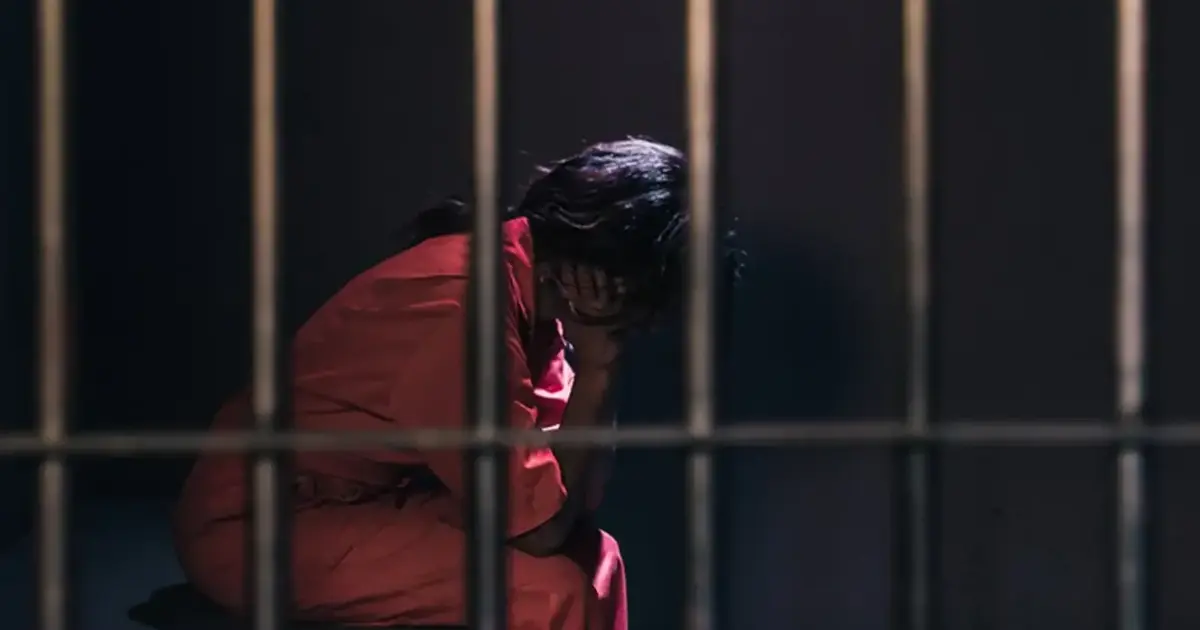
Malaysia's Human Rights Commission, known locally as Suhakam, has documented disturbing patterns of mistreatment within the country's correctional system, according to its comprehensive 2024 annual report. The investigation exposed a case in which a woman inmate suffered assault while in custody, drawing attention to broader vulnerabilities in how prisons protect vulnerable detainees. This case represents not an isolated incident but rather a symptom of deeper structural weaknesses that pervade detention facilities nationwide.
The report's examination of search procedures at prisons and police holding depots uncovered practices that Suhakam characterised as degrading and potentially violating detainee dignity. These screening procedures, ostensibly designed for security purposes, were found to lack proper oversight and clear guidelines governing their execution. The commission's findings suggest that staff conducting such searches operate without consistent training or standardised protocols, creating conditions where mistreatment can occur with minimal accountability. For Malaysian detainees, many of whom come from already marginalised communities, these procedures represent a compounding loss of agency and dignity during an exceptionally vulnerable period.
Central to Suhakam's concerns is the weakness of internal investigative mechanisms within prisons. When complaints of misconduct arise—whether involving assault, improper searches, or other forms of mistreatment—the commission found that prison authorities frequently conduct insufficient or inadequate probes. This systemic failure means that accusations against staff often go unresolved or result in minimal consequences, effectively insulating perpetrators from accountability. The absence of rigorous internal investigations creates an environment where problematic behaviour can persist unchallenged, undermining public confidence in the correctional system's ability to police itself.
The exposure of these issues carries significant implications for Malaysia's international standing on human rights commitments. As a signatory to various UN conventions and regional human rights frameworks, Malaysia faces pressure to demonstrate tangible improvements in custodial settings. The 2024 Suhakam report provides documented evidence that falls short of international standards, potentially inviting scrutiny from international human rights bodies and donors who monitor Malaysia's compliance with global norms. This places domestic pressure on policymakers to implement meaningful reforms rather than merely acknowledging problems.
The case of the assaulted female inmate is particularly instructive when examined through the lens of gender-based vulnerabilities in detention. Women prisoners represent a minority within Malaysian prisons and often lack adequate protective infrastructure. They may be housed in facilities designed with male inmates in mind, supervised by staff lacking specialised training in gender-sensitive detention practices, and isolated from support networks. This case suggests that current safeguarding mechanisms fail to account for these heightened risks, leaving some of society's most vulnerable citizens exposed to harm while under state custody.
Suhakam's findings also point to inadequate screening procedures that fail to identify detainees with mental health conditions, substance dependencies, or histories of trauma—individuals who require specialised handling but often receive standard processing. Without proper psychological or medical assessment during intake, correctional staff remain unaware of inmates' specific vulnerabilities, potentially leading to placements, security measures, or interactions that prove harmful. This represents a failure of basic duty of care that extends beyond criminal procedure into fundamental human welfare concerns.
The implications for Malaysia's Southeast Asian standing are worth considering. Regional neighbours including Thailand, Indonesia, and the Philippines have similarly grappled with prison reform challenges, yet Malaysia's status as a more developed economy creates higher public and international expectations. The Suhakam report demonstrates that economic development alone does not automatically translate into humane detention practices; systemic change requires political will, resource allocation, and cultural shifts within correctional leadership.
Suhakam's documentation of these issues in its annual report signals an institution attempting to fulfil its mandate despite facing resistance or indifference from authorities responsible for implementing recommendations. The commission's visibility in publishing findings represents a crucial accountability mechanism, particularly given that detainees themselves—often economically disadvantaged or socially marginalised—lack platforms to publicise abuses. By systematically cataloguing violations, Suhakam creates a record that cannot easily be dismissed or forgotten.
The weak investigation protocols identified by Suhakam suggest that prison leadership either lacks capacity, training, or genuine commitment to investigating misconduct fairly. Whether the problem stems from insufficient resources, inadequate investigative expertise among prison staff, or reluctance to pursue colleagues is crucial to determining appropriate remedial solutions. Without understanding root causes, policymakers cannot design interventions that address underlying deficiencies rather than merely creating bureaucratic appearances of reform.
For Malaysian civil society, the Suhakam report provides concrete evidence supporting advocacy for custodial reform. Non-governmental organisations working on prison conditions, detainee rights, and victim support can leverage these findings to press demands for specific policy changes rather than abstract appeals for improvement. The report essentially hands activists documented proof of systemic failures that politicians and officials cannot simply deny or dismiss without appearing dismissive of human rights.
Looking forward, Suhakam's 2024 findings should catalyse urgent dialogue between the commission, prison authorities, the Ministry of Home Affairs, and legislative bodies responsible for correctional oversight. The exposure of assault cases, degrading searches, and failed investigations represents a critical juncture where Malaysia can either recommit to detention reform or allow preventable abuses to continue. The stakes extend beyond individual detainees to Malaysia's self-conception as a rights-respecting nation and its relationships with regional and international partners who increasingly condition cooperation on human rights performance.

