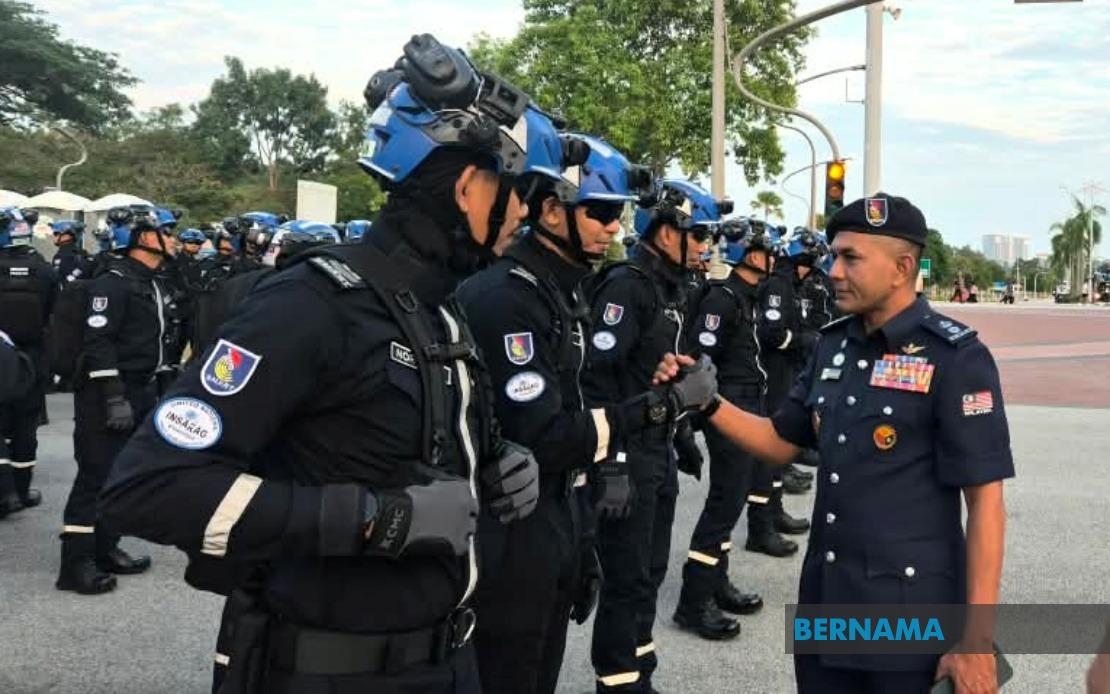
Malaysia's specialized search and rescue contingent remains on standby for potential deployment to Nepal, where catastrophic floods and landslides have triggered a regional humanitarian crisis. The Special Malaysia Disaster Assistance and Rescue Team (SMART) has completed all operational preparations and now depends solely on receiving approval from Nepal's government to proceed with its mission, according to the team's commander.
Senior Fire and Rescue Officer 1 Abdul Manaf Che Isa confirmed that SMART maintains full readiness to assist Nepal with ongoing search and rescue operations. Speaking during Malaysia's National Day celebrations at Dataran Putrajaya on August 31, he emphasized that the team's logistics, personnel, and equipment have been comprehensively prepared for immediate mobilization. The declaration came just days after Prime Minister Datuk Seri Anwar Ibrahim announced Malaysia's commitment to dispatch the rescue contingent to the affected nation.
The urgency of the situation underscores the scale of the natural disaster that struck the region beginning August 26. Flash floods and devastating landslides swept through Nepal's Rasuwa District and neighbouring areas in China's Tibet region, creating one of South Asia's most severe recent disasters. Current reports indicate the death toll has reached 804 people, with nearly 3,300 individuals unaccounted for across both territories. The disaster has left communities shattered, infrastructure compromised, and vast numbers of people requiring immediate humanitarian assistance.
Malaysia's commitment extends beyond rescue operations alone. The Prime Minister announced that the SMART deployment carries multiple objectives: locating and repatriating Malaysian nationals caught in the disaster, providing critical support to Malaysia's diplomatic mission in Kathmandu, and facilitating the distribution of humanitarian aid. Additionally, the Malaysian government has pledged USD1 million in financial assistance to support Nepal's immediate relief efforts and longer-term recovery programmes. This multifaceted approach reflects Malaysia's broader regional responsibility as a stable ASEAN member with established ties throughout South Asia.
Coordination between Malaysian institutions remains crucial for executing this international relief mission successfully. The deployment process requires careful synchronization among the Foreign Ministry (KLN), the National Security Council (MKN), and the National Disaster Management Agency (NADMA). These agencies must liaise with their Nepalese counterparts to arrange the necessary permissions, establish operational parameters, and ensure that Malaysian personnel can work effectively within Nepal's existing disaster response framework. Such institutional coordination, while sometimes appearing bureaucratic, prevents duplication of efforts and ensures that international assistance complements rather than complicates local emergency management.
The plight of Malaysian citizens caught in the disaster adds personal urgency to the government's response. As of August 29, Wisma Putra's records indicated that 36 Malaysians remained uncontactable in China, while 55 were unaccounted for in Nepal following the floods and landslides. These figures, though not catastrophic by the scale of local casualties, nevertheless represent significant concern for affected families and the Malaysian government. Locating these individuals and confirming their welfare has become a priority objective for the SMART mission, transcending the purely technical aspects of rescue operations.
The composition of Malaysia's rescue contingent reflects the nation's specialized capabilities in disaster response. The team selected for potential deployment comprises 112 personnel, led by Captain Plaveanus Bernard, drawn from Malaysia's fire and rescue services and trained extensively in complex search and rescue scenarios. This roster includes personnel skilled in extracting survivors from difficult terrain, managing mass casualty situations, and providing emergency medical support. The size and composition of the contingent demonstrate that Malaysia views this not merely as a symbolic gesture but as a genuine operational contribution to Nepal's relief efforts.
Nepal's response infrastructure faces enormous pressure following this disaster. The small Himalayan nation, already challenged by limited resources and infrastructure constraints in many regions, must now coordinate international assistance effectively while managing the sheer volume of humanitarian need. Welcoming foreign rescue teams requires careful planning to ensure that international personnel can operate efficiently within local contexts, respect existing command structures, and contribute meaningfully to ongoing operations. Nepal's government must balance the genuine benefits of outside assistance against the complexities of integrating foreign teams into active disaster zones.
The waiting period, while challenging, reflects standard international protocols for disaster assistance. Nations typically conduct rapid assessments following major catastrophes to determine what external assistance they can effectively absorb and integrate into their response framework. Nepal's authorities must evaluate their current operational capacity, identify specific areas where Malaysian expertise would prove most valuable, and establish liaison arrangements with the incoming team. This assessment period, though potentially frustrating for rescue personnel eager to assist, ultimately ensures that international aid translates into tangible benefits rather than becoming a logistical burden.
Malaysia's proactive response carries broader significance for regional solidarity during humanitarian crises. ASEAN members and South Asian nations increasingly recognize that major disasters transcend national boundaries and demand coordinated international responses. Malaysia's willingness to deploy specialized resources to Nepal reinforces expectations that member states will assist neighbouring countries during emergencies. This precedent strengthens regional disaster management networks and encourages other nations to develop similar rapid-response capabilities for deployment throughout Asia.
The financial contribution of USD1 million, while modest compared to the scale of Nepal's recovery needs, represents Malaysia's commitment to supporting medium and long-term reconstruction efforts. Immediate rescue and relief operations require different resources than the subsequent phases of disaster recovery, which encompass rebuilding infrastructure, restoring livelihoods, and supporting displaced populations. Malaysia's multi-year commitment suggests understanding that Nepal's recovery will require sustained international support beyond the acute emergency phase.
As Malaysia awaits Nepal's formal approval for SMART's deployment, the team remains in a state of heightened readiness. Personnel cannot engage in standard training routines or extended assignments, as rapid mobilization protocols demand that they remain prepared for immediate departure once clearance arrives. This constant state of alertness, though necessary, places significant demands on the rescue professionals involved. The uncertainty regarding deployment timing adds another layer of operational complexity that SMART commanders must manage while maintaining team morale and operational capacity.

