Malaysia has taken a significant legislative step towards professionalising social work with the tabling of the Social Work Profession Bill 2026 in Parliament on July 13. The Malaysian Association of Social Workers (MASW) has heralded the move as a watershed moment for the nation's social protection architecture, coming after more than a decade of groundwork to bring the measure to fruition.
The legislation represents formal governmental acknowledgement of the social work profession, a recognition long sought by practitioners across the country whose roles have historically operated without explicit legal standing despite their substantial contributions to individual and community welfare. MASW president Dr Teoh Ai Hua emphasised that the bill anchors Malaysia's commitment to maintaining the protection, wellbeing and dignity of its citizens through a workforce that is not only competent and ethical but also formally certified and legally recognised. This distinction carries practical significance, as professional regulation typically carries enforcement mechanisms, ethical standards and accountability measures that distinguish formally regulated professions from unregulated fields.
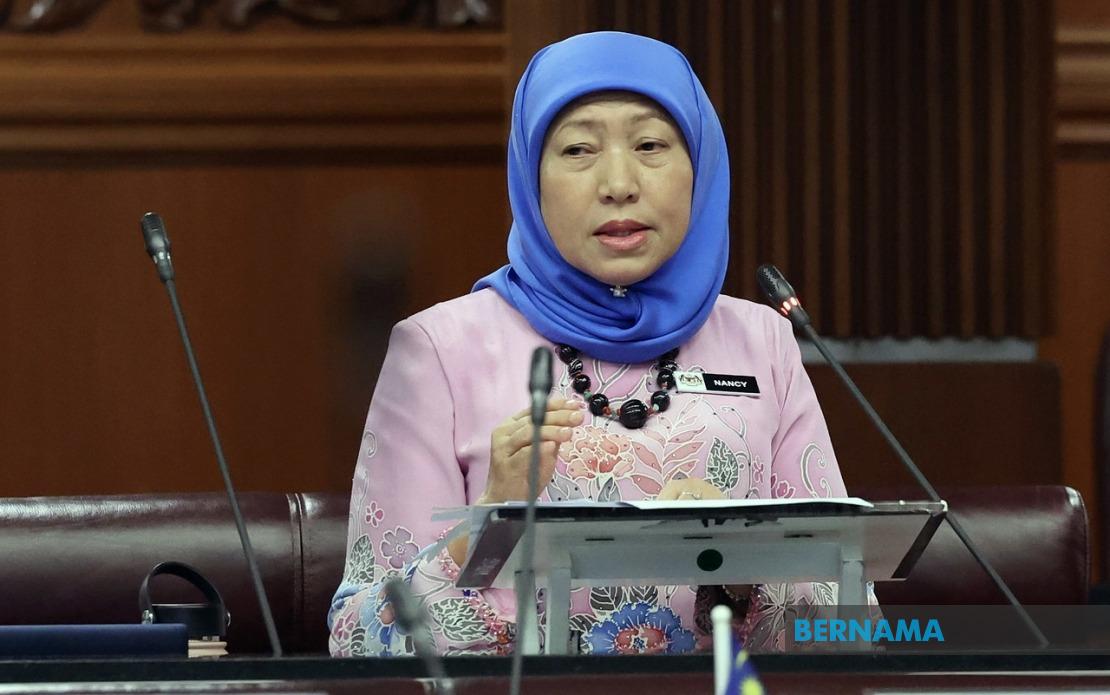
The achievement reflects sustained advocacy by MASW leadership alongside support from Women, Family and Community Development Minister Datuk Seri Nancy Shukri, whose ministry shepherded the legislation through the parliamentary process. The ministry's backing lends political weight to the measure and signals government commitment to investing in Malaysia's social infrastructure at a time when demand for mental health services, family counselling and community support continues to rise across the nation. The collaborative framework that produced this bill involved social work educators, practitioners from both government and non-governmental organisations, and specialised technical committees working systematically since 2010 to craft provisions that serve both the profession's interests and the Malaysian public's needs.
Beyond its domestic implications, the bill positions Malaysia within global frameworks governing social work practice and education. MASW notes that the legislation brings Malaysia into alignment with the Ha Noi Declaration on Strengthening Social Work towards a Cohesive and Responsive ASEAN Community adopted in 2020, a regional commitment to elevating social work standards across Southeast Asia. Equally important is concordance with the Global Standards for Social Work Education and Training developed jointly by the International Association of Schools of Social Work and the International Federation of Social Workers, standards that ensure Malaysian social workers meet benchmarks recognised internationally and that graduates from local institutions possess qualifications valued across borders.
The bill's passage will carry significant implications for Malaysia's social policy architecture. Currently, social workers operate without the kind of statutory professional body that exists in medicine, law or engineering, potentially leaving vulnerable populations without clear recourse if service standards fall short. Formal professionalisation typically introduces licensing requirements, continuing education mandates and disciplinary procedures that protect clients and maintain service quality. For families navigating child protection services, individuals struggling with mental health crises or communities addressing social fragmentation, the presence of formally regulated practitioners provides assurance of baseline competence and ethical conduct.
MASW vice-president Dr Mohd Iqbal Haqim Mohd Nor characterised the bill's tabling as transforming years of professional advocacy into concrete momentum for the field. The statement reflects the profession's historical frustration with operating in a regulatory vacuum whilst providing services essential to national social stability. Social workers address issues ranging from domestic violence and child abuse to mental health support and community rehabilitation—work that directly affects social cohesion and public health but has never enjoyed statutory professional recognition in Malaysia despite its critical nature.
However, the bill's journey to implementation faces practical challenges that stakeholders are beginning to address. MASW honorary secretary Amy Bala has called on Members of Parliament to engage constructively with the bill's provisions during deliberation, suggesting that the measure may benefit from refinement before passage. This reflects the legislative reality that bills of this complexity often benefit from parliamentary scrutiny and amendment. Simultaneously, Bala emphasised that effective implementation will require adequate resource allocation and transparency mechanisms, signalling that legislative passage is merely the beginning of a more demanding phase requiring funding, institutional development and clear accountability structures.
The resource question carries particular weight for Malaysia, where government social services already operate under budgetary constraints. Professionalising social work will necessitate investments in regulatory infrastructure, including a likely professional body modelled on arrangements for other regulated professions in Malaysia. This body would need staffing, office space and operational funding to manage licensing, continuing education accreditation, complaint investigation and disciplinary proceedings. For social workers themselves, professionalisation may eventually require formal registration and potentially specific qualification thresholds, changes that affect both university training programmes and current practitioners operating without formal credentials.
The broader social policy context also matters. Malaysia's social protection system remains fragmented across multiple government agencies and non-governmental organisations, with significant coverage gaps particularly in rural areas and among undocumented migrant populations. Formal professionalisation of social work could eventually support greater system integration and service consistency, though only if accompanied by complementary reforms in service delivery organisation. Without such coordination, formalising the profession alone may not address underlying systemic fragmentation that currently limits protection for Malaysia's most vulnerable populations.
Regional dimensions add another layer of significance. As ASEAN member states increasingly recognise social work's contribution to community stability and social cohesion, Malaysia's legislative action contributes to raising professional standards across the region. The Ha Noi Declaration reflects broader Southeast Asian recognition that rapid urbanisation, family structure changes and economic dislocation create growing demand for professional social support services. By formalising its profession, Malaysia positions itself as a leader in Southeast Asian social work development whilst creating frameworks that neighbouring countries may eventually adopt or adapt for their own contexts.
The path forward depends on parliamentary approval and, crucially, on stakeholder commitment to implementation. MASW's readiness to support the bill's implementation signals that the profession stands prepared to engage constructively with whatever regulatory frameworks eventually emerge. The months ahead will reveal whether Parliament embraces the measure without significant modification, how quickly implementation timelines move forward and whether government commits sufficient resources to establish effective regulatory mechanisms. For Malaysia's social work profession, the bill represents vindication of years of patient advocacy; for the millions of Malaysians who may eventually benefit from services delivered by formally regulated practitioners, it signals progress towards more reliable and accountable social protection systems.

