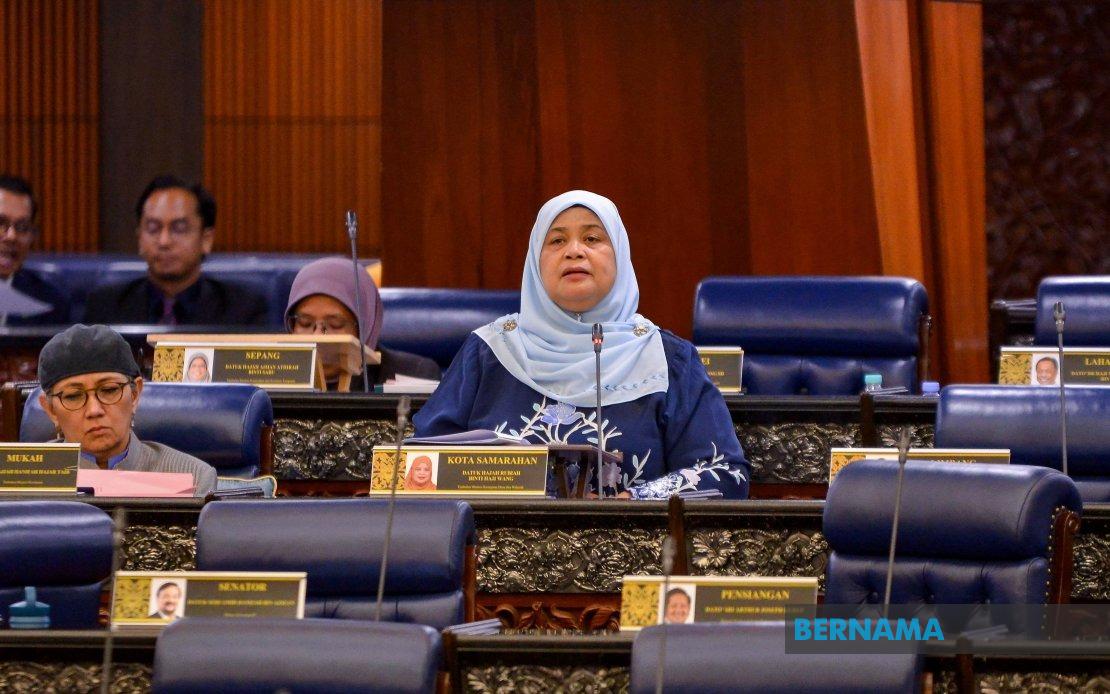
The Malaysian government is pursuing a comprehensive overhaul of its Technical and Vocational Education and Training system through direct industry partnerships and sector-specific specialisation centres. Speaking in Parliament, Deputy Minister of Rural and Regional Development Datuk Rubiah Wang outlined how the TVET 2.0 framework will use industry accreditation standards to ensure graduates possess skills that employers actually need. This represents a strategic shift away from generic training towards a targeted, market-responsive approach that addresses the persistent mismatch between what vocational institutions teach and what industries demand.
The crux of the transformation lies in establishing recognition mechanisms directly tied to business needs. Rather than relying solely on conventional government assessments, the ministry will embed industry expertise into accreditation processes. This collaborative approach is intended to dissolve the traditional gap where graduates emerge with theoretical knowledge but lack practical competency. By aligning learning outcomes with real workplace requirements from the outset, the ministry hopes to dramatically improve employability rates—a chronic weakness in Malaysia's vocational pipeline that has created bottlenecks in sectors ranging from manufacturing to digital services.
Skills mismatch represents a significant economic drag across Southeast Asia, and Malaysia is no exception. While the nation faces acute shortages in certain technical fields, employers simultaneously report difficulty finding qualified workers. This paradox reflects a systemic failure in educational responsiveness. The TVET 2.0 initiative attempts to resolve this by making industry voices central to curriculum design and competency standards. Datuk Rubiah emphasised that this integrated direction ensures graduates are not merely technically proficient but also "future-ready" and capable of adapting to technological disruption—a crucial asset in volatile labour markets.
Beyond basic technical skills, the framework incorporates an entrepreneurship dimension. The ministry is explicitly targeting the creation of job creators and techno-entrepreneurs who can establish ventures rather than simply fill existing roles. This is particularly significant for rural Malaysia, where the ministry operates under the Ministry of Rural and Regional Development banner. By fostering self-employment and rural enterprise, TVET 2.0 aims to decentralise economic opportunity and reduce urban migration pressures. Graduates equipped with both technical expertise and business acumen can theoretically anchor economic activity in peripheral regions.
One distinctive element of the revamped system is the TVET Tahfiz programme, which integrates Islamic religious learning with technical training. This initiative targets a specific demographic and reflects Malaysia's unique cultural context. The programme produces huffaz—individuals who have memorised the Quran—while simultaneously equipping them with digital and advanced technology skills. This fusion addresses concerns that vocational education traditionally neglected character and spiritual development, while ensuring that religiously-trained individuals remain economically competitive globally. The dual emphasis acknowledges that skills development in Malaysia cannot be divorced from broader values education.
The ministry is implementing a hub-and-spoke model of specialised centres rather than diluting expertise across numerous institutions. TVETMARA Petaling Jaya has been designated as the national focus for Internet of Things training, while TVETMARA Besut concentrates on cloud computing infrastructure and TVETMARA Pasir Mas serves as the country's Building Information Modelling centre. This geographic distribution ensures regional accessibility while maintaining world-class depth in specialist areas. The approach mirrors international best practices where institutions develop genuine excellence rather than attempting superficial breadth across all fields.
Advanced manufacturing and Industry 4.0 technologies feature prominently in the transformation agenda. The German-Malaysian Institute specifically channels German industrial expertise and manufacturing methodologies into the Malaysian system, addressing a historical gap in high-precision engineering capabilities. Simultaneously, the ministry is embedding exposure to artificial intelligence, cybersecurity, robotics, automation, and smart manufacturing systems across its vocational institutions. These technologies represent the genuine frontier of future employment, and Malaysian vocational graduates must command them to remain globally competitive.
At the tertiary vocational level, Universiti Kuala Lumpur is positioned as the flagship institution for advanced TVET programmes, including specialist qualifications in artificial intelligence technology. This tiered approach—with pathway-based progression from foundational TVET through to degree-level vocational qualifications—creates genuine career ladders rather than dead-end training routes. Malaysian workers can enter the system at their current level and progress through stackable credentials that build toward higher qualifications, a model increasingly recognised as superior to rigid academic or vocational silos.
The timing of this transformation is critical. Southeast Asia is experiencing rapid technological displacement of traditional labour, particularly in manufacturing and routine services. Countries that fail to upskill their workforces risk creating structural unemployment among displaced workers. Malaysia's strategic investment in TVET 2.0 represents an attempt to harness globalisation's opportunities while mitigating its disruptions. By ensuring vocational training directly responds to emerging sectors, the nation seeks to maintain competitiveness in high-value manufacturing and digital services while creating sustainable employment for workers across skill levels.
The success of TVET 2.0 will ultimately depend on sustained funding, educator development, and genuine industry participation. Establishing accreditation frameworks is administratively complex, and resistance from both educational bureaucracies and employers accustomed to traditional arrangements should not be underestimated. However, the parliamentary articulation of this vision signals serious governmental commitment. For Malaysia's economic future—particularly in rural regions and for younger cohorts entering the workforce—the alignment of vocational education with authentic labour market needs represents essential infrastructure for inclusive growth and individual opportunity.

