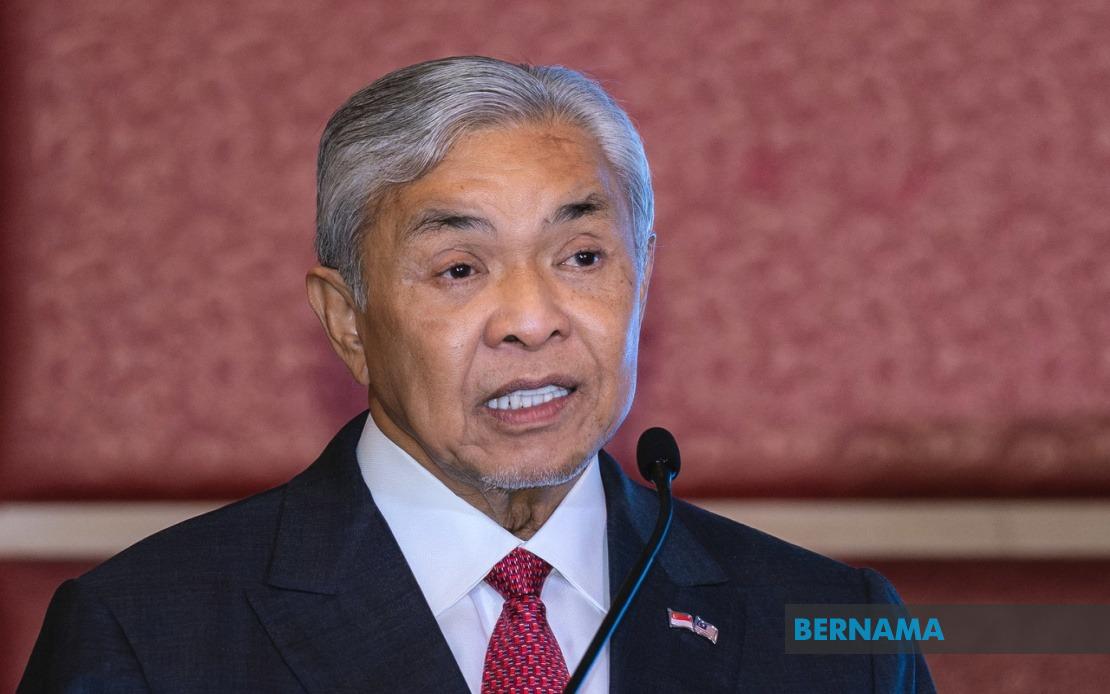
Malaysia's Deputy Prime Minister Datuk Seri Dr Ahmad Zahid Hamidi has outlined an ambitious strategy to transform vocational education outcomes by embedding industry participation directly into curriculum development and student placement processes. Speaking in Kuala Lumpur on July 13, Ahmad Zahid, who concurrently serves as Rural and Regional Development Minister and chairs the National TVET Council, revealed that the government now guarantees near-total employability for Technical and Vocational Education and Training graduates through proactive engagement between educational institutions and employers.
The cornerstone of this approach centres on eliminating the traditional disconnect between classroom training and workplace requirements. Rather than waiting until graduation to seek employment, TVET institutions now begin collaborative dialogue with companies and industry operators during the course design phase. This ensures that every module, competency standard, and practical skill taught directly corresponds to genuine vacancies or anticipated labour market demands within specific sectors. The strategy addresses a longstanding vulnerability in vocational systems across Southeast Asia, where graduates often discover their qualifications do not align with employer expectations or available positions.
According to Ahmad Zahid, this institutional realignment has yielded remarkable results, with the government claiming a 100 per cent graduate employability rate. This figure reflects the reality that students receive formal job offers from participating employers before they complete their final examinations or projects. Such arrangements eliminate the traditional transition period between graduation and employment, reducing financial stress on graduates and their families while providing institutions with concrete feedback about course relevance. The Deputy Prime Minister emphasised that this model simultaneously resolves three persistent challenges in vocational education: course-to-job misalignment, wage inadequacy, and the absence of job security upon completion.
The government has further intensified its commitment by establishing High TVET courses, a tier of advanced vocational qualification designed to meet demands for sophisticated technical skills in emerging sectors. These programmes reflect Malaysia's recognition that traditional vocational training alone cannot address the requirements of increasingly automated and technology-dependent industries. By combining theoretical rigour with intensive practical experience, High TVET courses position graduates as skilled technicians capable of working in manufacturing, digital technology, renewable energy, and precision engineering fields where regional demand consistently outpaces supply.
This initiative carries particular significance for Malaysia's broader economic development agenda. As the country seeks to transition from middle-income status and compete with higher-wage nations, the availability of a well-trained technical workforce becomes strategically critical. Unlike university graduates who typically pursue white-collar roles, TVET graduates fill essential positions in production, infrastructure maintenance, and technological installation that sustain economic competitiveness. By ensuring these workers receive market-rate wages and secure employment before graduation, the government signals confidence in vocational pathways and encourages younger Malaysians to pursue technical qualifications over prolonged university studies.
The regional dimensions of this strategy are equally noteworthy. Across Southeast Asia, vocational education systems struggle with credibility and attractiveness, with many families viewing such programmes as terminal rather than pathways to further advancement. Malaysia's industry-embedded model offers a prototype for addressing these perceptions. When potential students observe that their peers secure employment immediately upon graduation, typically with wages competitive to or exceeding those of fresh university graduates, the appeal of TVET pathways strengthens considerably. This could have ripple effects throughout the region, encouraging similar partnerships in neighbouring countries.
Malaysia's commitment to vocational excellence will be tested globally at WorldSkills Shanghai 2026, an international competition where nations showcase their technical talent and educational systems. Ahmad Zahid addressed a nine-member contingent representing TVET@KKDW (the vocational initiative of the Ministry of Rural and Regional Development) comprising participants drawn from MARA TVET, Universiti Kuala Lumpur (UniKL), and GIATMARA. These competitors will contest in nine skill categories spanning Fashion Technology, Cyber Security, and Electronics among others, with approximately two months remaining for final preparation before the Shanghai competition scheduled for September 22-27.
The Deputy Prime Minister appealed to the Malaysian contingent to demonstrate mental fortitude and emotional resilience throughout their remaining training period, framing their international performance as an opportunity to validate Malaysia's vocational system on a global platform. Success at WorldSkills competitions carries outsized significance for vocational systems, as high-profile victories enhance the prestige of technical education within participating nations and generate media attention that reaches prospective students and their families. Malaysia's previous performances at WorldSkills have contributed meaningfully to gradually shifting public perception of vocational pathways from stigmatised alternatives to respected career foundations.
The government's emphasis on discipline, focus, and continued skill enhancement during the preparation phase reflects awareness that international competition standards are substantially more rigorous than domestic benchmarks. WorldSkills competitors face not merely technical assessment but also timed challenges, creativity requirements, and pressure conditions that mirror real workplace scenarios. Malaysian participants must perfect not only their technical execution but also their speed and precision under observation, with results compared directly against representatives from advanced economies with well-established vocational traditions.
Implicitly, Ahmad Zahid's message to the TVET@KKDW contingent also carries strategic weight domestically. By publicly associating the government with vocational excellence and international competitiveness, the administration reinforces investment in technical education as a policy priority rather than a secondary educational track. This positioning could influence budget allocation, institutional resource distribution, and public messaging around skills development in coming years. Furthermore, success at WorldSkills Shanghai 2026 would provide powerful narrative material for promoting vocational pathways to Malaysian secondary school students deciding their post-secondary futures.
The 100 per cent employability claim warrants careful interpretation within Malaysia's specific labour market context. While the figure represents genuine achievement in terms of pre-graduation job placement coordination, it reflects industries and regions where demand for technical skills substantially exceeds supply. Sectors such as electronics manufacturing, construction trades, and digital technology have capacity to absorb graduates rapidly. However, some vocational streams may face slower absorption or lower wage premiums, suggesting that while placement rates may be high, employment quality and remuneration potentially vary considerably across different TVET specialisations. Nevertheless, the structural transformation of vocational education through industry collaboration represents meaningful progress toward ensuring that Malaysian technical graduates can compete effectively in regional labour markets.
Moving forward, the sustainability of Malaysia's TVET model depends on maintaining genuine employer engagement beyond ceremonial partnerships. Industries must continue investing in curriculum development, apprenticeship placements, and instructor training if the system is to deliver genuine employability outcomes. Additionally, success requires continuous realignment as technological change accelerates, particularly in sectors transitioning toward automation and artificial intelligence integration. The government's commitment to High TVET programmes suggests awareness of this dynamic requirement, yet the durability of industry collaboration will ultimately determine whether Malaysia's vocational graduates can sustain their competitive advantage throughout their careers.

