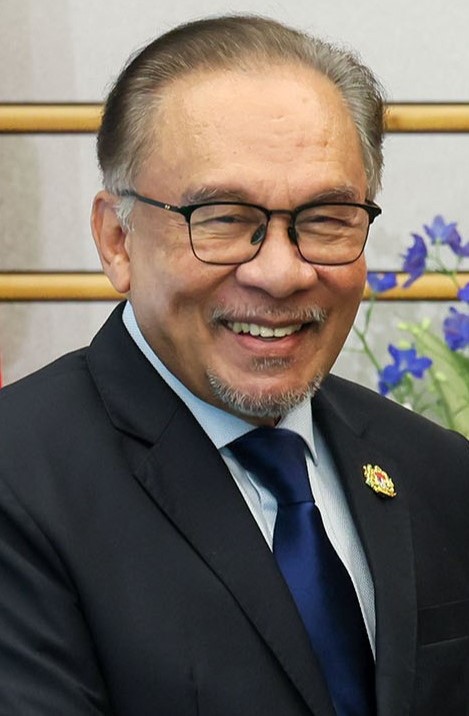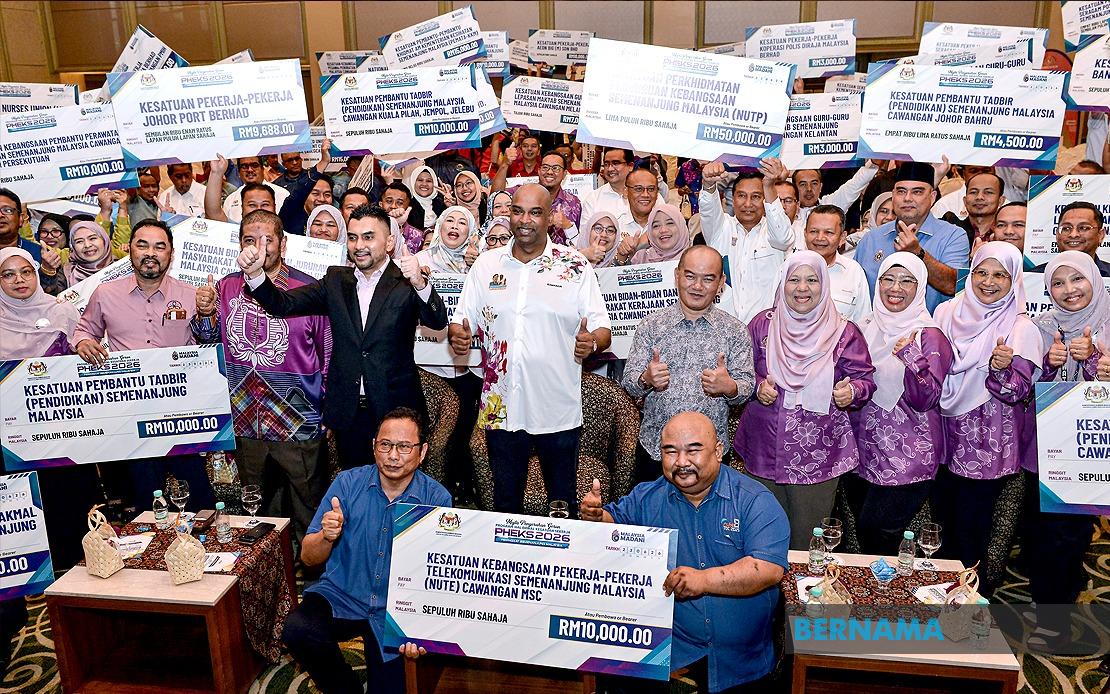
The nation's trade union movement faces a significant engagement challenge, with fewer than one in fifteen workers currently holding membership, according to Human Resources Minister Datuk Seri R. Ramanan. Speaking at a grant presentation ceremony for the Peninsular Malaysia Workers' Union Affairs Programme (PHEKS) 2026, he identified a substantial knowledge gap as the primary barrier to expansion, noting that many workers remain unaware of the comprehensive protections and advocacy that union membership provides.
Ramanan's assessment points to a systemic misunderstanding about the function of workers' organisations in Malaysia's labour ecosystem. Rather than viewing unions primarily as reactive bodies that intervene during workplace disputes, he argued that unions should be understood as proactive institutions designed to foster workplace standards and prevent conflicts from materialising in the first place. This reframing is significant for Malaysian policymakers, as it suggests that the six per cent participation rate may reflect not merely worker apathy but rather inadequate communication about the preventative value unions offer to their members and the broader workforce.
The minister positioned workers' unions within a tripartite framework that extends beyond traditional labour representation. According to his remarks, these organisations function as strategic partners for the government in pursuing equitable economic growth, while simultaneously maintaining the cooperative relationships between authorities, business owners, and employees that underpin Malaysia's labour market stability. This framing reflects official policy alignment toward inclusive development, though it also raises questions about whether unions can effectively balance advocacy for workers with collaborative partnerships that may sometimes constrain their independence.
Despite the modest current penetration rate, Ramanan expressed confidence in the sector's growth potential, suggesting that untapped demand exists among workers who would benefit from unionisation but have not yet sought membership. This optimism underpins the government's financial commitment to the sector, with total allocation of RM6.1 million announced for the PHEKS 2026 initiative nationwide. The funding structure reflects a two-part strategy: RM3.5 million dedicated to capacity-building activities including training, education, research, digitalisation and governance improvements, while RM2.6 million supports outreach campaigns and corporate social responsibility efforts designed to increase union visibility and appeal.
The allocation toward digitalisation and governance represents a recognition that Malaysia's unions must modernise their operations and communication channels to attract younger workers and maintain relevance in an increasingly technology-mediated workplace. This investment acknowledges that traditional union recruitment and administration methods may no longer suffice in attracting and retaining membership among workers accustomed to digital platforms and distributed work arrangements. The emphasis on governance improvements suggests official concern about maintaining institutional credibility and professional standards within the union movement.
Artificial intelligence and workforce automation featured prominently in Ramanan's remarks, underscoring that technological disruption presents both challenge and opportunity for Malaysian labour relations. As AI becomes embedded in production processes and service delivery across the economy, workers require updated skills to remain competitive while negotiating the terms under which such technologies are deployed in their workplaces. The minister linked this imperative to broader government programmes, notably the Jelajah AI MyMahir initiative operated through TalenCorp, which has allocated RM110 million for nationwide skills upgrading aimed at preparing Malaysians for technology-driven employment landscapes.
The connection between union membership and workforce resilience to technological change deserves scrutiny for Malaysian observers. Workers equipped with union representation may better influence how artificial intelligence and automation are implemented within their organisations, negotiating transition support, retraining provisions, and fair wage adjustments. Conversely, the relatively weak unionisation rate suggests that many Malaysian workers facing automation pressures lack collective bargaining mechanisms to shape technology adoption outcomes, potentially leaving them vulnerable to disruptive displacement without adequate safeguards.
Current union membership figures reveal an established but numerically modest movement within the Malaysian labour landscape. As of December 31, 2025, Malaysia registered 786 active workers' unions with aggregate membership exceeding 1.06 million individuals. This structure represents considerable organisational diversity, though the six per cent workforce penetration indicates that the vast majority of Malaysia's estimated 18 million workers operate outside unionised frameworks. For regional context, this participation rate sits below union penetration levels in several comparable Southeast Asian economies, suggesting scope for either expansion or structural impediments to unionisation in the Malaysian context.
The minister's stated conditions regarding future government funding reveal official expectations about union accountability and operational standards. Grants will be calibrated based on effective resource deployment and governance compliance, signalling that the government views its financial support as contingent on demonstrated institutional capacity and transparency. This conditionality reflects broader regulatory trends whereby state support for labour organisations comes paired with accountability mechanisms, creating potential tensions between union independence and governmental oversight that merit ongoing scrutiny from labour rights advocates.
For Malaysian employers and workers navigating the contemporary labour environment, the six per cent unionisation figure carries implications for collective bargaining dynamics and workplace negotiation patterns. Employers in non-unionised workforces operate within different regulatory and relational frameworks compared to unionised sectors, while workers in such environments lack formalised collective representation mechanisms. The government's stated commitment to expanding union awareness and capacity suggests official interest in broadening unionisation across the economy, though success will depend on whether prospective members perceive tangible value from membership and whether unions can demonstrate their effectiveness in addressing contemporary workplace concerns beyond traditional grievance resolution.
The roadmap emerging from Ramanan's announcements suggests a strategic push to deepen labour organisation participation through improved awareness, enhanced institutional capacity, and explicit linkage between union membership and workforce adaptability to technological change. Whether these investments generate sustained membership growth, however, will depend on unions' ability to demonstrate concrete benefits to workers while maintaining independence in their advocacy roles. For Malaysian policymakers, the challenge lies in fostering union strength without instrumentalising these organisations as extensions of state policy objectives.