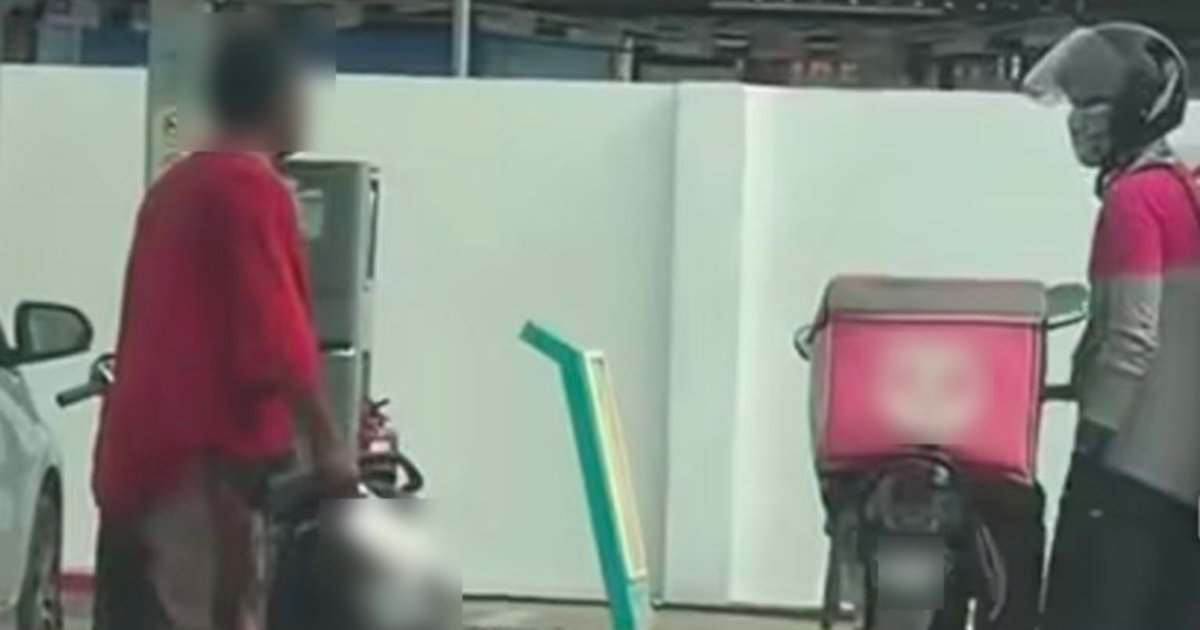
Police in Kuala Terengganu have arrested a man suspected of wielding a meat cleaver during a confrontation with a ride-hailing driver at a petrol station along Jalan Pasir Panjang yesterday afternoon. The incident underscores growing concerns about safety at commercial premises and the vulnerability of gig economy workers in Malaysia.
The alleged altercation took place at a fuel retail outlet in the state capital, a location typically frequented by commuters and service workers throughout the day. The presence of other customers and staff members at the petrol station meant the situation had potential to escalate into a more serious public safety matter, making the rapid police response particularly significant in containing the threat.
The ride-hailing sector has expanded dramatically across Malaysia over the past decade, transforming urban transportation and creating employment opportunities for thousands of drivers. However, workers in this sector frequently encounter unpredictable and occasionally hostile situations as they interface with diverse members of the public. Safety concerns among p-hailing drivers have become a recurring issue, with various industry associations calling for better protection measures and emergency response protocols.
Incidents involving weapons at public venues carry serious legal implications under Malaysian law. The brandishing of a cleaver—a large implement capable of causing significant injury—represents a criminal act that authorities treat with considerable gravity. Such behaviour violates public order and creates reasonable fear among witnesses and bystanders, justifying swift police intervention.
The investigation into the circumstances surrounding the confrontation will likely examine whether the incident stemmed from a dispute over fares, driving conduct, passenger behaviour, or entirely unrelated factors. Understanding the trigger is essential for authorities and the ride-hailing industry to identify preventive measures. The petrol station setting introduces additional complexity, as such locations house fuel pumps and other hazardous materials, making the situation potentially dangerous beyond the immediate threat posed by the weapon.
Kuala Terengganu, the capital of Terengganu on the east coast of Peninsular Malaysia, has witnessed increased attention to public safety issues in recent years. Local police maintain regular patrols and enforcement operations across commercial zones to deter criminal activity and protect residents and workers. This arrest reflects ongoing efforts to maintain order in busy commercial areas frequented by residents and transient populations.
The rise of gig economy work in Southeast Asia has created new labour dynamics that existing legal frameworks and workplace safety regulations sometimes struggle to address comprehensively. Ride-hailing drivers operate with minimal institutional buffer between themselves and potentially hostile encounters, unlike traditional taxi workers who often benefit from fleet management systems and dispatch oversight. This structural vulnerability explains why industry stakeholders increasingly advocate for dedicated safety features in mobile applications, panic buttons, and incident reporting mechanisms.
The weapon involved in this incident—a meat cleaver—raises questions about how such implements are regulated when carried in public spaces. Malaysian law permits possession of tools required for legitimate occupational purposes, but carrying them with apparent intent to threaten constitutes a separate criminal offence. The context of a petrol station, an environment subject to heightened security awareness, likely contributed to rapid intervention.
Police investigations following such incidents typically involve interviewing the suspect, gathering statements from witnesses including the ride-hailing driver and petrol station staff, and reviewing any available surveillance footage. The petrol station's security systems may provide crucial evidence documenting the sequence of events, the suspect's behaviour, and the weapon itself. This comprehensive investigative approach helps establish the precise nature of charges and strengthens the prosecution case.
The arrest sends a signal to the public about law enforcement's commitment to protecting workers in the gig economy, a sector often overlooked in workplace safety discussions. Ride-hailing drivers generate substantial economic value and provide essential services to Malaysian communities, yet they frequently operate outside traditional employment protections. High-profile enforcement actions help reinforce that aggressive or threatening conduct toward these workers will face legal consequences.
For ride-hailing platforms operating in Malaysia, incidents of this nature prompt reviews of safety protocols and driver support systems. Many platforms have implemented emergency alert features, real-time location sharing with emergency contacts, and cooperation agreements with police for rapid response. Enhanced driver training on de-escalation techniques and conflict avoidance also forms part of broader safety strategies adopted by responsible operators.
The broader context of public safety in commercial spaces extends beyond this single incident to reflect systemic questions about community security and conflict resolution. Petrol stations serve as vital infrastructure hubs where diverse individuals converge, creating both opportunities for conflict and necessity for robust safety measures. Ongoing dialogue between police, business operators, and workers helps identify vulnerabilities and develop collaborative solutions.
As investigations proceed, this case will likely contribute to evolving jurisprudence regarding weapon-related offences and threats against workers in emerging employment sectors. The outcome may influence how law enforcement nationwide approaches similar incidents involving ride-hailing drivers and other gig economy participants.

