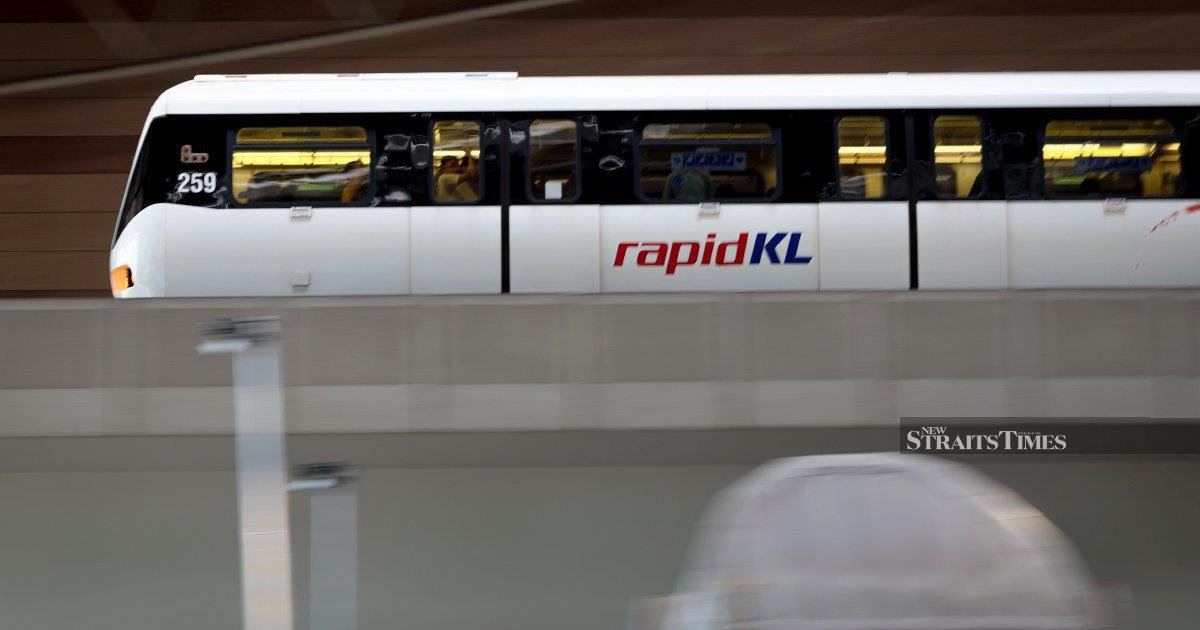
A man has been apprehended by authorities following an incident in which he unlawfully entered the operational tracks of Rapid KL's Shah Alam Line at Jalan Meru Station, forcing the transport operator to temporarily halt services during the morning peak. The breach of railway security took place in the early hours, creating congestion along one of Kuala Lumpur's vital commuter corridors and affecting thousands of daily travellers who depend on the light rail system to navigate across the city.
The incident underscores growing concerns about unauthorised access to critical transport infrastructure in the Klang Valley. Track intrusions, whether deliberate or accidental, pose severe safety hazards not only to trespassers themselves but also to train operators and passengers aboard moving carriages. A momentary lapse in attention or unexpected human presence on the rails can force emergency braking procedures that create cascading delays throughout the network.
Rapid KL, which operates an extensive portfolio of bus and rail services across the greater Kuala Lumpur area, maintains strict protocols to ensure passenger safety and service reliability. The operator has invested significantly in security measures, including CCTV monitoring and fencing along vulnerable sections of track, yet determined trespassers continue to pose challenges to operational efficiency. Railway authorities typically implement extended security patrols during peak hours and coordinate closely with law enforcement to deter unauthorised access.
The Shah Alam Line, which connects commuters between the Klang Valley and central Kuala Lumpur, handles substantial passenger volumes daily. Disruptions along this route have multiplier effects, forcing commuters to seek alternative transport modes and straining bus services that operate parallel routes. For businesses and employees dependent on punctual arrival times, even brief service interruptions can cascade into lost productivity and cascading appointment cancellations throughout the day.
Facility breaches on rapid transit systems are not isolated incidents across Southeast Asia. Major metropolitan rail operators in Singapore, Bangkok, and Jakarta have similarly grappled with trespassing incidents that necessitate enhanced security protocols and public awareness campaigns. The underlying causes vary, ranging from individuals seeking shortcuts across the network to more serious incidents involving attempted railway interference or self-harm situations requiring mental health interventions.
Authorities investigating the Jalan Meru Station incident are seeking to establish the precise circumstances that led to the man's unauthorised entry onto the tracks. Understanding motivation patterns helps transit police refine their preventive strategies and identify whether the incident represents an isolated occurrence or part of a concerning trend. Intelligence gathered from such investigations informs security upgrade recommendations and staff training protocols across the wider Rapid KL network.
Public education campaigns remain instrumental in reducing track trespassing incidents. Many commuters remain unaware of the immediate dangers posed by proximity to electrified rails or the sudden acceleration of incoming trains. Rapid KL periodically releases safety reminders through its official channels, emphasising that designated pedestrian crossings and station platforms provide the sole safe means of navigating the rail network.
The arrest and subsequent processing of the suspect represents standard procedure for railway security breaches. Depending on the circumstances and any prior offences, penalties can range from monetary fines to custodial sentences, with legal provisions under Malaysian rail transport regulations establishing clear consequences for endangering network operations. Magistrate courts typically expedite such cases given their relatively straightforward factual foundations.
For the commuting public, incidents like this serve as reminders of the fragile balance required to maintain seamless transit operations in dense urban environments. Behind every timetable sits complex coordination involving hundreds of staff, sophisticated signalling systems, and adherence to strict safety protocols. A single breach of those protocols—whether by passengers, trespassers, or infrastructure failures—threatens the predictability that modern city life demands.
Looking forward, transit operators across Malaysia will likely intensify security presence at vulnerable access points and accelerate digital monitoring technologies designed to detect unauthorised presence on restricted areas. Collaboration between Rapid KL, the police force, and community stakeholders remains essential to create multiple layers of deterrence. Public cooperation in reporting suspicious activities near rail infrastructure equally contributes to maintaining the safety and reliability that millions of daily commuters have come to expect from the Klang Valley's expanding rapid transit network.

