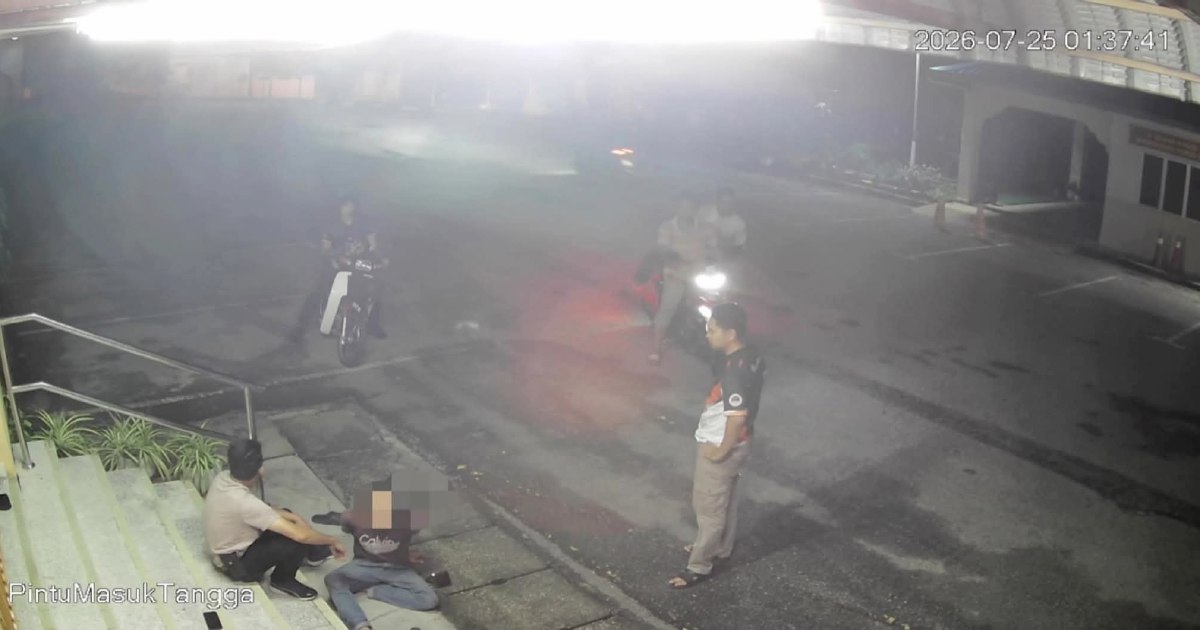
Authorities in Selangor have made a breakthrough in a case that had troubled the congregation of Masjid Bandar Baru Sungai Buloh, with the arrest of a man accused of systematically removing money from the mosque's donation containers. The apprehension marks the conclusion of what officials believe was an extended pattern of theft targeting the charitable contributions held in the facility's collection boxes.
The suspect's arrest comes after a series of incidents at the mosque that had raised concerns among worshippers and religious leaders about the security of donations intended for Islamic charitable purposes. Such cases of theft from places of worship represent a particularly sensitive matter within Muslim communities, as the donations constitute zakat and other forms of prescribed charity that hold spiritual significance beyond their monetary value. The repeated nature of the alleged offences suggests the thief may have exploited gaps in security monitoring or identified patterns in cash collection procedures.
Mosques across Malaysia maintain donation boxes as a standard feature to facilitate the congregation's observance of Islamic giving principles. These contributions typically support mosque operations, maintenance, and community welfare programmes. The trust placed in donors—who believe their gifts are secure and properly administered—makes theft from these repositories a breach of both religious and social responsibility. For many worshippers, discovering that someone has been systematically raiding these boxes represents a betrayal of the sacred space and communal values the mosque embodies.
The Sungai Buloh community, located in the Petaling Jaya area of Selangor, has a substantial Muslim population that relies on Masjid Bandar Baru Sungai Buloh as a central gathering place for daily prayers and religious activities. The mosque serves not only as a place of worship but as a social hub where members of different generations and backgrounds come together. The allegations of theft would have sparked conversations and concerns throughout this interconnected community, potentially affecting the sense of security that congregants feel when making their donations.
The investigation leading to the arrest likely involved cooperation between mosque management, who would have noticed discrepancies in expected donation amounts, and police authorities. Modern mosques sometimes install security cameras or implement other protective measures, though not all facilities have comprehensive surveillance systems in place. The decision to escalate the case to formal law enforcement action suggests that mosque officials gathered sufficient evidence or that the frequency of thefts had reached a critical threshold warranting police intervention.
Theft from religious institutions has been documented across different faiths and communities in Malaysia, pointing to a broader social challenge rather than an isolated incident. These cases often reflect economic desperation, substance abuse issues, or opportunistic criminal behaviour. Understanding the underlying motivations behind such crimes can inform both preventative security measures and potential rehabilitation approaches. The arrest of this particular suspect may provide investigators with insights that could help prevent similar offences at other places of worship in the region.
Mosque administrators nationwide face the delicate task of maintaining welcoming, open environments while simultaneously protecting their assets and the integrity of donation systems. The balance between accessibility and security is particularly important in Malaysian Islam, where the concept of giving to fellow community members and to religious institutions is deeply embedded in faith practice. Enhanced security measures, such as installing locked boxes with restricted access or implementing digital collection systems, represent potential responses to such incidents.
The case underscores the importance of transparency and accountability in managing mosque finances and donations. Many mosques now maintain detailed records of collection amounts and implement verification procedures to detect irregularities quickly. Such administrative safeguards can deter potential thieves by increasing the likelihood of detection and can also reassure donors that their contributions are being properly tracked and utilized. The arrest in Sungai Buloh may prompt other mosques in Selangor and beyond to review their own security protocols and collection procedures.
For the Sungai Buloh community, the arrest should provide some measure of closure and reassurance that their concerns were taken seriously by authorities. The resolution of this case demonstrates that even seemingly minor or persistent petty theft will ultimately be addressed through the criminal justice system. However, the incident also serves as a reminder that vigilance and practical security measures remain necessary components of managing community institutions effectively, particularly those handling regular cash donations.
The broader implications for mosque management across Malaysia suggest a need for continued dialogue between religious leaders, community members, and law enforcement about balancing the values of charity and community openness with practical security realities. As mosques continue to evolve in their operational practices, incorporating modern accountability measures without compromising their fundamental role as inclusive spaces for the faithful represents an ongoing challenge worth addressing systematically.

