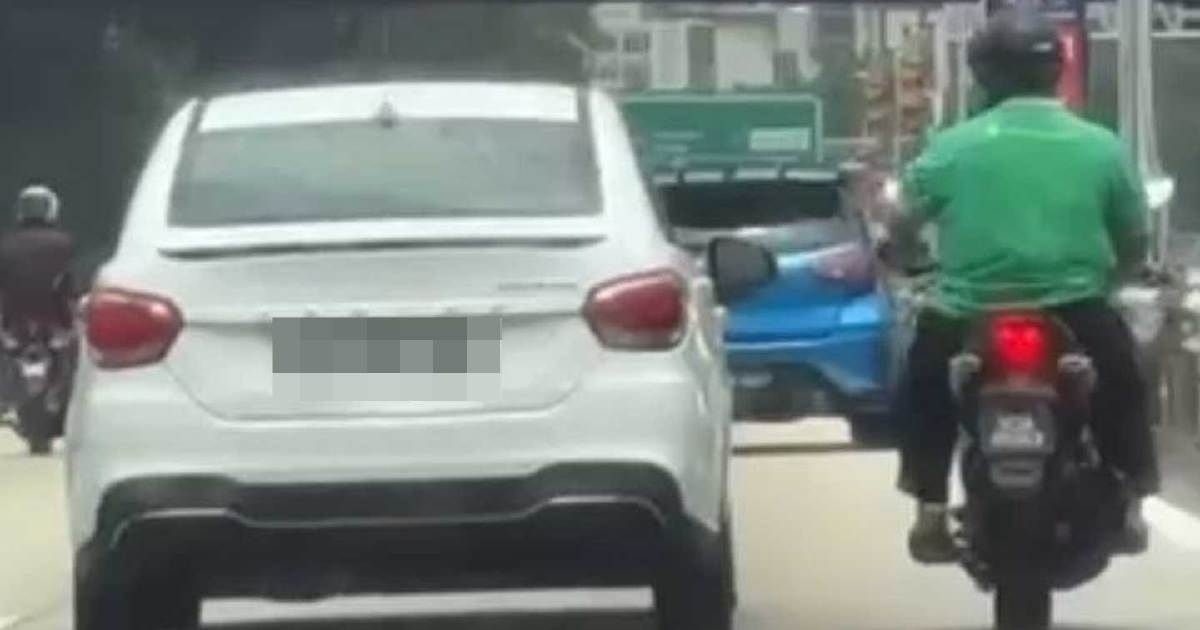
A technician aged in his 30s has been taken into custody by the Royal Malaysia Police following an incident in which he allegedly hurled a stone at a vehicle on the Kuala Lumpur-Seremban Expressway near Sungai Besi. The altercation, which escalated from an initial road dispute, resulted in damage to the targeted car and prompted a rapid police response to the scene.
The incident underscores a troubling pattern of road rage incidents occurring along Malaysia's major expressways, where minor traffic disagreements frequently develop into confrontations involving property damage and threats to public safety. The KL-Seremban corridor, one of the nation's busiest transport arteries, has experienced multiple such incidents in recent years, reflecting broader concerns about driver behaviour and impulse control on congested highways.
Police officers arrived at the Sungai Besi location following reports of the altercation and successfully apprehended the suspect before he could leave the area. The swift intervention prevented any escalation of tensions between the parties involved, though details regarding whether the two drivers remained at the scene or whether injuries were sustained have not yet been disclosed.
This case represents a continuation of dangerous vehicular confrontations that have become increasingly common across Malaysian highways. Instances of drivers engaging in aggressive behaviour—ranging from verbal confrontations to physical altercations and property destruction—regularly feature in police reports, with many incidents going unreported due to drivers' reluctance to lodge formal complaints or involvement of authorities.
The arrest highlights enforcement efforts by the police to deter aggressive driving behaviour and maintain order on major expressways. Such apprehensions send a clear message that road rage and property damage resulting from traffic disputes carry legal consequences, though critics argue that awareness campaigns and education regarding traffic etiquette remain insufficiently funded and promoted.
Expressway management authorities and traffic enforcement agencies have long grappled with the challenge of preventing escalated disputes between motorists. While installation of closed-circuit television cameras at various locations has improved monitoring capabilities, the sheer volume of traffic during peak hours makes comprehensive surveillance difficult, and many incidents occur in areas with limited camera coverage.
The psychological pressures inherent to highway driving—prolonged concentration, time constraints, and the frustration of congestion—can amplify tensions when minor traffic incidents occur. A simple lane change, perceived horn honk, or parking manoeuvre can rapidly transform into a confrontation if either party responds defensively rather than exercising restraint and assuming good intentions from fellow road users.
The consequences of such disputes extend beyond immediate property damage. Other motorists travelling on the same road face heightened risk should confrontations escalate unpredictably or if objects remain on the expressway surface following such incidents. Emergency response teams are occasionally required to attend scenes, diverting resources from other urgent calls.
Malaysian road safety advocates have repeatedly called for more comprehensive driver education programmes focusing on conflict de-escalation and emotional regulation while driving. The currently available options—driving school courses and the standard licensing examination—allocate minimal time to these critical soft skills, despite evidence suggesting that driver attitude and temperament significantly influence accident and incident rates.
Legal frameworks already exist to address such offences, encompassing charges related to criminal damage, dangerous driving, and threatening behaviour depending on the specific circumstances. The arrest in this case indicates that police are prepared to prosecute such matters, though prosecution rates remain relatively modest compared to the actual frequency of road rage incidents reported informally among Malaysian drivers.
As the country continues to experience rapid urbanisation and vehicle ownership growth, the pressures on expressway networks will intensify further. Simultaneously, commuting conditions that fuel frustration and aggressive behaviour will likely become more pronounced, making investment in both physical infrastructure improvements and behavioural interventions increasingly essential for protecting public safety on Malaysian highways.
The incident serves as a reminder that every driver shares responsibility for maintaining civil and respectful conduct on public roads. While temporary lapses in judgment occur across all demographic groups, the decision to escalate a minor disagreement into a confrontation involving property damage or violence represents a conscious choice to prioritise anger over safety and legality. As police continue processing this case, authorities are expected to pursue it to conclusion, potentially serving as a cautionary example for other motorists who may be tempted toward similar behaviour.

