A 34-year-old man has been detained by Jakarta police in connection with a bomb threat that forced the closure of an elementary school in the Jagakarsa district on Monday, disrupting the start of the academic year for hundreds of students and staff. The suspect, identified only by the initials MY, was apprehended near the premises of SD Srengseng Sawah 15 Pagi state elementary school shortly after authorities received word of a threatening message sent via WhatsApp to school personnel.
According to the South Jakarta Police, the digital message contained a claim that explosives had been positioned at eleven distinct locations throughout the school compound. The warning came through during morning assembly, when students and teachers had gathered for a flag-raising ceremony, creating a tense situation that required swift action from school administrators and law enforcement officials.
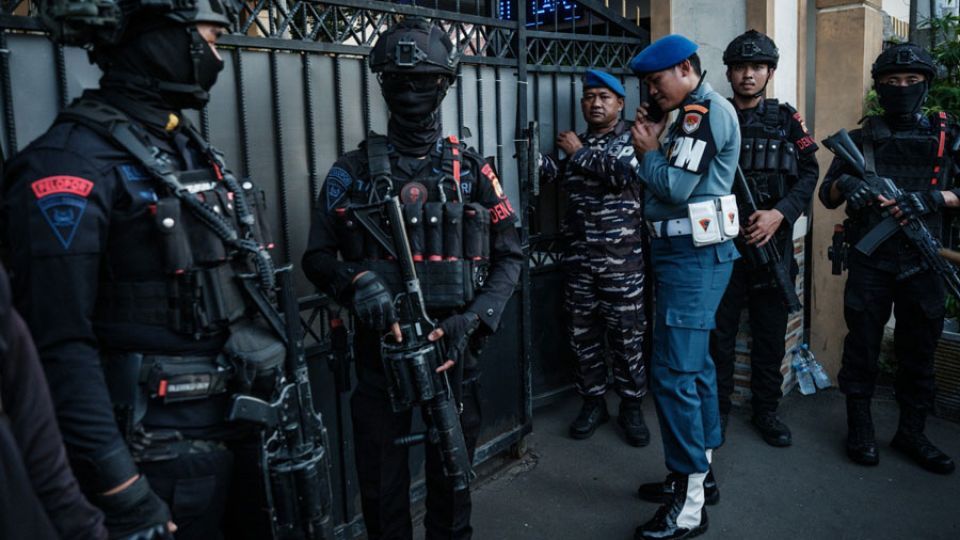
The gravity of the threat prompted an extensive security response. Investigators deployed the Gegana bomb disposal team and personnel from Densus 88, Indonesia's elite counterterrorism unit, to conduct a comprehensive search of the entire school facility. Despite the urgent nature of the alert, the sweeping operation found no actual explosives or suspicious devices anywhere on campus, providing relief to parents and educators who had feared the worst.
Greater Jakarta Police spokesperson Sr. Comr. Budi Hermanto confirmed on Monday that MY, who reportedly resides in the vicinity of the school, had been placed in custody for questioning at South Jakarta Police headquarters. Investigators are working to establish whether the suspect acted alone and what factors motivated him to craft such a disruptive hoax during the sensitive opening weeks of the school year.
According to Jagakarsa Police chief Comr. Nurma Dewi, the threatening message had been distributed to multiple recipients within the school community, including teaching staff and administrative personnel. The threat arrived while the student body remained assembled for the morning flag ceremony, meaning the initial recipients did not immediately alert authorities. It was only after the ceremony concluded that school staff reported the message to police, triggering the emergency protocols that led to a rapid evacuation of the premises.
The incident raises concerns about school security in the Jakarta metropolitan area and the vulnerability of educational institutions to coordinated threats, whether genuine or fabricated. South Jakarta, home to numerous schools catering to both low-income and middle-class families, has experienced similar security incidents in past years, though such occurrences remain relatively uncommon across the city's sprawling education sector.
The timing of the threat on the first day of school is particularly significant, as it disrupted the routine that students and families had been preparing for over the school holiday. The psychological impact of such incidents can extend well beyond the initial disruption, affecting parents' confidence in school safety protocols and prompting broader discussions about emergency preparedness across Jakarta's education system.
Investigators have not yet disclosed whether the suspect had any prior connections to the school, harbored grievances against staff members, or acted on the basis of a personal dispute. Understanding the motive behind the threat is crucial for determining whether additional security measures may be necessary not only at SD Srengseng Sawah 15 Pagi but at other schools across the district and potentially the wider metropolitan region.
The incident underscores the challenges facing security agencies in distinguishing between genuine threats and hoaxes in an era of ubiquitous digital communication. While false alarms can seem less serious than genuine plots, they nonetheless consume significant police and emergency resources, disrupt educational activities, and generate unnecessary panic among students and parents. The investigation into MY's conduct may shed light on whether he understood the consequences of his alleged actions or whether other factors were at play.
As the school moves forward, administrators will likely review and potentially strengthen their crisis management procedures to ensure faster reporting and coordination with law enforcement in future incidents. The case also reflects broader concerns about public security in Indonesia's densest urban areas, where millions of people live in close proximity and instances of social conflict or individual instability can quickly escalate into community-wide emergencies if not carefully managed.

