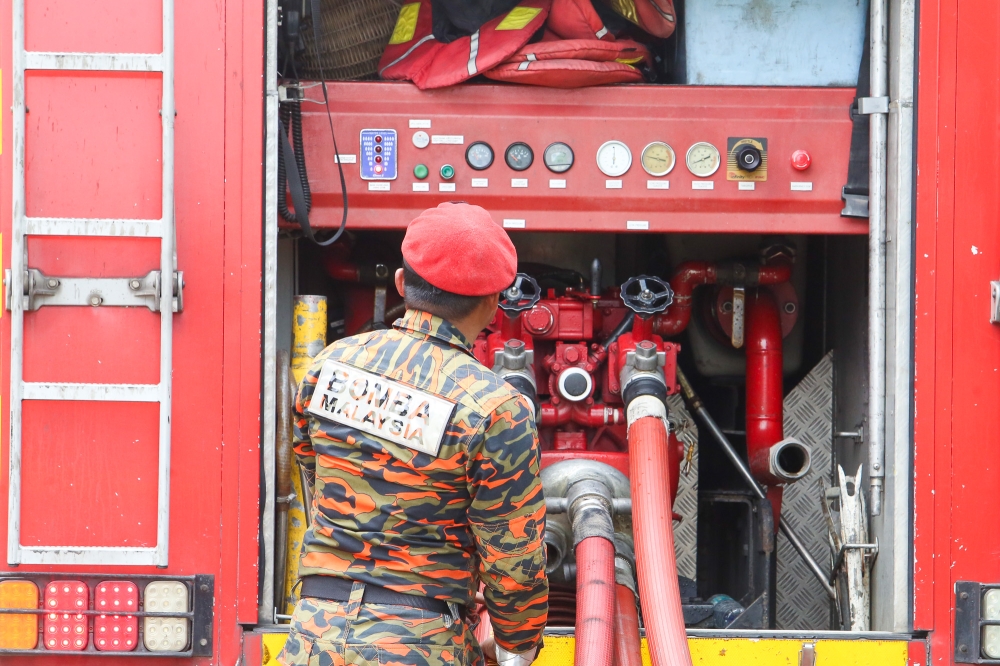
Police in Jitra have arrested a suspect in connection with an alleged arson attack on a residential property in Kampung Sunga, with investigators treating the incident as a deliberate act following a serious domestic dispute. The arrest came after officers responded to a fire at the victim's home, establishing a potential motive rooted in longstanding family tensions that had escalated into violence.
The suspect's alleged actions represent a particularly troubling category of crime that intersects family breakdown with property destruction and endangerment. Such cases underscore the volatile nature of unresolved domestic conflicts, where emotional distress can manifest in destructive criminal behaviour. The Jitra district, like many areas across Malaysia, has seen occasional incidents where internal family grievances spill over into public safety concerns requiring police intervention.
Investigators moved swiftly to apprehend the suspect following initial observations at the scene suggesting the fire was not accidental but rather deliberately started. The circumstances of the dispute remain under examination, with police working to establish a comprehensive timeline of events leading to the alleged arson. Such investigations typically involve forensic analysis of the fire's point of origin, statements from witnesses, and interviews with family members to reconstruct the sequence of escalating tensions.
The arrest demonstrates how quickly family disputes can transform into serious criminal matters with potential to cause significant harm and loss. The mother's home represents not merely property but a personal sanctuary, making the alleged violation of that space particularly heinous in nature. Cases involving family members as perpetrators of such acts often carry additional emotional weight for victims, who must confront betrayal within their closest circles.
Jitra, located in the northern Kedah state, has maintained generally stable community relations, though like all populated areas it experiences occasional criminal incidents reflecting broader social issues. The fire at Kampung Sunga represents an escalation from typical domestic disputes, transforming what might have begun as arguments into actionable criminal conduct. Such escalations highlight the critical importance of early intervention in family conflicts before they reach dangerous thresholds.
Police have committed to pursuing the investigation thoroughly, examining available evidence to substantiate charges and determine the precise circumstances of the alleged arson. The investigation will necessarily involve technical analysis by fire safety specialists alongside standard criminal investigation procedures. Documentation from emergency responders and neighbours who witnessed the incident will likely provide crucial supporting evidence.
The implications of this case extend beyond the immediate individuals involved to broader questions about domestic violence prevention and family conflict resolution services available in Malaysian communities. While not all family disputes involve physical violence, the progression from argument to property destruction demonstrates how inadequate support systems can allow situations to deteriorate. Mental health services, mediation facilities, and crisis intervention programmes play vital preventive roles that deserve greater emphasis in public discourse.
For Malaysian readers following such cases, the arrest serves as a reminder of how quickly destructive situations can develop within family contexts. The incident also highlights the critical role of neighbours and community members in alerting authorities to dangerous situations before they escalate further. Early reporting of suspicious behaviour or escalating disputes can prevent tragedies and connect troubled individuals with appropriate intervention services.
The suspect now faces serious criminal charges related to the alleged arson, with prosecution presenting what appears to be a relatively straightforward factual case supported by circumstantial evidence of motive and opportunity. Malaysian courts have consistently taken arson offences seriously, particularly those involving residential properties where public safety risks extend beyond the direct victims to neighbouring households. The legal process will unfold over coming months as evidence is compiled and presented.
This case also underscores regional trends in Malaysia where family-related criminal incidents require coordinated responses from police, fire services, medical personnel, and social support agencies. The Jitra incident, while isolated, reflects patterns observed across the country where unmanaged domestic tensions occasionally manifest in dangerous criminal conduct. Community awareness campaigns promoting conflict resolution and mental health support could help reduce the frequency of such tragic escalations.

