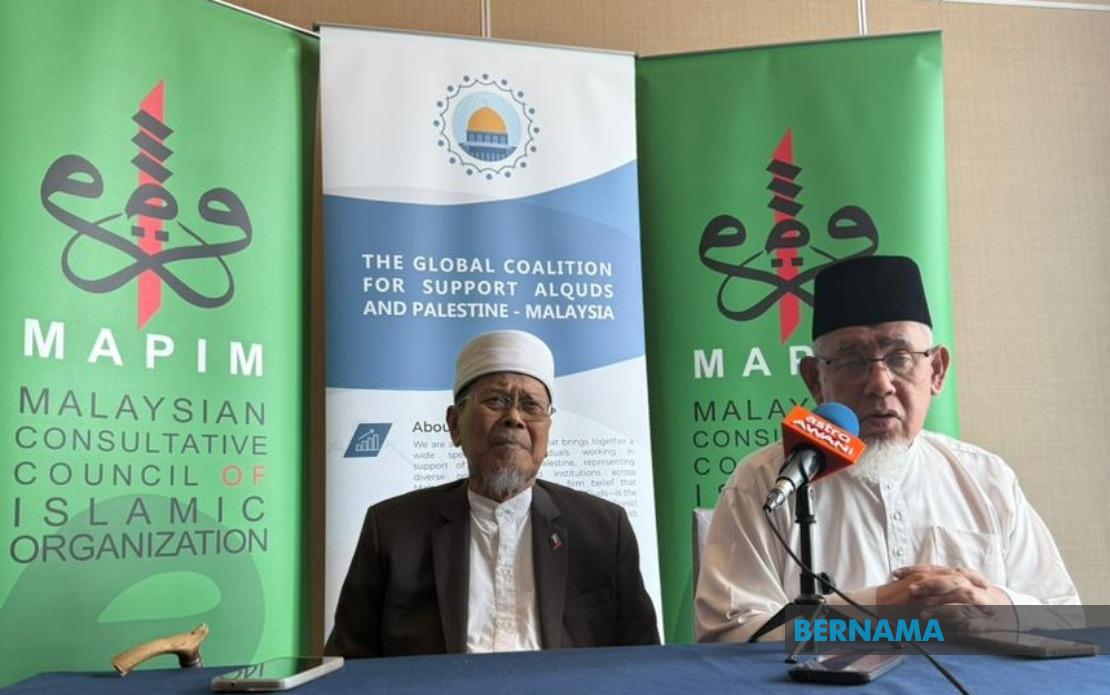
Malaysia's leading Islamic consultative body is mobilising resources to support Nepal in the aftermath of a catastrophic natural disaster that has claimed hundreds of lives and left the Himalayan nation struggling with one of its worst humanitarian crises in recent years. The Malaysian Consultative Council of Islamic Organisations (MAPIM) will dispatch a humanitarian mission beginning September 5 to provide emergency assistance to communities devastated by severe flash flooding triggered by an avalanche.
According to MAPIM president Mohd Azmi Abdul Hamid, the organisation has already established contact with Nepal's diplomatic mission in Malaysia to gather preliminary information about ground conditions and priority needs. This early coordination reflects the urgency of the situation and demonstrates how Malaysian relief organisations are working through official channels to ensure their efforts complement broader international response mechanisms already in place.
The initial deployment will comprise four MAPIM volunteers tasked with conducting comprehensive needs assessments across affected regions and establishing coordination frameworks for delivering aid efficiently. Rather than operating in isolation, MAPIM is actively building a coalition of local and international partners to amplify the impact of relief efforts. The humanitarian organisation MyCare has already committed to collaboration, and MAPIM is liaising with two established Nepal-based NGOs to ensure on-ground expertise and cultural familiarity guide distribution of assistance.
The scale of the disaster underscores the urgency of Malaysia's response. On August 26, a massive avalanche triggered torrential flash floods that tore through Nepal's mountainous terrain, leaving at least 469 people confirmed dead and over 1,400 individuals missing or unaccounted for. Among the missing are approximately 540 foreign nationals caught in what many have described as an unprecedented catastrophe. The disaster struck along a critical trekking route linking Kathmandu to Lhasa in Tibet—a pathway that channels thousands of international tourists and mountaineers through the affected area each year.
The physical destruction wrought by the flooding was extraordinary in its intensity. Enormous volumes of water, rock, ice, mud and debris surged through Himalayan river systems with devastating force, obliterating villages, destroying critical infrastructure, and fundamentally altering the landscape across multiple valleys. The speed and power of the torrent left little time for evacuation or emergency response, making the death toll and missing persons figures particularly tragic.
Malaysia faces its own emergency regarding the disaster's human toll. The Ministry of Foreign Affairs reported that 57 Malaysian citizens remained unaccounted for as of August 27 evening, according to notifications from their families, colleagues and employers. This represents a significant number for a single nation and reflects the popularity of Nepal as a destination for Malaysian trekkers and adventure tourists seeking to experience the Himalayan environment.
Mohd Azmi emphasised that MAPIM's assessment has identified medical supplies as the most critical immediate need, followed by distribution of basic food provisions to survivors. These priorities reflect the reality that disaster victims often face secondary health crises following major flooding events, including waterborne disease, infection of wounds, and malnutrition. By concentrating initial resources on healthcare and nutrition, MAPIM is targeting interventions with the highest potential to save lives and prevent further suffering.
The MAPIM initiative represents more than a single organisation's charitable response. Mohd Azmi indicated that the mission will be formally presented to Prime Minister Datuk Seri Anwar Ibrahim, suggesting government-level coordination and potential integration with Malaysia's broader diplomatic and humanitarian framework. This positioning places the relief effort within national foreign policy objectives and may facilitate access to additional government resources or diplomatic channels.
Beyond the immediate practical assistance, Malaysian officials view the mission as an expression of regional solidarity and mutual support. Mohd Azmi framed the deployment as reflecting Malaysian society's collective desire to alleviate suffering and demonstrate that disaster victims are not forgotten by the international community. This sentiment resonates particularly in Southeast Asia, where countries have themselves experienced devastating floods, earthquakes and tsunamis, creating a shared understanding of disaster vulnerability and recovery challenges.
The coordination between MAPIM and international humanitarian partners like MyCare signals an evolution in how Malaysian civil society approaches overseas crises. Rather than duplicating efforts or operating through parallel structures, organisations are increasingly building integrated response mechanisms that combine Malaysian resources and commitment with local expertise and established presence. This collaborative model reflects global best practices in disaster relief and enhances the probability that assistance reaches those who need it most.
For Malaysian families with missing relatives in Nepal, the deployment of a dedicated relief mission provides both practical support and symbolic reassurance that their government and civil society institutions are actively engaged in search and recovery efforts. The mission will serve multiple functions simultaneously: delivering emergency aid, gathering intelligence about missing persons, and providing first-hand information to Malaysian authorities managing the consular crisis.
The Nepal disaster highlights persistent vulnerabilities in mountain regions where climate patterns, geological instability, and high population density converge. As climate change intensifies weather patterns across Asia, such catastrophic flooding events may become increasingly common, necessitating stronger regional cooperation frameworks and pre-positioned disaster response capabilities. MAPIM's proactive deployment suggests Malaysian organisations are taking these warnings seriously and building institutional capacity to respond rapidly when the next crisis occurs.

