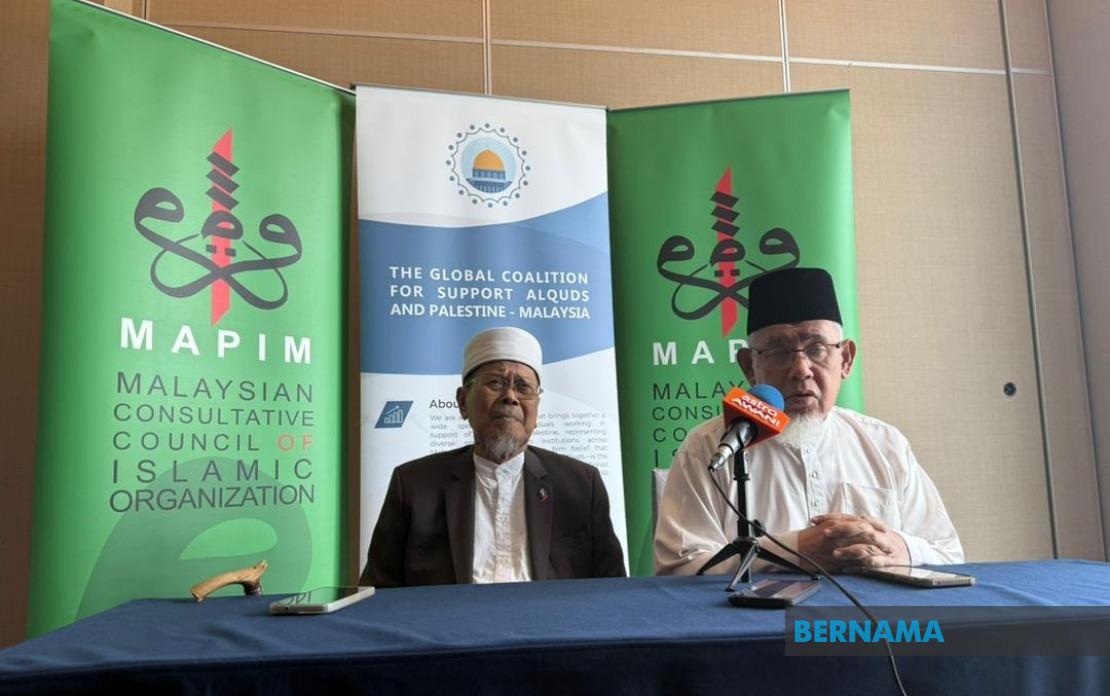
Starting tomorrow, Ipoh will become the focal point of a significant regional gathering aimed at repositioning mosques as vital institutions within Muslim communities across Southeast Asia. The Malaysian Consultative Council of Islamic Organisations (MAPIM), working alongside the Perak Islamic Religious Department (JAIPk), is organising a two-day Regional Mosque Conference 2026 that brings together approximately 400 mosque leaders and administrators from Malaysia and eight neighbouring countries.
The conference draws participation from Indonesia, Singapore, Brunei, Timor-Leste, Myanmar, Cambodia, Thailand and Vietnam, while also hosting delegations from Turkiye, Iran and Pakistan. This broad geographic representation underscores the forum's ambition to establish a unified front on matters affecting Muslim communities throughout a region home to hundreds of millions of adherents. MAPIM president Mohd Azmi Abdul Hamid framed the initiative as extending beyond ceremonial commemoration, describing it as a strategic moment to recalibrate how mosques function within their respective societies.
The timing connects directly to World Mosque Day, annually observed on August 21 to remember the 1969 arson attack on Al-Aqsa Mosque in occupied Jerusalem. Rather than treating this observance as a routine calendar event, MAPIM intends to harness the symbolic weight of this date to catalyse concrete action. Mohd Azmi emphasised that commemorating World Mosque Day should catalyse substantive efforts to strengthen mosques as organisational anchors for Muslim communities, moving beyond passive memorial gestures toward active institutional renewal.
The conference framework rests on seven primary objectives designed to address contemporary challenges facing Islamic institutions. These include establishing a structured regional cooperation network linking mosques across Southeast Asia, encouraging meaningful youth engagement within mosque activities, fostering community economic participation tied to Islamic institutions, and deepening collaborative relationships with Islamic non-governmental organisations. This multifaceted approach recognises that mosque functionality extends beyond ritual worship to encompass social services, economic support and intergenerational knowledge transmission.
What distinguishes this gathering is its commitment to generating tangible outputs rather than concluding with speeches alone. The assembled leaders will collectively produce a formal declaration alongside a sustainable action plan with specific, implementable strategies that extend beyond the conference dates. This emphasis on documented commitments reflects a sophisticated understanding that regional cooperation requires binding frameworks and accountability mechanisms rather than aspirational rhetoric.
The conference agenda incorporates academic presentations and structured international dialogues alongside dedicated discussions focused on Palestine and Al-Aqsa Mosque. These thematic elements address contemporary geopolitical concerns directly affecting Muslim consciousness and solidarity across the region. Malaysia, with its significant Muslim majority and vocal international platform, positions itself through MAPIM as a convener capable of translating grassroots Islamic sentiment into coordinated regional positions on these humanitarian questions.
Three major initiatives will launch during the conference, each addressing distinct gaps in contemporary Islamic institutional capacity. A regional mosque coalition dedicated to Palestine establishes a formal mechanism for sustained advocacy and coordinated messaging around this issue. Simultaneously, publication of a comprehensive book examining the role of mosques in contemporary Muslim societies provides intellectual scaffolding for deeper institutional reflection and comparative analysis across cultural and national contexts. The third initiative, the MAPIM Gold Dinar, introduces an innovative fundraising mechanism designed to mobilise public contributions toward the Al-Aqsa Mosque Fund.
The MAPIM Gold Dinar represents a particularly sophisticated approach to diaspora engagement and popular fundraising. By creating a tangible, purchasable instrument rather than requesting abstract donations, the initiative lowers barriers to participation while creating a memorable asset that reinforces contributor identity with the cause. For Malaysian Muslims and their counterparts throughout Southeast Asia, acquiring gold dinars transforms passive sympathy into active material support, while the instrument's value retention provides psychological reassurance that contributions serve long-term institutional preservation rather than ephemeral campaigns.
Mohd Azmi articulated the conference's broader strategic vision as sending a powerful message to Southeast Asian Muslims about the necessity of mosque revitalisation and proactive institutional advancement. This framing acknowledges that mosques across the region face modernisation pressures, demographic shifts, and competition for community attention from secular institutions and digital platforms. By gathering regional leadership to collectively address these challenges, MAPIM positions the conference as a turning point toward more assertive, strategically conscious Islamic institutional management.
The conference carries particular significance for Malaysia's position within the Organisation of Islamic Cooperation and wider Muslim world diplomacy. By hosting this regional forum and launching initiatives addressing Palestinian concerns, Malaysia reinforces its credentials as a serious voice for Southeast Asian Muslim interests within international discussions. This functions simultaneously as domestic political messaging to Malaysia's Muslim constituency and as international positioning within broader Islamic solidarity networks.
For regional observers, the Ipoh conference reflects deeper currents within Southeast Asian Islam: the increasing sophistication of institutional coordination, the integration of humanitarian advocacy with internal capacity-building, and the emergence of Malaysia as a regional convening power. The gathering demonstrates that contemporary Islamic leadership increasingly operates through structured conferences, formal declarations, and coordinated institutional networks rather than relying solely on clerical pronouncements or state mandates.
The participation of international delegations from Turkiye, Iran and Pakistan signals MAPIM's attempt to connect Southeast Asian Islamic institutions with broader Muslim world frameworks while maintaining regional autonomy. This balancing act—drawing on international Islamic experience while prioritising Southeast Asian contexts—shapes how the conference positions itself within multiple concentric circles of Islamic identity and solidarity.

