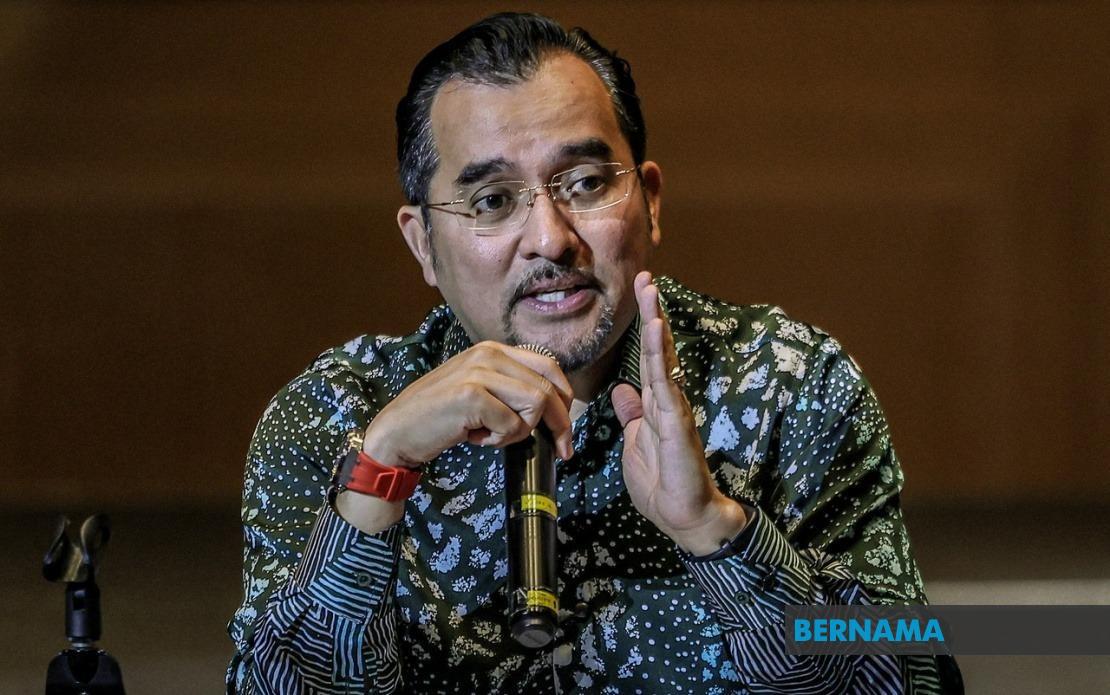
The Majlis Amanah Rakyat (MARA) is preparing sweeping institutional reforms through a new bill set for parliamentary presentation before 2026 closes, according to MARA chairman Datuk Dr Asyraf Wajdi Dusuki. The proposed legislation represents a significant recalibration of how Malaysia's principal Bumiputera development agency operates, with governance overhaul dominating the reform agenda. Speaking about the bill, which has secured Cabinet approval in principle, Asyraf Wajdi emphasised that the structural changes reflect lessons learned from past institutional challenges that have periodically undermined public confidence in MARA's stewardship of Bumiputera and Malay advancement programmes.
Governance concerns have shadowed MARA's operations for years, ranging from allegations of mismanagement to concerns about financial discipline and procurement irregularities. The new bill directly addresses these vulnerabilities by establishing clearer institutional boundaries and accountability mechanisms. Around 80 per cent of the proposed MARA Bill 2026 concentrates specifically on corporate governance architecture, signalling that the agency recognises systemic structural deficiencies rather than isolated personnel problems. This comprehensive approach suggests policymakers view institutional reform as essential to MARA's credibility and effectiveness in fulfilling its mandate to uplift Bumiputeras economically and socially.
A cornerstone provision substantially narrows the chairman's executive reach. Under the existing MARA Act 1966, the chairman wielded expansive authority. The new bill curtails these powers to core functions: presiding over the Board or Council and determining broad policy direction. This separation distinguishes between governance responsibility and day-to-day management oversight, reducing opportunities for concentrated decision-making that historically enabled problematic disbursements or procurement decisions. Such restructuring aligns MARA with contemporary institutional best practices, where board chairs provide strategic guidance rather than operational control, a distinction increasingly recognised as critical to preventing governance abuses across Malaysian public and quasi-public entities.
The proposed legislation introduces formal "fit and proper" assessment criteria for board member selection, establishing baseline competency and integrity standards that previously lacked statutory foundation. Board tenure will also face defined limits, rotating leadership and preventing entrenchment that might insulate board members from accountability pressures. These twin measures counteract historical patterns where long-serving board members sometimes became resistant to institutional reforms or failed to challenge questionable decisions. By institutionalising selection rigour and rotating membership, the bill attempts to create a board environment where fresh perspectives and robust scrutiny become structural norms rather than contingent on individual directors' willingness to challenge consensus.
Financial governance tightening represents another major element of the reform package. The bill mandates adherence to national and international financial standards while restructuring procurement practices to eliminate opacity and reduce leakage opportunities. Asyraf Wajdi's acknowledgement that previous systems facilitated misappropriation and waste underscores how thoroughly the reforms reimagine MARA's fiscal architecture. Establishing centralised financial reporting to the MARA Council on monthly schedules brings management performance into routine institutional scrutiny, preventing the extended periods of opacity that previously allowed problems to accumulate undetected. These measures particularly matter for Malaysian investors and beneficiaries concerned that MARA funds are deployed efficiently and transparently.
The bill establishes several mandatory Board committees that did not exist under the 1966 Act, fragmenting authority to prevent concentration of oversight power. An Audit Committee will monitor internal controls and financial reporting integrity. An Investment Committee will scrutinise MARA's often substantial equity and development holdings. A Finance and Governance Committee will oversee fiscal and structural matters. A Risk Committee will assess operational and strategic vulnerabilities. This committee proliferation might seem bureaucratic, yet each addresses a distinct governance function that MARA's historic structure either overlooked or left to informal arrangements vulnerable to circumvention.
Uniquely significant is the establishment of a Syariah Committee, marking the first time MARA's governance framework formally institutionalises Islamic law compliance. Given MARA's explicit mandate to advance Malay and Bumiputera interests—populations whose Malay identity traditionally encompasses Islamic identity—this addition acknowledges a constituency expectation that MARA operations should reflect Islamic principles. The committee creates formal mechanisms for reviewing investment decisions, financial products, and operational policies for Syariah compliance, addressing constituencies who believe MARA should exemplify Islamic business conduct as well as economic effectiveness.
The reforms trace to governance initiatives launched following Asyraf Wajdi's appointment in March 2023. A special task force chaired by former Bank Negara Malaysia governor Tan Sri Muhammad Ibrahim examined MARA's institutional vulnerabilities comprehensively. Forensic audits of MARA subsidiaries identified specific irregularities and control weaknesses. Internal audit functions were centralised to strengthen oversight across MARA and its corporate subsidiaries. Procurement procedures were substantially restructured to reduce discretion and enhance competition. These concrete measures preceded the bill, suggesting the legislation codifies improvements already attempted operationally, now seeking statutory permanence to resist future backsliding.
Monthly financial performance reporting to the MARA Council exemplifies how the reforms embed international standards into routine institutional practice. Previously, MARA management might present financial information sporradically or selectively, permitting protracted periods where governance weaknesses remained obscure. Mandating regular, standardised reporting establishes baseline transparency expectations and creates institutional memory of financial performance, facilitating identification of anomalies or concerning trends. This administrative innovation, paired with statutory authority, makes it considerably more difficult for future management to obscure fiscal realities.
The proposed bill represents the Malaysian public sector's evolving comprehension that governance failures at large agencies damage not just institutional credibility but broader confidence in government institutions. MARA's role in Bumiputera development carries immense social and economic significance. When governance weaknesses undermine effective deployment of MARA resources, entire constituencies bear consequences through missed development opportunities. The comprehensive reform agenda signals recognition that institutional legitimacy depends fundamentally on demonstrated commitment to transparent, accountable operations. For Malaysian taxpayers and MARA beneficiaries, the bill's approval would mark a turning point toward institutionalised governance standards that transcend individual leadership commitment and become embedded structural imperatives.
The timing of parliamentary tabling before year-end would allow the bill's implementation within Asyraf Wajdi's tenure as chairman, potentially establishing new operational norms before potential future leadership transitions. This sequencing matters because governance reforms often face resistance from entrenched interests comfortable with existing arrangements, and securing statutory foundation while reform-minded leadership holds office increases the likelihood that new structures persist. Should the bill pass with the comprehensive amendments proposed, MARA would emerge with governance architecture substantially aligned with international institutional standards—a development that could position Malaysia's principal Bumiputera development agency as a model for similar quasi-public institutions across Southeast Asia navigating comparable governance challenges.

